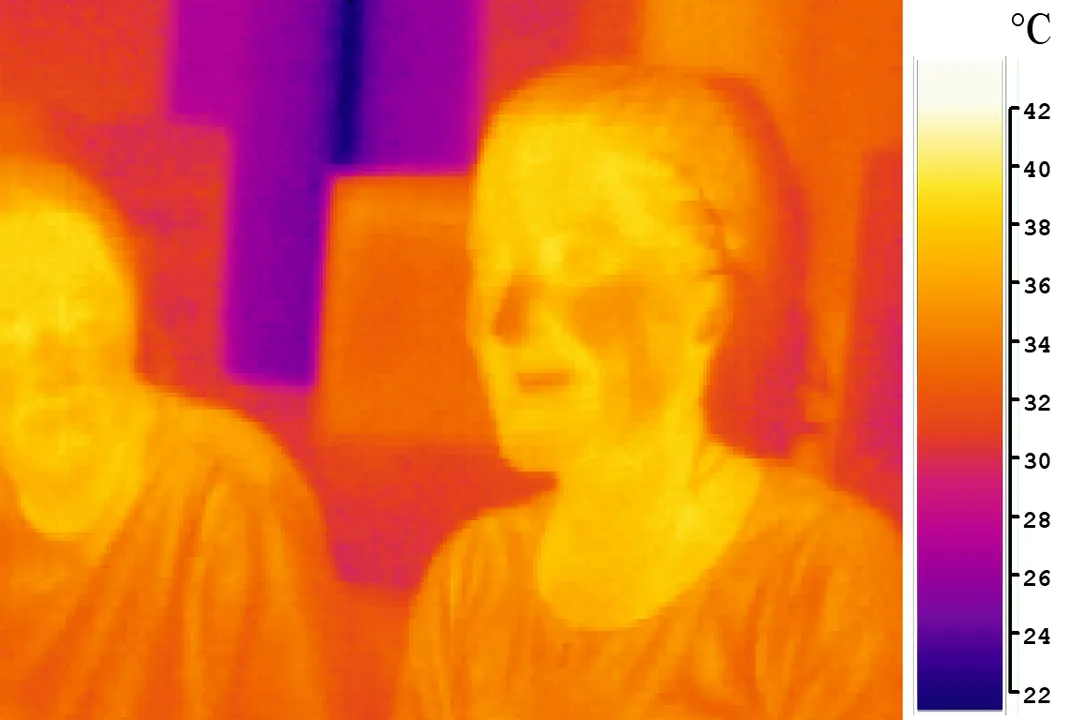
What physical change does Samuel Langley's bolometer measure upon absorbing thermal radiation?
The change in electrical resistance of a small, blackened foil or wire.
The bolometer, invented by Samuel Langley in the nineteenth century, was a technological descendant of Herschel's initial work, focusing on more precise thermal detection, particularly for astronomy. Unlike detectors relying on voltage output from thermal differences or photoelectric effects, the bolometer operates by measuring the direct consequence of heat absorption on a specialized component. When thermal radiation is absorbed by its small, blackened foil or wire element, the resulting increase in temperature causes a measurable alteration in that element's electrical resistance. This resistance change provided scientists with a more sensitive way to quantify radiation intensity.