Who invented freshness sensors?

The quest to definitively answer who first invented the modern freshness sensor is less about finding a single name and more about charting several independent scientific breakthroughs, all spurred by the enormous global problem of food waste. What exists today is not one invention but a collection of condition-monitoring technologies developed across academic labs and specialized startups over the last couple of decades, each tackling spoilage detection through different chemical or physical means. The driving force behind much of this innovation is the recognition that arbitrary "best by" dates often lead consumers to discard perfectly safe food, creating massive economic and environmental inefficiency.
# Academic Genesis
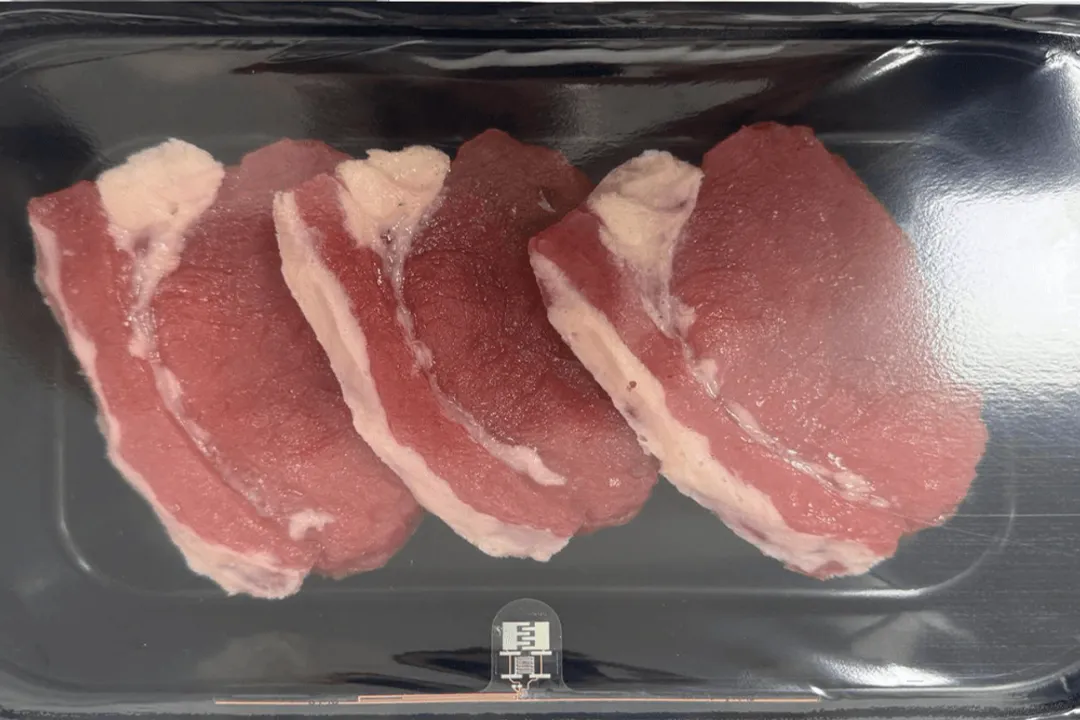
The foundations for modern freshness sensing were clearly laid within university research settings, where scientists sought non-invasive ways to "read" the biochemical state of food items like meat and produce. One significant area of development focused on detecting the Volatile Organic Compounds (VOCs) that are released as food begins to break down. Researchers at the University of Maryland, for instance, developed specialized quantum materials that can effectively "smell" this spoilage. These sensors work by reacting specifically to the gases emitted by decaying food, providing a high-tech alternative to relying solely on smell or time-based labels.
Simultaneously, other institutions focused on visual, color-changing indicators. At the University of Massachusetts Amherst (UMass), researchers engineered a sensor that changes color when bacterial growth is detected on the surface of food. This approach is straightforward for consumers to interpret—a visible shift signals that the microbial load has increased past a safe threshold. A similar, yet distinct, visual approach came from a team at the University of Cambridge, which created an indicator sticker designed to respond directly to the freshness level of perishable items such as meat and fish, also relying on color changes to communicate status.
Even outside these high-profile academic centers, specialized firms contributed practical solutions early on. Tichauer Technical Laboratories, for example, developed a freshness detector aimed specifically at the supply chain, designed to determine the quality of produce reliably from the farm all the way to the consumer's table, suggesting an early focus on logistics visibility.
# Indicator Mechanics
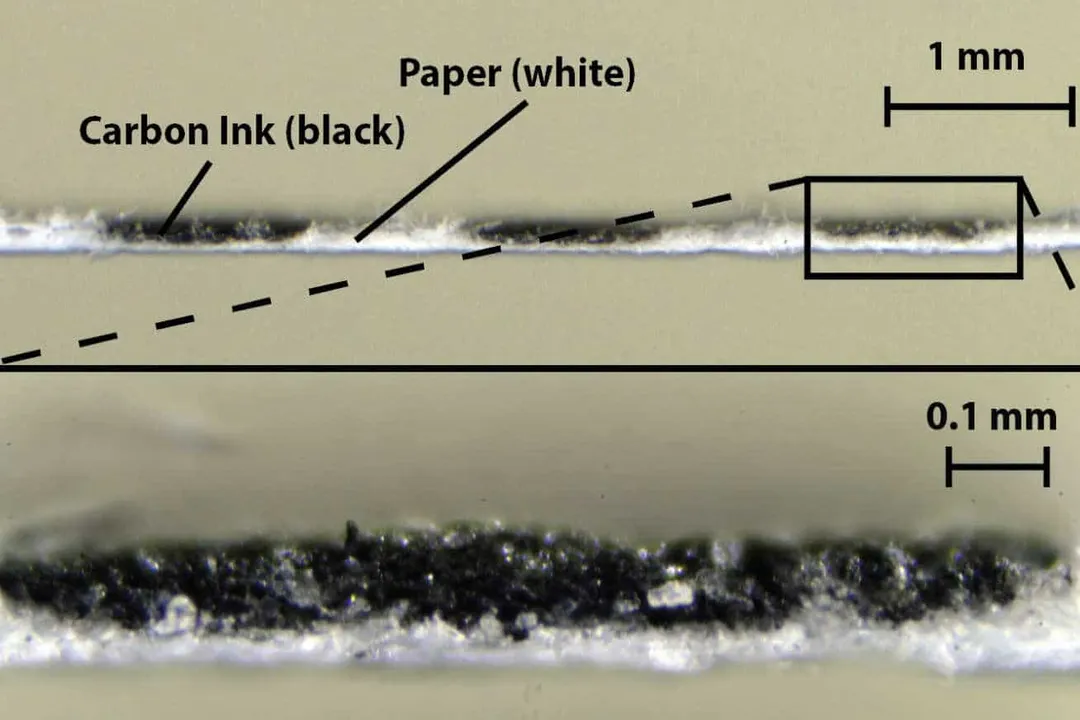
The differing origins highlight the varied approaches to sensor technology. While the UMD sensors use advanced quantum materials to detect subtle chemical emissions, the UMass and Cambridge devices rely on simpler, visually intuitive chemical reactions on a label or packaging component. This difference in mechanism leads to a fascinating divergence in application and accessibility. The quantum material sensors offer high sensitivity and might be incorporated into smart packaging or larger monitoring systems for industrial inspection. Conversely, the simple color-changing sticker is designed for direct consumer interaction at the point of sale or in the home refrigerator.
It is worth noting that these scientific efforts aimed to create data that supersedes the printed label. Food safety experts often point out that a "sell by" date is merely a manufacturer's estimate for peak quality, not a hard line for safety. A sensor that monitors the actual condition—whether through chemical detection or microbial activity—offers true condition-based monitoring, which is inherently superior to time-based tracking.
# Corporate Integration
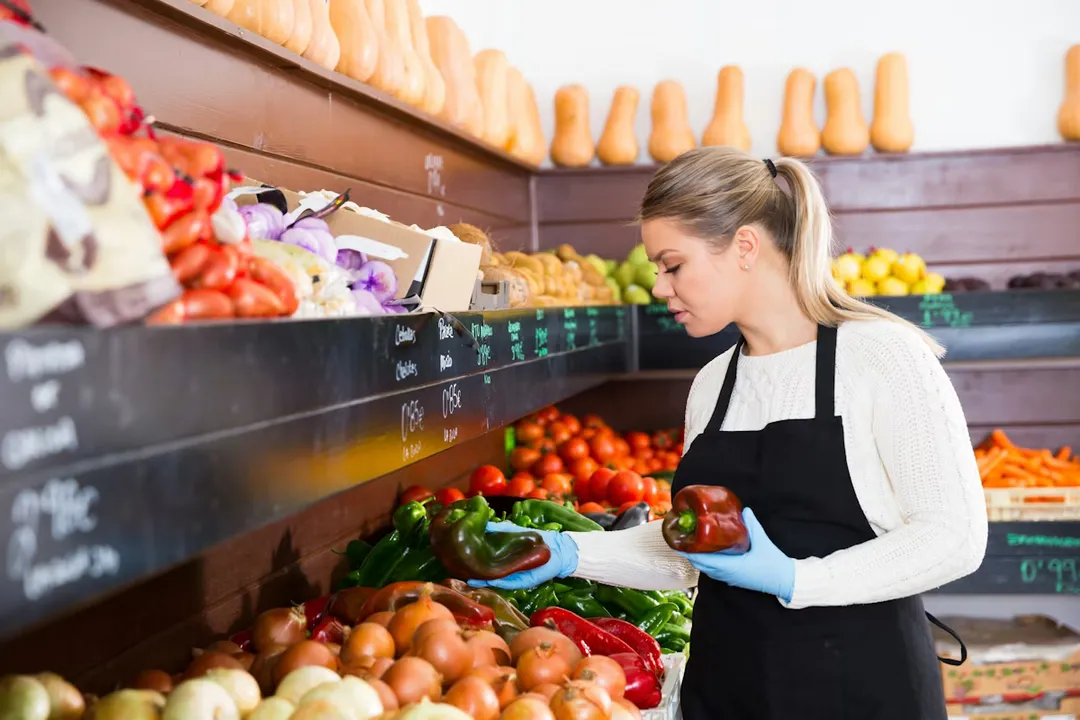
As these technologies matured beyond the lab bench, companies began integrating them into commercial products, often partnering with food waste reduction initiatives. Organizations like ReFED actively promote digitizing date labels to tackle waste, highlighting efforts by innovators like BlakBear, which focuses on creating smart, digitized labels.
In parallel, specialized indicators, sometimes referred to as Fresh Tags, began appearing, often designed to be applied directly to packaging. These systems aim to provide an immediate visual cue, eliminating the guesswork consumers face when interpreting confusing or contradictory date labeling information. While the initial invention might reside in a university lab, the commercialization requires solving complex issues related to cost-effective manufacturing and maintaining sensor integrity within varied food environments, from freezing temperatures to high humidity. A sensor meant for meat packaging, for example, must function reliably when exposed to the specific gases and moisture levels associated with meat spoilage, which differs significantly from what a sensor designed for fresh lettuce might encounter.
# Challenges of Adoption

The core challenge for any inventor in this field isn't just proving the sensor works in a controlled test, but ensuring it works reliably and affordably across millions of units of packaging. For a condition-based indicator to replace the ubiquity of printed dates, the cost-per-unit must be extremely low, and the consumer must implicitly trust the indicator's reading over the date printed on the package. This often requires significant consumer education, a step beyond the initial scientific breakthrough.
When considering the successful rollout of these technologies, one must differentiate between detection and communication. A quantum sensor detecting trace VOCs at a processing plant is a form of detection expertise, valuable for quality control. However, for the average shopper, the sensor must communicate clearly and immediately, which is where the visual sticker, despite its seemingly simpler science, provides a more direct consumer solution. A manufacturer might use the highly sensitive industrial sensors to confirm quality before the product ever leaves the facility, while simultaneously applying a simpler visual tag for the end-user, effectively using two different technologies to cover the entire supply chain.
Furthermore, the sheer variety of food items introduces complexity. A sensor calibrated for the spoilage profile of raw chicken, which degrades quickly due to bacterial load, might not provide useful data for a package of bread, which spoils primarily due to mold or staling. This necessitates developing an entire suite of condition-specific sensors rather than a single universal freshness detector. Thinking about how this translates to a household, imagine a refrigerator equipped with a scanner that reads these indicators; this technology, currently being developed, would move the monitoring from the package itself to the storage environment, offering even greater, perhaps personalized, insights into when your specific food is nearing its end.
Related Questions
#Citations
Could food freshness sensors be the end of 'best by' dates?
Inventions of the Year - UMD Research - University of Maryland
Food freshness sensors could replace 'use-by' dates to cut food waste
GUEST BLOG: A Fresh Approach: How BlakBear is Digitizing Date ...
Invention opens the way to packaging that monitors food freshness
Freshness Detector Determines Produce Freshness from Farm to ...
Food freshness sensors could replace 'use-by' dates to cut food waste
Sensor shows whether meat is fresh, regardless of best before date
Fruit-shaped sensor 'can improve freshness' - BBC News