Did Japan invent vending machines?
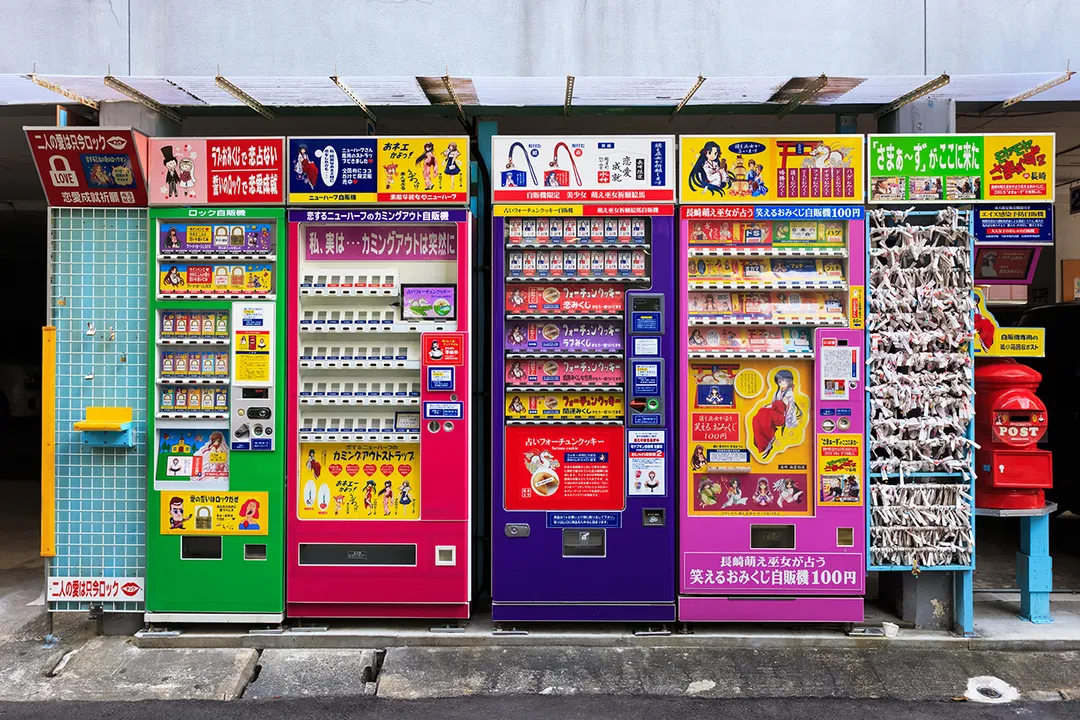
The widespread image of Japan as the world capital of automated retail—a place where you can buy hot coffee, frozen ramen, or even wedding rings from a machine—often leads to the assumption that the nation invented this convenient technology. However, the true origin story is more layered, involving an ancient precursor and an industrial-era catalyst centuries before the Japanese phenomenon truly took hold. The world’s very first vending machine is generally traced back over two millennia to ancient Egypt, where an engineer named Heron of Alexandria developed a coin-operated device designed to dispense holy water into a temple, working on a system based on the weight of the inserted coin.
# Early Concepts
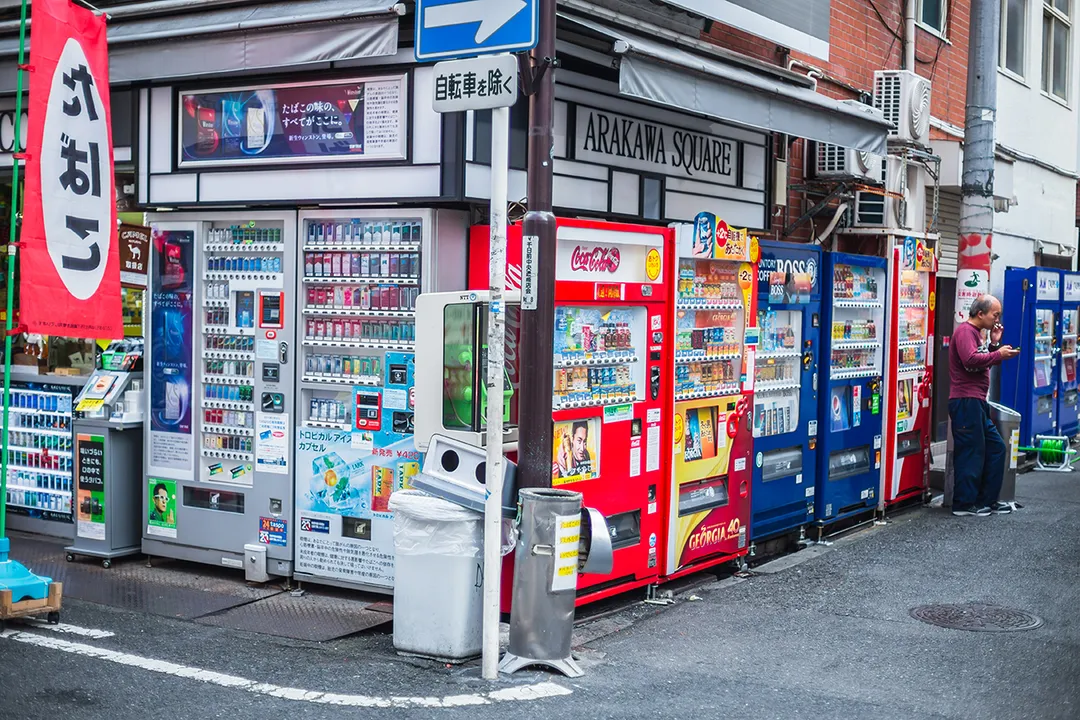
More recognizable coin-operated machines began to appear much later, coinciding with the late 1800s and the Industrial Revolution in Britain. These early machines moved beyond mere religious offerings, becoming practical for dispensing items like beverages, tickets, and tobacco. While the concept migrated across the globe, Japan was remarkably quick to adopt and adapt the idea, filing its own patent for an automatic goods vendor in 1888.
# Japanese Pioneer
The man credited with this significant early innovation in Japan was Takashichi Tawaraya (also cited as Koshichi Tawaraya), a furniture artisan and inventor from Bakan, which is now Shimonoseki in Yamaguchi Prefecture. His first iteration was a wooden machine designed to sell tobacco. Tawaraya did not stop there; he continued developing the technology, creating what remains the oldest surviving vending machine in Japan today: an automatic stamp and postcard dispenser. This ingenious wooden device was crafted using mechanisms inspired by traditional Japanese karakuri dolls, and it was sophisticated enough to provide change and clearly display prices, functioning both as a vendor and a mailbox. Separately, some accounts note that Japan introduced its first sake dispenser in 1890. While Tawaraya’s invention marks a foundational moment for the device in Japan, it is clear the concept predates him globally.

# Market Surge
Vending machines only began to gain widespread popularity across the country later. In the 1920s, machines dispensing confectionery started to appear. The rise of juice vending machines, often fountain-style dispensers, marked a major step forward in the late 1950s and 1960s. The tipping point for mass adoption, however, involved a simple piece of currency. The re-minting of the 100-yen coin in 1967 led to a significant increase in the number of these coins circulating, making casual, frequent use of vending machines much easier for the public. This monetary ease, combined with growing labor needs, set the stage for a true vending machine boom. It was also around this time that ticket machines for public transit became common fixtures.
# Why Proliferation Happened
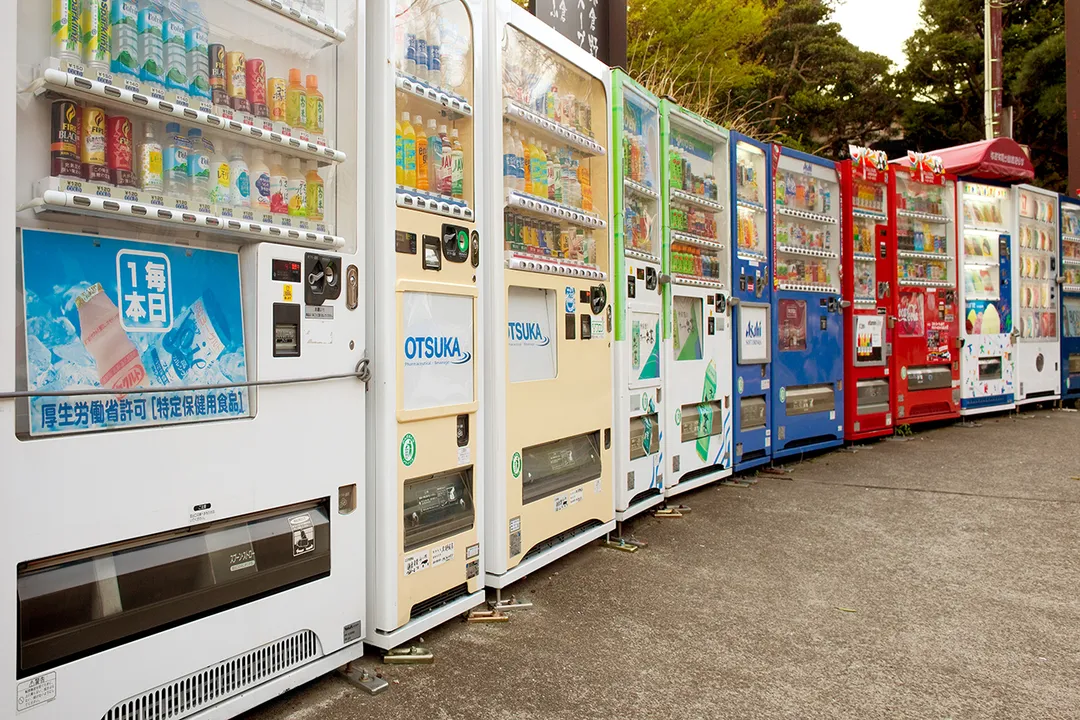
The unparalleled density of vending machines in Japan, often cited as one machine for every 23 to 30 people, is not accidental; it stems from unique societal and economic conditions that favor this retail method over traditional brick-and-mortar stores. One of the most critical supporting factors is Japan's famously low rate of petty crime and vandalism. This security allows operators to place machines outdoors, unattended, on nearly any street corner, even in remote agricultural areas, with confidence that they will remain intact and stocked.
Urban density presents another powerful driver. In cities where real estate is incredibly expensive, placing a vending machine—which requires a tiny footprint and generates profit per square foot—is often a far more viable business decision than renting a physical storefront.
The shifting labor market provided the final push. As the population ages and the birthrate declines, labor has become both scarce and expensive. Vending machines serve as a direct, cost-effective countermeasure, effectively replacing staff for transactions. This aligns neatly with a cultural predisposition toward automation; unlike some other cultures where technology might be viewed with suspicion, Japanese society has historically shown a positive affinity for robots and automated service providers, viewing them as beneficial complements to daily life. This confluence of low risk, high real estate costs, and high labor costs made the Japanese vending machine industry uniquely positioned for success.

# Temperature Technology
A major technological leap that cemented the vending machine’s essential role occurred in 1976, when machines gained the ability to dispense both hot and cold beverages from the same unit. This innovation was initially spurred by the introduction of canned coffee in the 1960s. The ability to switch between icy cold drinks in summer and hot coffee or corn soup in winter meant the machines remained relevant and necessary year-round, dramatically increasing their practicality and usage across the nation. The machines perfectly reflect the Japanese value of omotenashi (hospitality) through this attention to seasonal comfort.
# Modern Variety
Today, the variety of goods available moves far beyond simple drinks and snacks. Modern Japanese vending machines function as specialized micro-stores, offering nearly anything needed for daily life.
# Culinary Offerings
Food vending has seen a major boom, especially following the COVID-19 pandemic, as businesses sought non-contact payment and service options. The offerings are incredibly diverse:
- Hot Meals: Machines can dispense fully cooked meals like curry, stir-fry, or ramen, heated to a regulatory safe temperature (around 60°C) and ready in under a minute.
- Frozen Goods: Specialized freezers allow for the sale of frozen items like ready-to-cook dumplings, yakitori, or ramen from famous shops, which customers take home to prepare. This method also helps restaurants reduce food waste by offering longer shelf-life options.
- Specialty Items: One can find machines selling dashi (soup stock)—an essential Japanese cooking component—canned cakes, premium beef cuts, and even gyoza.
# Beyond Consumables
The scope of what can be purchased automatically is vast. Offerings include electronics (batteries, SIM cards), toiletries, fresh eggs stocked by local farmers, umbrellas for sudden downpours, and even Buddhist figurines or omikuji fortune slips at temples.
# Futuristic Integration
The move toward digitization is transforming the user experience. While many Japanese consumers are still accustomed to using cash, modern machines readily accept IC cards like Suica or Pasmo, alongside mobile wallets. This shift to cashless transactions reduces the risk of physical theft from the machines.
Furthermore, the machines have taken on civic responsibilities that extend far beyond commerce. Since 2005, the industry has worked with police and fire departments to affix address stickers to machines nationwide. In an emergency, this allows a caller to quickly relay their precise location when address plates on poles are hard to spot, turning the machine into an informal but critical navigational aid for emergency services.
In times of crisis, such as earthquakes, many drink vending machines feature a "free vend" function, allowing them to dispense drinks manually even during power outages, providing life-sustaining relief to victims. Some advanced models even incorporate LCD screens for broadcasting emergency updates or Wi-Fi connectivity, or are even equipped with an AED (Automated External Defibrillator).
# The Unmanned Store
The concept has evolved into fully automated retail environments, exemplified by stores like Pippon! in Shinagawa, Tokyo. Pippon! is a select shop entirely composed of vending machines—refrigerated, frozen, and otherwise—offering everything from frozen meats to international dim sum, operating 24 hours a day without any human staff. This setup is a practical realization of how technology can address urban space constraints and labor issues simultaneously. The low barrier to entry for setting up a machine—compared to a full store—encourages vendors to experiment with niche or luxury products, knowing the operational cost of a failure is minimal, thus fueling continuous product diversity.
# Sustainability and Age Control
The sheer number of machines operating 24/7 naturally brought concerns about energy consumption, particularly for cooling and heating beverages. The industry responded by developing energy-saving technologies, such as "zone cooling" and sensor-based lighting adjustments, succeeding in cutting the average annual electricity usage per machine by half between 1990 and 2005. Many newer models also incorporate recycling compartments to encourage proper waste disposal, showing a commitment to a joint effort in sustainability.
For restricted items like tobacco and alcohol, the industry implemented verification systems to prevent underage sales. Tobacco machines largely adopted the "Taspo" IC card verification system by 2008, while alcohol vendors were upgraded to require ID checks, though the lack of comprehensive national legislation means a small number of older machines without these checks may still exist.
Japan did not invent the vending machine, but its history shows a unique commitment to perfecting, diversifying, and integrating the technology into the very fabric of daily life—transforming a simple dispensing box into a reliable, socially integrated, and endlessly inventive piece of national infrastructure.
Related Questions
#Citations
Vending Machines in Japan - Japan Travel Guide & Media"att.JAPAN"
A Japanese Vending Machine, Full of Dreams | TREHA®︎
The World at Your Fingertips: Exploring Japan's Vending Machine ...
Exploring the culture behind Japanese vending machines | Cathay IL
The Fascinating World of Japanese Vending Machines - musubi kiln
The Magic of Vending Machines | Article | JAPAN HOUSE LA
Vending Machines in Japan | KCP International