What general frequency range typically defines sound waves categorized as ultrasonics?
Answer
Those above 20 kHz
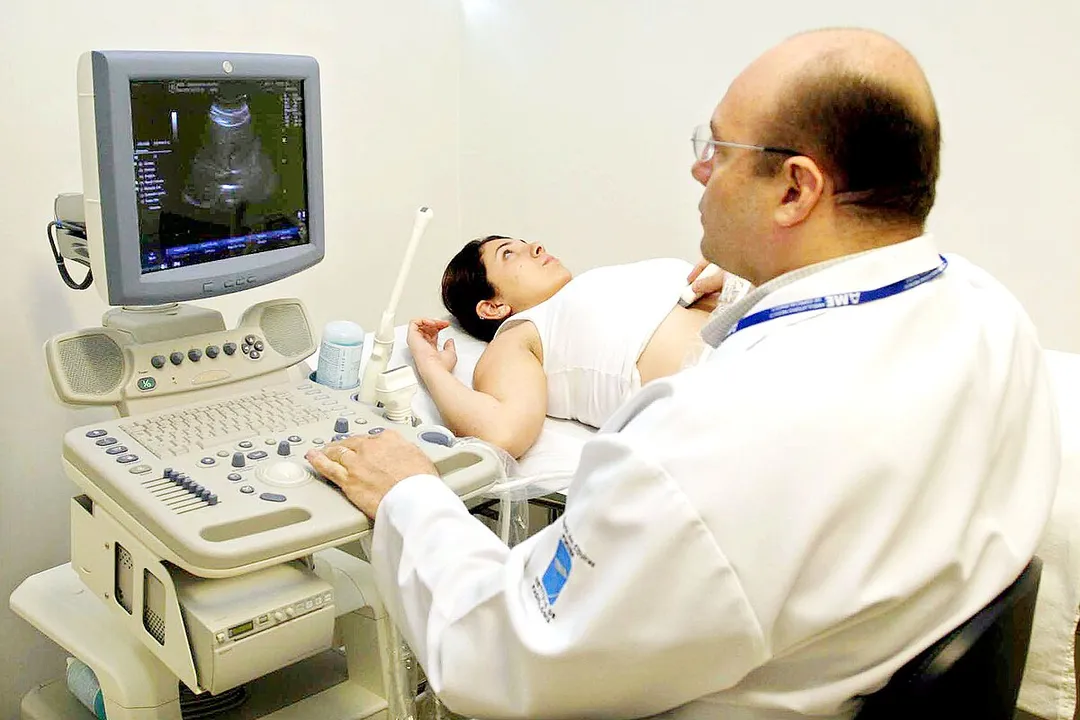
Ultrasonic technology relies on generating and analyzing sound waves that fall outside the spectrum of human hearing. This upper limit is conventionally defined as frequencies exceeding 20 kilohertz (kHz). While specific applications utilize defined bands within this ultrasonic spectrum—for instance, medical imaging often employs frequencies in the megahertz range (MHz), and modern industrial sensors operate between 20 kHz and 500 kHz—the overarching definition of ultrasonics centers on generating sounds above the 20 kHz threshold to facilitate analysis of returning echoes for distance or presence detection.
Related Questions
Who discovered the piezoelectric effect foundational to ultrasonic transducers?What specific military necessity primarily drove the applied development of SONAR during World War I?What general frequency range typically defines sound waves categorized as ultrasonics?What physical dependency poses a significant hurdle for accurate time-of-flight measurement in air?How did the design goal for medical ultrasonic transducers shift compared to Langevin's SONAR apparatus?What material innovation allowed for the creation of more cost-effective and specialized sonic emitters than natural quartz?What is the fundamental operating principle characterizing the modern ultrasonic sensor for non-contact distance measurement?What component is responsible for converting electrical energy into mechanical sound waves and back again?According to the specifications table, what is the primary design goal for a Medical Imaging application?What frequency range is characteristic for Deep Sub-Bottom Profiling sonar applications?What phrase describes the transition making the modern ultrasonic sensor distinct from earlier specialized systems?