What was the fixed operational pressure range for traditional stovetop pressure regulators?
Answer
10 to 15 pounds per square inch (psi) above atmospheric pressure
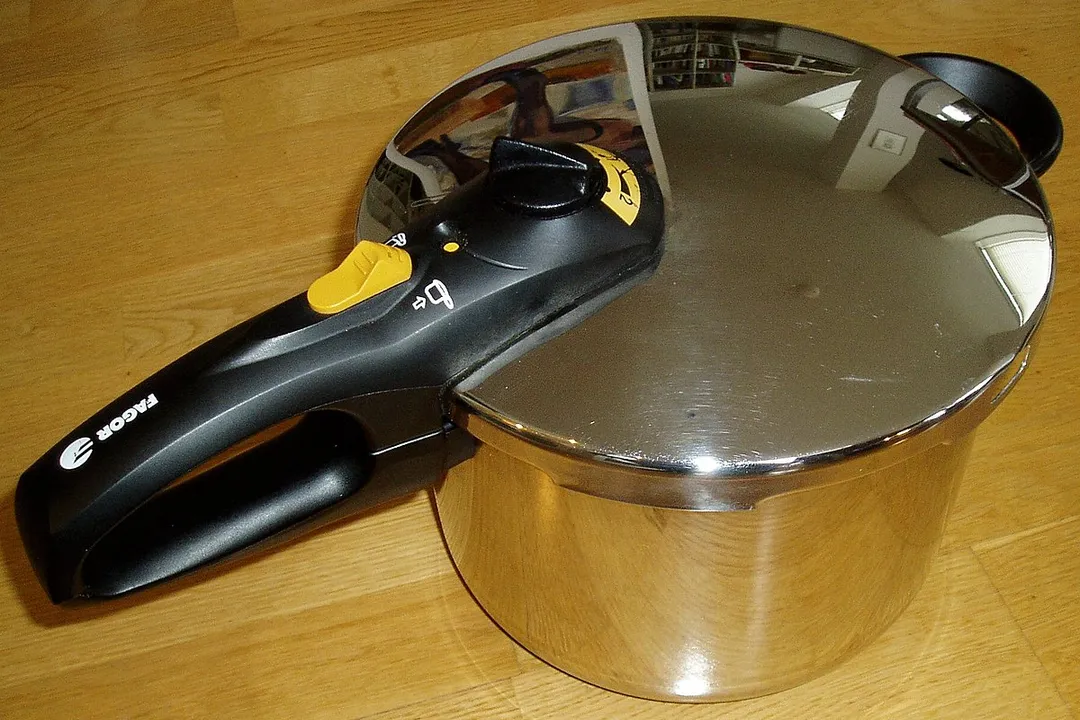
The stovetop evolution of the pressure cooker maintained the fundamental mechanism derived from Papin's design, relying on a mechanical pressure regulator or weight valve. This valve was engineered to vent steam automatically only once the internal pressure surpassed a specific, fixed operational level. This fixed operational standard was consistently set in the range of 10 to 15 pounds per square inch (psi) above the ambient atmospheric pressure. This mechanism acted as an automatic safety release, ensuring the cooking environment remained within these established limits unless the vent itself became obstructed.
Related Questions
What was Denis Papin's primary design goal for the 1679 steam digester?How did Papin's steam digester regulate excessive internal pressure?What was the fixed operational pressure range for traditional stovetop pressure regulators?What technology allowed for continuous, precise monitoring of pressure via an electrical signal?Which individual made crucial contributions to developing practical strain gauge-based pressure sensors?What physical principle underlies the operation of a strain gauge used in pressure sensors?Which modern electric multi-cooker illustrates the integration of the electronic pressure sensor into consumer cookware?In modern electric cookers, what component manages the system by constantly reading data from the internal pressure sensor?How does the safety management in modern electric cookers differ from stovetop models based on mechanical limits?What are the two primary roles served by the modern pressure sensor in consumer cookware?