How did Papin's steam digester regulate excessive internal pressure?
Answer
A weighted valve that would lift slightly to vent excess steam
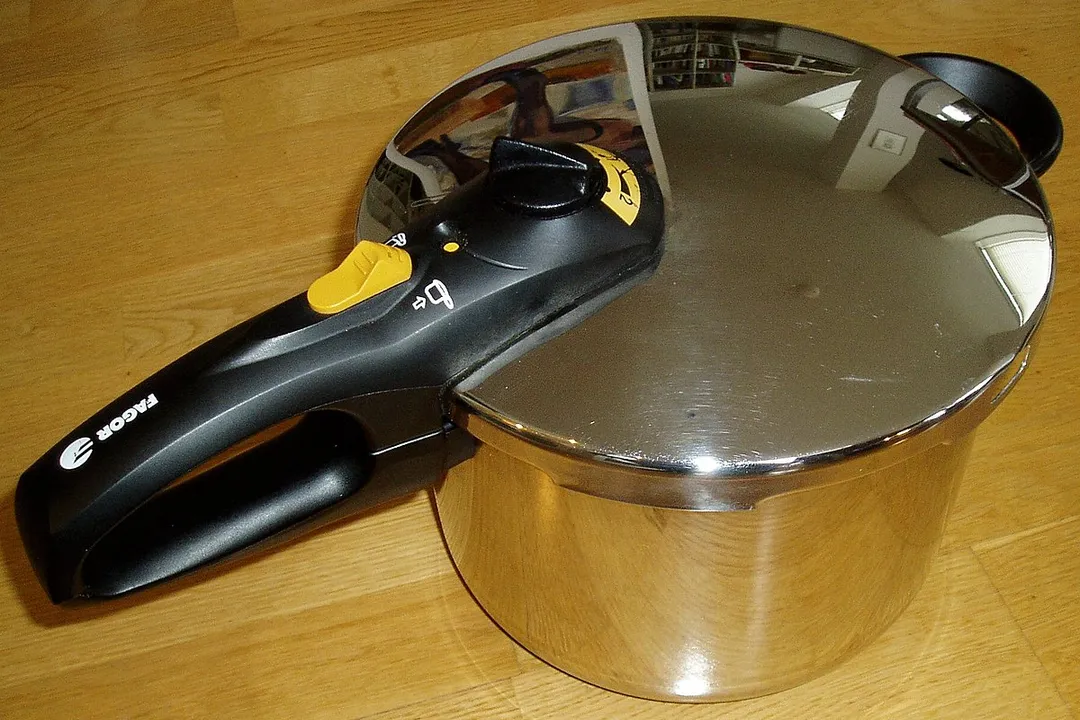
The crucial innovation Papin introduced for safety and functionality was a mechanical method for controlling the intense pressure built inside the sealed vessel. His solution utilized a weighted valve, which functioned as a rudimentary pressure regulator. When the internal steam force reached a specific, predetermined threshold, this force would overcome the balancing weight, causing the valve to lift slightly. This action allowed pressurized steam to escape, thereby preventing the pressure from increasing further and mitigating the risk of catastrophic failure within the apparatus.
Related Questions
What was Denis Papin's primary design goal for the 1679 steam digester?How did Papin's steam digester regulate excessive internal pressure?What was the fixed operational pressure range for traditional stovetop pressure regulators?What technology allowed for continuous, precise monitoring of pressure via an electrical signal?Which individual made crucial contributions to developing practical strain gauge-based pressure sensors?What physical principle underlies the operation of a strain gauge used in pressure sensors?Which modern electric multi-cooker illustrates the integration of the electronic pressure sensor into consumer cookware?In modern electric cookers, what component manages the system by constantly reading data from the internal pressure sensor?How does the safety management in modern electric cookers differ from stovetop models based on mechanical limits?What are the two primary roles served by the modern pressure sensor in consumer cookware?