Who invented pressure sensors in cookware?
The history of cooking under pressure stretches back centuries, long before modern electronics automated the kitchen. The fundamental principle relies on trapping steam to raise the boiling point of water, allowing food to cook faster and retain more nutrients. The initial breakthrough involved finding a way to manage the intense pressure generated inside a sealed vessel, a challenge that preoccupied inventors for a considerable time before true sensors as we understand them today became relevant.
# Papin's Device
The concept of using steam pressure for cooking is often credited to Denis Papin in 1679. Papin, a French physicist, developed a device he called the "steam digester". This apparatus was designed not necessarily for culinary efficiency but to extract gelatin from bones using pressurized steam. His design was revolutionary because it introduced a mechanism to control the pressure, a necessary step to prevent catastrophic failure.
Papin’s solution for pressure regulation was decidedly mechanical: a weighted valve that would lift slightly to vent excess steam when the internal pressure reached a predetermined level. This early setup acted as a rudimentary form of pressure regulation. It was based purely on a known physical weight balancing against the internal force, not on measuring and reporting a variable reading. This foundation, established in the late seventeenth century, set the stage for all future pressure vessels, whether used for cooking, industrial processing, or modern sensing applications.
# Stovetop Evolution
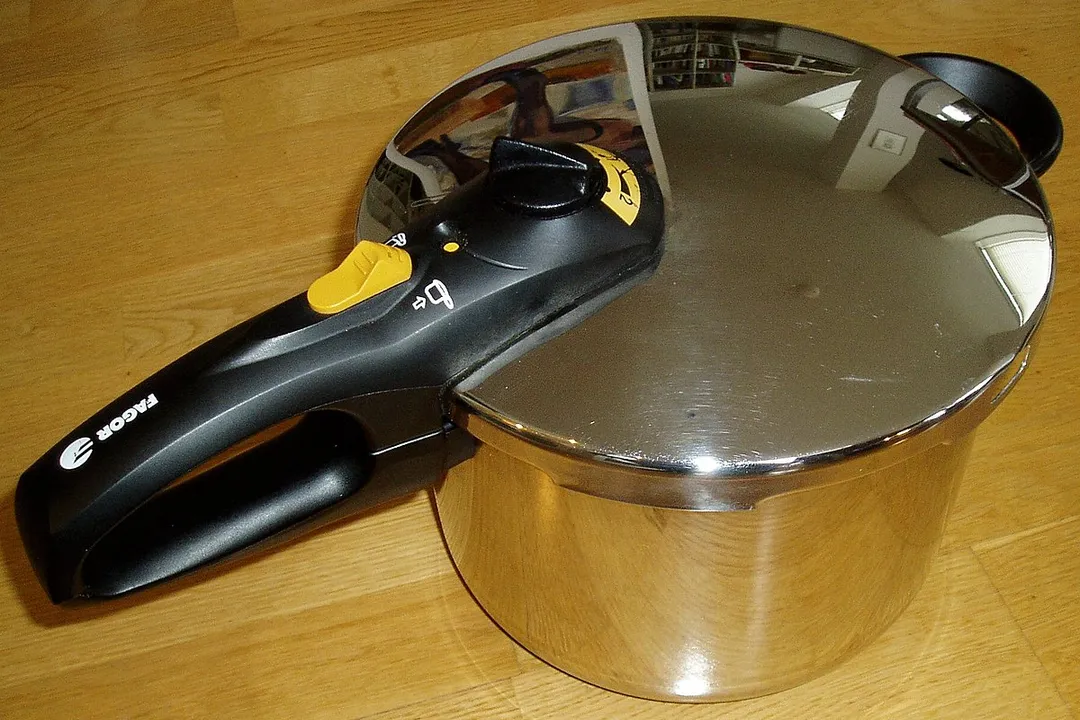
While Papin’s digester proved the concept, it took many years for the technology to transition into a common kitchen appliance. The evolution involved refining the materials and the sealing mechanisms to make the device durable and safe for regular household use. Early pressure cookers were often constructed from materials like cast iron. Over time, manufacturers moved toward stainless steel, recognizing its durability and resistance to corrosion, which became a significant factor in the marketability of these appliances.
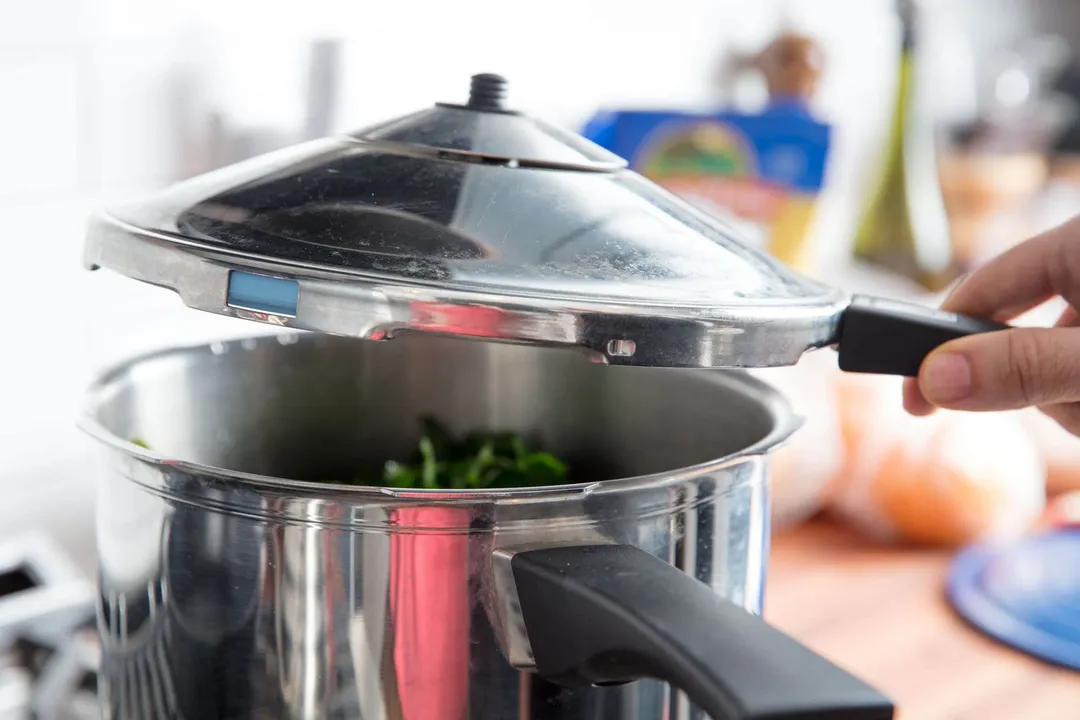
The key functional component on these stovetop models remained essentially the same as Papin's concept: a pressure regulator or weight valve designed to vent steam at a fixed operational pressure, typically between 10 to 15 pounds per square inch (psi) above atmospheric pressure. This was an automatic safety release mechanism, but critically, it lacked the ability to electronically measure and report the exact internal pressure; it was an on/off system based on weight. If the vent was blocked, or if the user needed precise temperature control, the mechanical weight was the only governor.
# Sensor Development
The need for accurate, real-time pressure measurement arose independently in industrial, medical, and scientific fields, leading to the development of the modern pressure sensor. These devices moved far beyond simple weighted valves by employing different physical principles to convert pressure into an electrical signal.
One significant area of advancement involved the strain gauge, a device whose electrical resistance changes when subjected to mechanical strain. In the mid-twentieth century, figures like Dr. Frank F. Hall made crucial contributions to developing practical strain gauge-based pressure sensors. These sensors allowed for continuous, precise monitoring of pressure, which was essential for sophisticated machinery and instrumentation, a capability that stovetop cookers simply did not require at the time. Other sensor types, like capacitive and piezoresistive sensors, also emerged, offering different advantages in sensitivity and application suitability, often replacing older mercury manometers in various industries.
It is this branch of technology—the electronic sensor—that had to mature before it could be meaningfully integrated into home cookware for automated control. The gap between the fixed-weight regulator on a standard pressure cooker and a true electronic pressure sensor is significant; one is a passive mechanical safety feature, while the other is an active electronic measuring tool.
# Appliance Integration
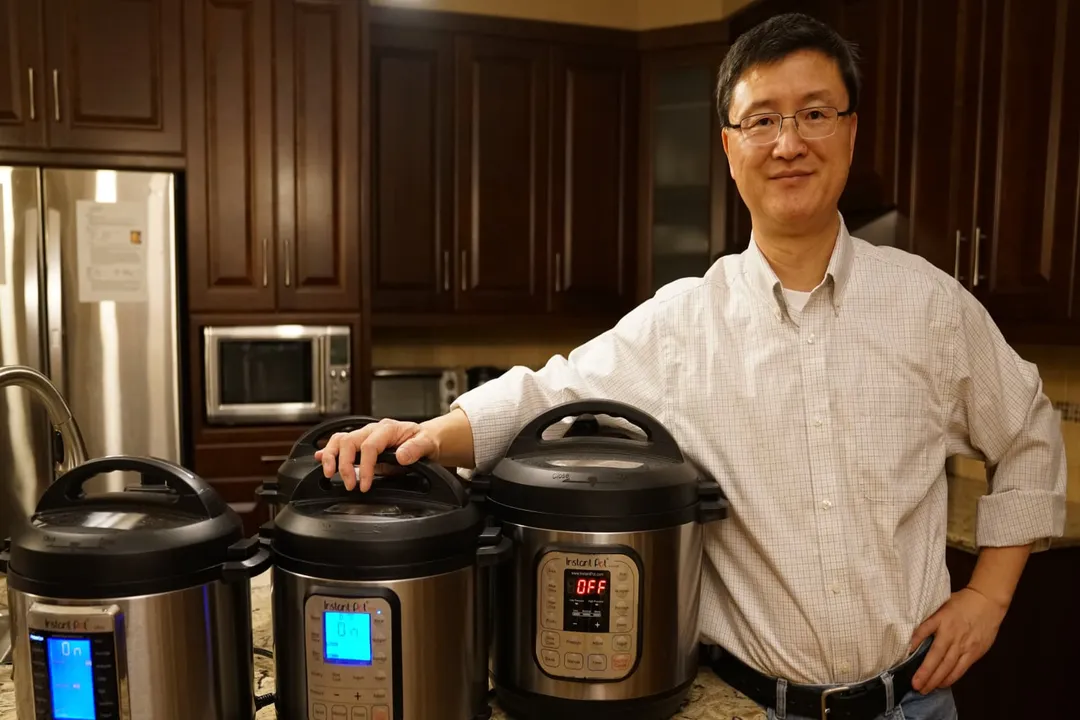
The transition point where the electronic pressure sensor met the pressure cooker is best illustrated by the rise of modern electric multi-cookers, like the Instant Pot, which gained massive popularity in recent years. While the historical sources do not name the specific engineer who first placed an electronic pressure sensor inside a consumer-grade electric cooker, the functionality of these modern appliances depends entirely on it.
In these electric models, the system is managed by a control board that constantly reads data from an internal pressure sensor. This sensor provides the necessary input to determine when to stop heating, when to vent steam, and how to maintain a specific pressure setting, rather than relying solely on a fixed mechanical valve. The Instant Pot’s success is partly due to this electronic precision, which makes the device safer and more predictable than its stovetop predecessors. This represents a true marriage of Papin's original high-pressure concept with mid-century electronic sensing technology.

# Mechanical Versus Electronic Safety
Observing the timeline reveals a distinct philosophical difference in safety management between early and modern pressure cooking devices. Early stovetop models depended on inherent mechanical limits—the weight of the valve set the maximum pressure, and any deviation required manual intervention or failed catastrophically if the mechanism jammed. The user experienced the pressure indirectly by the hiss or sputter of the escaping steam.
Modern electric cookers, utilizing the electronic sensors developed decades after Papin, shift this control to a software-managed electronic system. The sensor provides continuous feedback, allowing the appliance to regulate heat input precisely. This means that instead of a single point of mechanical failure determining safety (the weight valve), safety is managed by software interpreting data from a highly sensitive electronic component. Thinking about this evolution, it becomes clear that while Papin solved the initial problem of containment, Dr. Hall’s conceptual successors solved the problem of precise characterization of that containment, which is what enabled automation in the kitchen.
# Reading the Pressure
For anyone cooking with modern electric pressure vessels, understanding what the electronic display means relative to the older mechanical standards can be very useful. A stovetop cooker is typically calibrated to hold a single pressure—say, 15 psi—and that’s the only pressure level you effectively have access to.
With an electronic sensor and controller, however, you gain flexibility. An electronic multi-cooker might offer a "High" setting that corresponds to 12 psi (a common setting for many modern electric cookers) and a "Low" setting that might only generate 7 psi. This difference in pressure alters the cooking temperature substantially, meaning the sensor isn't just a safety feature; it’s a program setting that dictates the cooking environment. This adaptability, driven entirely by the sensor's ability to relay exact readings to the processor, is a significant functional advance over the fixed-weight systems of the past. It allows for cooking delicate foods like custards at lower pressures while still achieving the speed benefits for tougher cuts of meat at higher settings.
# Materials and Longevity
The longevity of pressure cooking technology also highlights the material science behind the vessels themselves. Stainless steel pots, for example, are favored because they handle high heat and repeated pressure cycling well, offering a long service life compared to older, less durable materials. This material choice is critical because even the most advanced electronic sensor is useless if the vessel containing the pressure warps, leaks, or fails under stress. Therefore, the successful integration of electronic sensing required parallel advancements in metallurgy to ensure the physical housing could reliably contain the environment the sensor was monitoring.
# Sensor Application
The modern pressure sensor in cookware serves dual roles that were entirely separate in earlier devices: safety monitoring and process control. The electronic system monitors the pressure constantly. If it reads too high for too long, it triggers a safety shutdown, far more dynamically than a fixed valve could. Simultaneously, it manages the heating element to maintain the programmed pressure level, an action impossible without continuous, accurate feedback from the sensor. This tight coupling between sensing and control separates the modern electric appliance from both its mechanical ancestors and even early industrial pressure monitors that might only have logged data without actively controlling the source of the pressure. The invention of the pressure sensor itself allowed this level of intelligent appliance interaction to finally reach the home kitchen.
Related Questions
#Citations
How Instant Pot became a kitchen appliance with a cult following
Pressure cooker - Wikipedia
How Pressure Cookers Actually Work - Serious Eats
The Stainless Steel Pressure Cookers Evolution and How Linkton ...
History - Discover Pressure Cooking
Pressure cooker with sensor - US5048400A - Google Patents
The History of Pressure Cookers - Stahl Kitchens
The Accidental Birth of the Pressure Cooker: Denis Papin's 1679 ...
Who Discovered the Pressure Sensor? - EastInstru
The history of pressure sensors and measurement - Sensorland