What inventions do we need in the world?
The yearning for the next truly transformative invention is a constant in human history, yet the modern age presents a unique paradox: we are inundated with technology, but critical needs remain unmet, often buried under layers of poor user experience or systemic barriers. We aren't just waiting for flying cars—though a desire for personal electric flyers exists—we are waiting for fundamental improvements in how we manage our health, our resources, and our digital interactions. [2][7]
Many of the most passionately desired inventions concern the eradication of petty, daily annoyances. Consider the laundry cycle; beyond just a combination washer/dryer that is as effective as two separate units, a folding machine is often cited—one where clean clothes emerge pressed and neatly stacked. [6] On the road, engineers lament the lack of a truly low-cost, no-frills electric pickup truck, suggesting that current offerings are often too luxurious or expensive for everyday utility. [1] Even simple items are ripe for reinvention. The microwave oven, a staple, is frequently criticized for its incessant, loud beeping upon button press or cycle completion, prompting requests for a simple mute button, particularly for use in quiet environments like hotels. [1] And on a smaller scale, the eternal tangle of headphone cords continues to frustrate users who constantly fold and unfold them, indicating a clear market for a system that neatly stores and deploys personal audio gear. [6]
# Health Diagnostics
The intersection of everyday life and critical well-being presents perhaps the most fertile ground for necessary breakthroughs. If future technology is to truly change our world, it must start at the cellular level. There is a broad consensus on the need for personalized, instant medical insight. People long for a Portable Health Diagnostics Device that could offer immediate, reliable data when a person feels unwell. [2] This desire is already moving toward reality with concepts like digital twins in medicine, which use real-time health data from wearables to create simulations that can predict the long-term effects of treatments or lifestyle changes, essentially allowing a doctor to consult your virtual future self. [4][5]
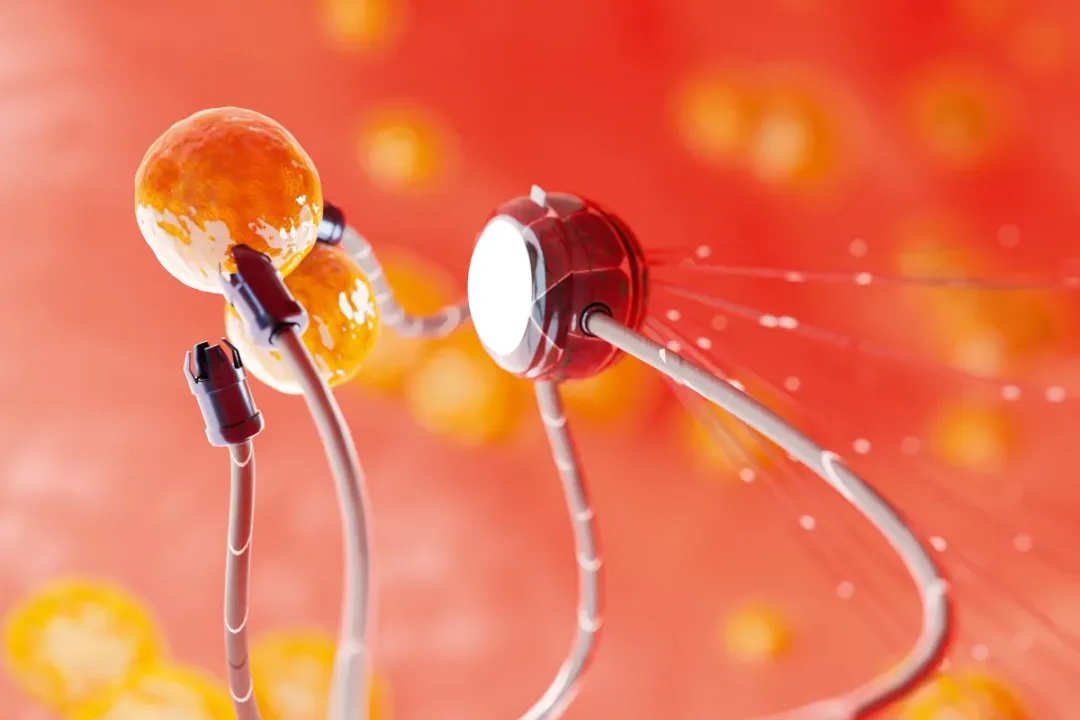
Furthermore, precision in drug delivery is seen as a significant missing piece. Current conventional medicine can be inefficient, which is why nanotechnology—deploying nano-medics—is so highly anticipated. These microscopic systems could deliver medication directly to a target area, such as getting drugs past the blood-brain barrier to treat conditions like Alzheimer’s, thereby reducing systemic damage. [4][5] On a foundational level, achieving a 100% reliable contraceptive with zero side effects, available cheaply for all genders, remains an essential, unfulfilled humanitarian invention. [2][6] The push for perfect health also extends to preventive care: if we cannot yet build a scanner to instantly tell a parent exactly why a baby is crying, the next best thing might be a dedicated AI companion or diagnostic app capable of assessing subtle health shifts before they become critical issues. [2][7]
# Energy and Earth Systems
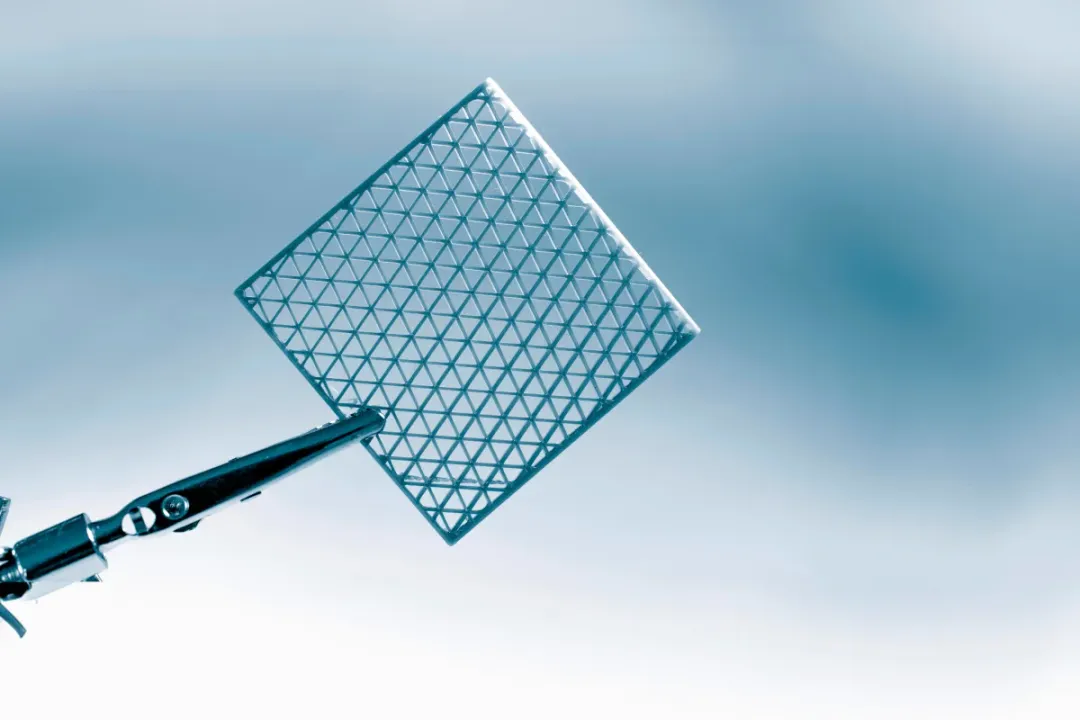
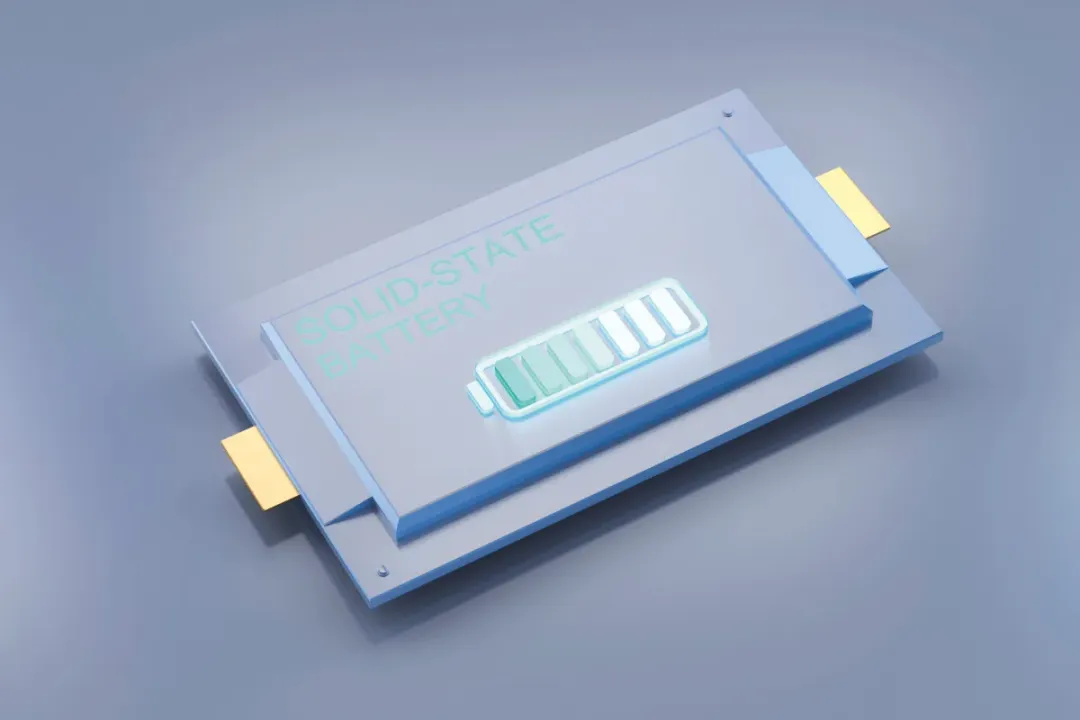
Addressing the planet’s health is not just a theoretical pursuit; it is driving some of the most complex engineering dreams. The consensus from futurists points toward solving fundamental energy and material problems. The barrier for widespread vehicle electrification is undeniably battery technology, highlighting the need for a replacement for current lithium-ion limitations in terms of charge time and durability. [4] The anticipated solutions involve silicon anodes for higher density, or potentially supercapacitors that can charge in seconds and survive half a million cycles, a massive leap over current battery lifespans. [4][5]
On the energy generation front, harnessing stellar power directly from orbit—Space Solar Power—is being developed to beam down sustainable energy via microwaves, moving past the partial sunlight Earth's surface receives. [4][5] This ambitious goal runs parallel to the decades-long pursuit of controlled nuclear fusion, which promises energy production with far less radioactive waste and no meltdown risk compared to fission reactors. [4][5]
Beyond energy production, our immediate environment demands attention. The idea of a Waste-to-Energy Converter for Homes speaks to the desire to manage personal refuse more cleanly. [2] On a larger scale, the engineering community is looking skyward to solve the problem of Orbital clean up—active removal of fast-moving space debris that threatens current and future missions. [5] This reflects the growing understanding that even space exploration, which has already given us technologies like improved insulation and lightweight materials, must mature to include custodial duties. The need for sustainable materials also surfaces in construction, with anticipation for self-repairing concrete inspired by biological processes. [4][5]
# Interfacing and Information
Where we once needed solutions for physical labor, we now need solutions for cognitive overload and poor digital translation. A truly universal Language Translator is a persistent wish, eliminating the friction caused by language barriers in commerce and travel. [2] In the realm of personal communication, the current Bluetooth setup is often cited as fundamentally broken. A single user, such as a motorcyclist managing navigation, phone calls, and helmet communication, struggles with proprietary and limited Bluetooth pairings, leading to a chaotic experience. [1] What is needed is a standardized Bluetooth UI protocol or a simple, high-performance audio hub that allows one headset to connect reliably to several devices simultaneously, correctly prioritizing audio sources. [1]
The way we interact with computers also feels antiquated. Many wish for the kind of free-floating, hand-gestured interfaces seen in science fiction, moving past the clunky 650-gram headsets currently available for spatial computing. [4] Even for the home, the proliferation of smart devices has created silos. People desire publicly available, server-side code for smart appliances, ensuring that a $2,000 refrigerator can function for a decade without proprietary software abandonment—a desire that points toward a needed invention in software longevity and open architecture. [1] This leads to an inherent tension: while many ideas require a singular, brilliant implementation, the long-term success of modern tech hinges on interoperability and user control over the underlying code, not just the physical gadget itself. The true breakthrough may lie in creating a universally accepted API standard for home devices, effectively acting as the 'lingua franca' for the Internet of Things, allowing different brands to communicate as effortlessly as Bluetooth should. [1]
# Systemic and Routine Improvements
Beyond flashy technology, significant needs lie in fixing broken systems and automating deeply manual, repetitive tasks. In the realm of personal conduct, the desire for a better way to maintain oral hygiene is surprisingly strong. We have automated floor cleaning and dishwashing, yet the multi-minute, manual process of brushing teeth remains largely unchanged, leading to inconsistency in care. [6] Inventions like an automatic flosser or a cleaning-agent chewing gum are desired replacements for this tedious routine. [6] Similarly, the idea of a fully automated laundry system that includes pairing socks and folding garments is a clear signal that the 'utility' end of household chores is still too taxing. [6]
On a broader, societal scale, frustration centers on governance. Several voices express the need for a political system without corporate influence, where term limits are standard and the focus shifts from party loyalty back to the constituents. [6] This is less a gadget and more a necessary structural invention for a functional democracy. Furthermore, in the field of engineering itself, there is a clear call for better software tools—specifically, systems to manage Failure Modes and Effects Analysis (FMEA) and Fault Tree Analysis (FTA) that are functional and intuitive, rather than overly complex or poorly designed. [1] It is ironic that an industry focused on solving complex problems still suffers from low-quality internal software for vital safety processes. The invention here is not a new algorithm, but rather a design philosophy applied to engineering support tools, prioritizing usability for the sake of safety and efficiency over sheer feature density.

# Bridging the Gap: From Concept to Reality
The sheer volume of ideas suggests that the primary barrier is not a lack of creativity, but rather the difficulty in realizing these concepts—the journey from the mind to the marketplace. [7] While sources confirm that ideas are cheap and implementation is everything, the process of turning a concept into a viable product is costly and fraught with risk. [1] This reality underscores a need for better, more accessible invention infrastructure. We need streamlined methods for prototyping, market validation, and IP protection that do not require massive upfront capital, perhaps through widely accessible, public fabrication labs supported by decentralized funding models like successful crowdfunding campaigns. [7]
Ultimately, the inventions the world truly needs are those that solve problems we have normalized: the annoyance of having to charge a device every day (leading to speculation on nuclear batteries or improved charging tech), [1][2] the frustration of digital systems that don't talk to each other, [1] and the environmental toll of our consumption habits. [7] While we anticipate grand shifts like fusion power and material science breakthroughs, [4][5] the day-to-day quality of life improves most dramatically when the small, irritating problems—like tangled headphones or loud microwaves—are solved by an invention that feels both obvious and indispensable. [6] The next great invention will likely be the one that solves a massive, global problem with the same elegant simplicity that solves a daily domestic chore.
# Future Scale Solutions
Looking toward the mid-century, the focus expands to technologies previously relegated to science fiction, many of which are now appearing on emerging invention lists. [5] These solutions tackle humanity's largest systemic hurdles:
- Metamaterials: Creating materials that can bend light, leading to functional invisibility cloaks for small items, and dramatically improving the safety of protective gear. [4][5]
- Advanced AI: The quantum computing revolution promises to transform Artificial Intelligence, allowing for complex calculations and, crucially, making AI decision-making more explainable and therefore more trustworthy in sensitive fields like finance and healthcare. [4][5]
- Personalized Biology: Moving beyond conventional drug design toward routine CRISPR gene editing to treat inherited disorders, making medicine highly tailored and preventive. [4][5]
These large-scale needs echo the kind of technological leaps previously fostered by ambitious government projects, like the space program, which ironically gifted us many technologies we now take for granted, such as advanced solar cells and water filtration. The next required inventions will similarly require long-term commitment, often driven by existential concerns like climate change, as evidenced by research into reducing agricultural methane emissions or developing truly fossil-fuel-free flight options. [5]
The collective desire for inventions reveals a world hungry not just for novelty, but for reduction: reduction of waste, reduction of cognitive load, reduction of physical strain, and reduction of systemic inequity. The most valuable innovations of tomorrow will be those that most effectively simplify the complex reality of modern life, making the impossible mundane and the tedious obsolete. [2][7]
#Videos
21 Inventions that will Save the World. - YouTube
Related Questions
#Citations
What's a realistic invention you wish someone would bring to market?
Inventions that we're still waiting for - inLIFE
10 ingenious inventions about to change our world forever
The Best Inventions of 2025 - Time Magazine
What's an Invention the World Needs to Have? - Wait But Why
What Are Some New Invention Ideas for Inventing - MarketBlast
21 Inventions that will Save the World. - YouTube
20 Inventions We Wouldn't Have Without Space Travel