Who invented smart packaging sensors?
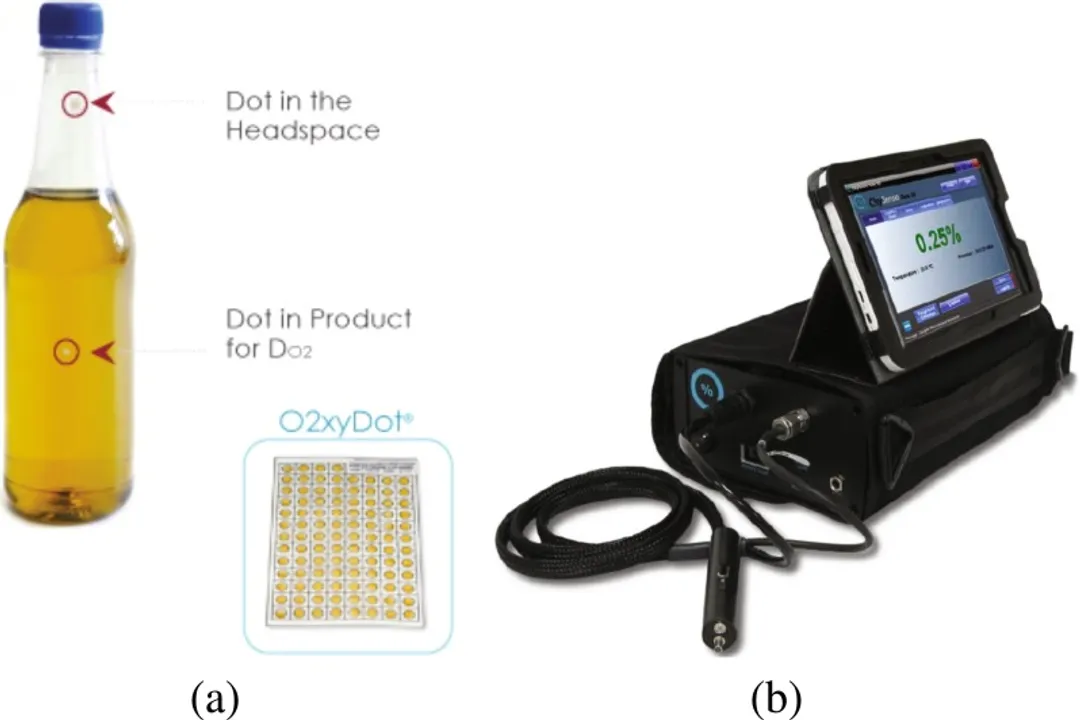
Tracing the genesis of smart packaging sensors is less about finding a single "Eureka!" moment attributed to one person and more about chronicling a convergence of chemical engineering, materials science, and digital technology over several decades. The concept of packaging that communicates its status—whether related to its contents or its environment—evolved from early rudimentary indicators to the complex, real-time monitoring systems we see today. [3][5] While historical roots might trace back to simple time-temperature indicators (TTIs) used decades ago, the modern smart sensor, capable of highly specific and responsive readings, represents a cumulative effort across academia and industry. [3]
# Monitoring Evolution
The drive for intelligent packaging stems from the need to ensure product quality, safety, and regulatory compliance throughout the supply chain. [1][5] Initially, efforts focused on passive methods to record past conditions. For instance, indicators that change color permanently after exposure to excessive heat serve as a basic form of condition monitoring. [5] However, these early tools lacked the active feedback required for true "smart" status.
The shift to truly smart packaging required integrating sensing elements directly onto or into the packaging material itself, allowing it to measure variables like temperature, humidity, light exposure, or the presence of spoilage gases. [3][9] Academic work laid much of the theoretical groundwork, with ongoing research detailing various sensor modalities, including chemical, physical, and biological detection methods. [3][4] For example, research into biosensors has provided pathways for detecting microbial activity or specific contaminants through optical, electrochemical, or colorimetric responses. [4] These academic explorations, published in journals like ACS Sensors, detail the what—the chemical reactions that can form a sensor—but not necessarily the who that successfully commercialized it at scale. [6]
# Modern Innovators

When discussing who is currently driving the field forward, the focus shifts from broad academic theory to specific companies and projects that have successfully translated laboratory science into tangible, scalable products. One notable example involves the fight against food waste, where precise spoilage detection is paramount. [2]
Companies like Senoptica Technologies stand out as modern developers of this technology. [2] They have focused specifically on creating sensors that detect gases released by decaying food, which is a direct indicator of spoilage. [2][7] Their approach centers on time-temperature indicators (TTIs) that evolve beyond simple temperature logging. Senoptica’s sensors use chemical components that react to gases produced by microbial spoilage, causing a visible color change on the package. [2] This is an evolution from traditional TTIs which might only track cumulative time above a certain temperature threshold; Senoptica’s sensors are designed to react to the actual condition of the food inside. [2]
This focus on in-package chemical sensing, often utilizing colorimetric detection, is a common thread in current innovation. [7] Other collaborative efforts, such as the CheckPack project, aim to make food packaging intelligent by embedding sensors that monitor critical conditions like gas levels. [10] These projects involve multiple partners, illustrating that modern sensor invention is often an industrial consortium effort rather than a solitary pursuit. [10]
It is important to contrast these chemical/gas-sensing innovations with the older, often electronic, methods of monitoring. While technologies like Radio-Frequency Identification (RFID) tags have been around to track location and sometimes transmit basic temperature data, they often require external readers or dedicated power sources. [1] The true advancement in smart packaging sensors, particularly for low-cost, high-volume goods, lies in creating passive, label-like sensors that provide an immediate, unambiguous visual output, thereby democratizing the data without requiring complex IT infrastructure for every unit. [2]
# Material Science Hurdles
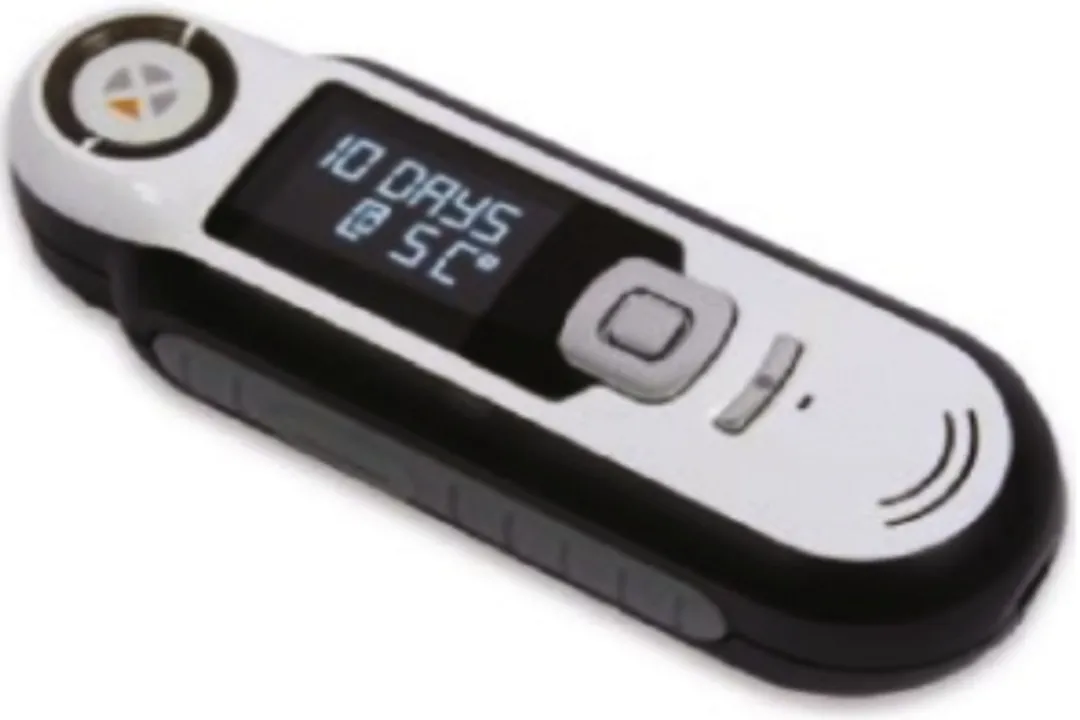
The true difficulty in naming a single inventor lies in the engineering requirement: the sensor must work reliably while being integrated into a packaging substrate. [8] This is a significant barrier. A sensor developed in a sterile lab environment using specialized equipment may perform perfectly, but integrating that chemistry onto a flexible film, a cardboard box, or a plastic container while maintaining shelf life and remaining cost-effective is a separate, massive invention in itself. [8]
Consider the fundamental difference between a research-grade electrochemical sensor and a consumer-facing color-changing label. The latter requires mastery over ink formulation, substrate adhesion, and shelf stability—often demanding chemistry that changes its response profile significantly when adapted from a flat lab chip to a three-dimensional, slightly porous food wrapper. [4]
One subtle analytical point here is the "shelf-life paradox" of the sensor itself. The materials used to detect spoilage must remain inert and stable for months or years on the shelf, yet be exquisitely sensitive to trace amounts of spoilage gases once the product is ready for consumption or if an incident occurs during transit. [3] Overcoming this conflict often involves complex microencapsulation or precise tuning of reaction kinetics, achievements credited to the teams who solve these specific material science puzzles, such as those working on novel sensing mechanisms. [6]
# Sensor Types Comparison
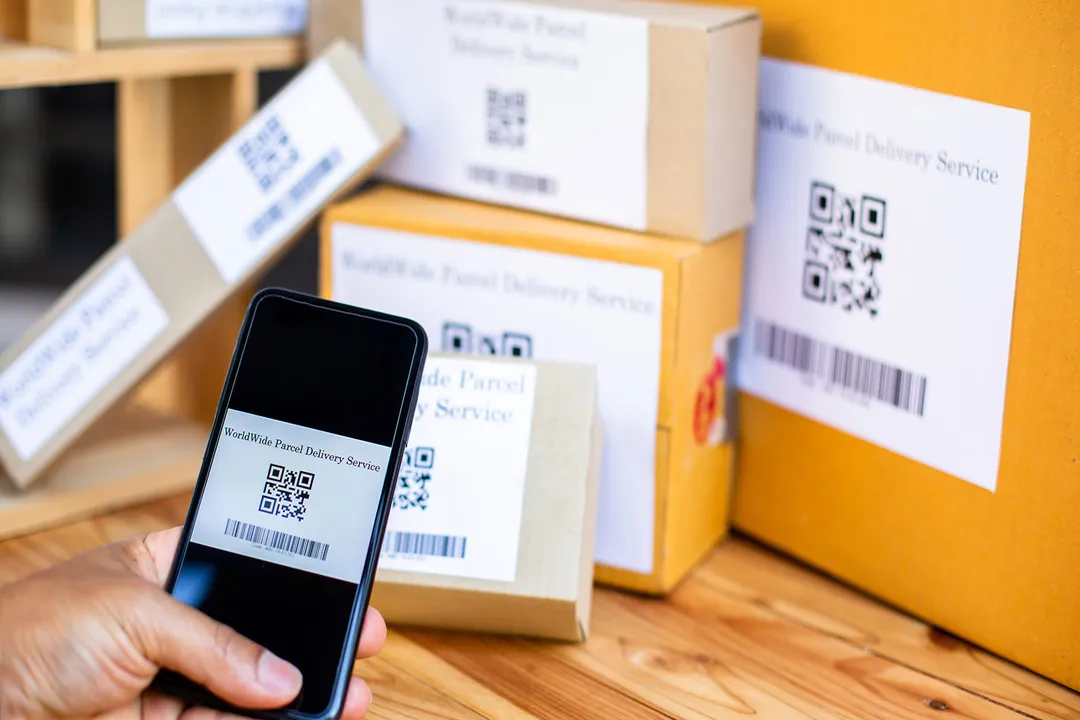
Smart packaging sensors are generally categorized by what they measure. A useful way to frame the contribution of various inventors and research groups is by looking at the primary sensing modalities they have refined for packaging use:
| Sensor Category | Measured Variable | Example Application/Goal | Source Context |
|---|---|---|---|
| Time-Temperature Indicators (TTIs) | Cumulative Heat Exposure | Tracking cold chain breaches for perishables [5] | Foundational, evolving towards gas sensing [2] |
| Gas/Chemical Sensors | Volatile Organic Compounds (VOCs), , | Detecting actual microbial spoilage or headspace integrity [2][7] | Modern focus, often colorimetric [7] |
| Humidity/Moisture Sensors | Water Vapor Levels | Preventing mold growth or maintaining crispness [3] | Physical phenomenon monitoring [3] |
| RFID/Electronic Sensors | Location, Basic Temperature Data | Supply chain tracking and traceability [1] | Requires external readers/power [1] |
When looking at these categories, the transition from basic TTIs (Category 1) to sophisticated, gas-reactive labels (Category 2) marks the most significant recent "invention" in terms of providing actionable intelligence about food quality rather than just transit history. [2][5] The former tells you if something went wrong; the latter tries to tell you what is wrong right now. [7]
# Commercialization Insights
While academic papers describe the potential for sensors based on advanced materials—perhaps involving quantum dots or novel polymer matrices described in high-impact journals [6]—the real bottleneck for widespread adoption has historically been cost and compatibility with high-speed printing processes. [1] Therefore, a key "invention" enabling smart packaging today isn't just the chemistry, but the process that allows the sensor to be printed or laminated onto packaging films at speeds exceeding those of traditional printing presses, often measured in thousands of units per minute. [1]
For instance, if a sensor costs just a few cents too much per unit, it becomes economically unviable for a low-margin product like a standard bag of chips or a carton of milk. The teams that successfully engineered a reliable, multi-layer sensor structure that can be produced on roll-to-roll machinery, perhaps using inkjet or gravure printing techniques, are the unsung inventors of the practical smart sensor. This transition from lab bench to mass production line—making the science economically accessible—is arguably as crucial an invention as the initial chemical discovery itself.
Furthermore, consumer acceptance plays a role. A truly successful sensor must be intuitive. The research into color-changing labels, like those developed by Senoptica, addresses this by providing an immediate visual cue that requires zero technical expertise from the end-user. [2] If a sensor requires a smartphone app or an external device to read its status (unless that device is an RFID reader already used in logistics), its utility for the consumer is limited, potentially reducing its overall market impact compared to a simple, unmistakable visual indicator. [1]
# Research Frontiers
Current research continues to expand the definition of "smart" beyond simple integrity checks. Work documented in sources like those from the IEEE or general sensor reviews points toward integrating more complex functionalities. [9] Future smart packaging may not just report spoilage but also attempt remediation, or at least provide far more granular data about where in the supply chain the failure occurred. [8]
For example, integrating multiple distinct chemical sensors onto a single label that report different conditions (e.g., one for high heat, one for a spike indicating a seal breach) requires sophisticated multiplexing capabilities within a tiny, flexible format. [4] The invention here lies in creating a localized, self-contained analytical lab on a label.
The evolution suggests a move away from simple binary (OK/NOT OK) indicators toward graded responses, similar to a thermometer rather than just a light switch. This requires inventors to design sensors whose output signal intensity correlates linearly and predictably with the magnitude of the exposure—a significant challenge when dealing with environmental noise and manufacturing variance. [3] The inventors we look for in the next decade will likely be those who master this quantitative assessment via low-cost, printed electronics or chemical arrays.
In summary, pinpointing a singular inventor of smart packaging sensors is impossible because the technology rests on centuries of chemical and electrical engineering principles. [3] Instead, we see a history of innovation driven by different needs: early players focused on basic time/temperature integrity; modern pioneers like Senoptica are developing sophisticated, visually readable chemical spoilage detectors; and academic research constantly pushes the boundaries of what materials can sense. [2][6] The true breakthroughs often occur not in the initial scientific concept but in the specialized engineering required to make that concept durable, cost-effective, and compatible with the high-speed demands of the global packaging industry. [8]
Related Questions
#Citations
The Rise of Smart Packaging
Senoptica Technologies fighting food waste with smart packaging
Intelligent packaging in meat industry: An overview of existing ... - NIH
Smart choices: Mechanisms of intelligent food packaging
Smart Packaging
Smart Packaging with Disposable NFC-enabled Wireless Gas ...
A smart color-changing sensor detects food spoilage in consumer ...
Smart packaging—An overview of concepts and applications in ...
Sensors for Smart Packaging in Healthcare and Food Industry
CheckPack: Making your food packaging intelligent - BioVox