What was the ballpoint pen invented to replace?
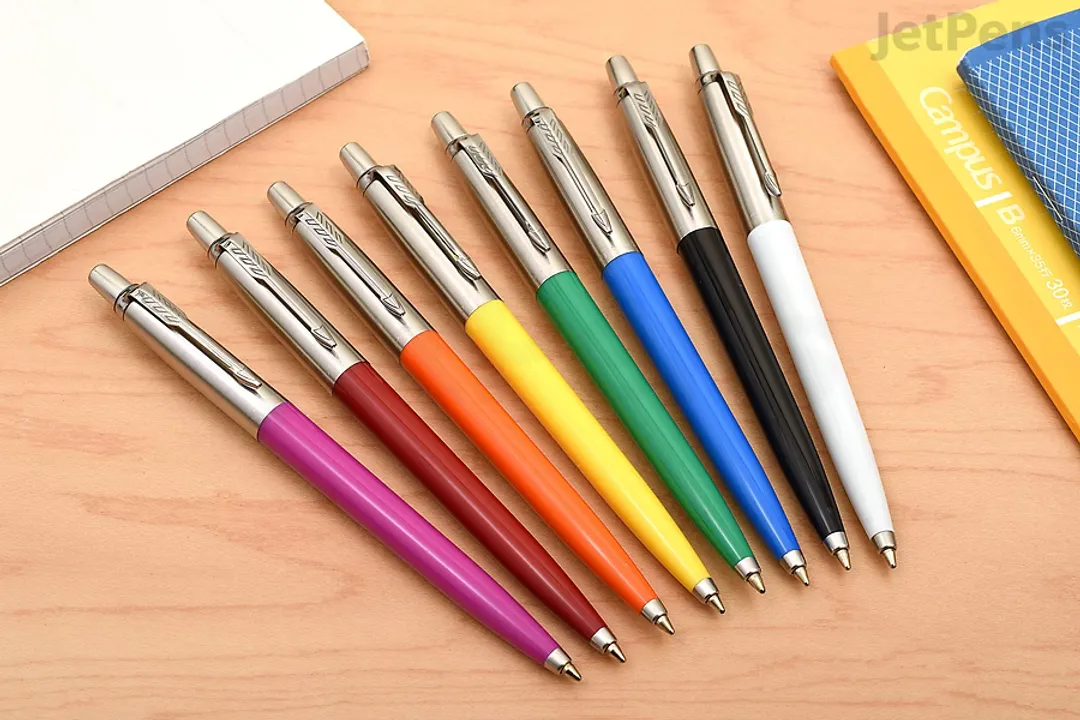
The primary object the ballpoint pen was developed to supersede was the fountain pen. [1][4][8][9] For decades leading up to the mid-20th century, the fountain pen, in its various forms, represented the pinnacle of personal writing technology. It offered a continuous flow of ink, a significant improvement over the dip pen, yet it carried with it a host of frustrating practical drawbacks that dictated how, where, and when one could reliably write. [4][8]
# Ink Problems
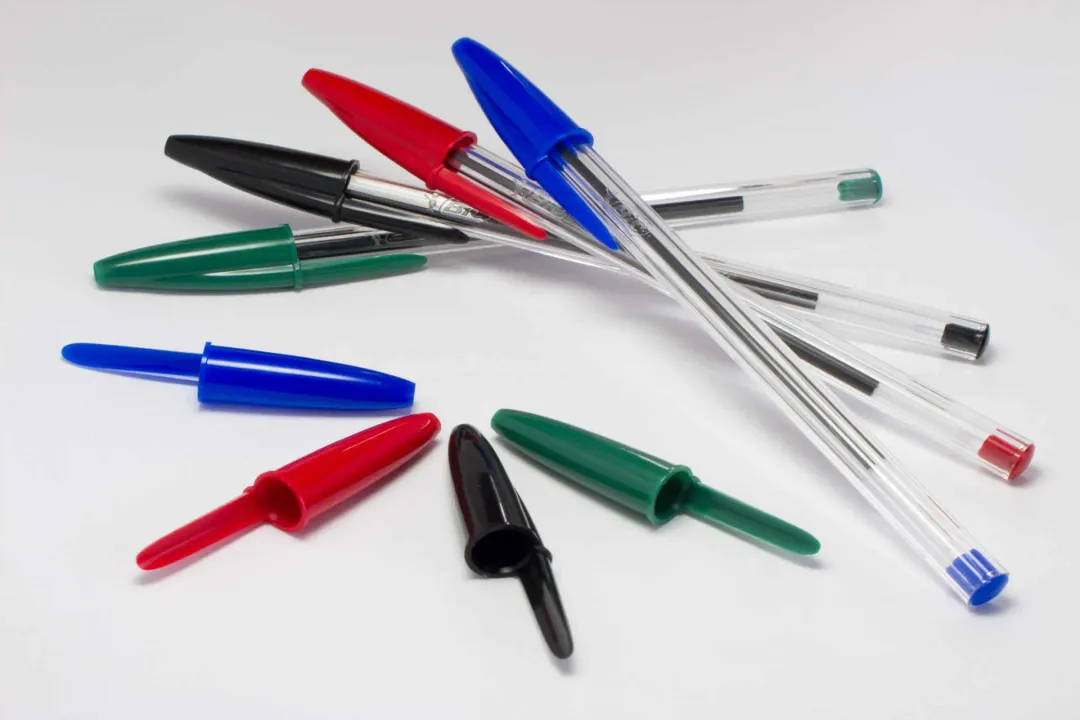
The inherent design of the fountain pen meant that the liquid ink it carried had to flow reliably through a delicate nib system. This very characteristic was also its greatest weakness. [8] The ink was prone to blotting on common paper stocks, especially if one wrote too quickly or with heavy pressure. [4] Worse still was the issue of leakage. A pressurized environment, such as an airplane cabin, could easily cause the ink reservoir to expel its contents, ruining clothing, documents, and upholstery. [1][6] Even on the ground, routine handling often resulted in ink stains on fingers and papers. [8] Furthermore, fountain pens demanded regular maintenance: cleaning, careful filling, and the potential for dried-out nibs if left unused for too long made them temperamental companions. [4][9]
# Journalist's Need
The man most credited with solving these pervasive issues was a Hungarian journalist named László Bíró. [6][8][9] As a working writer, Bíró was intimately familiar with the daily frustrations of the existing writing tools. He observed that the ink used for printing newspapers dried almost immediately upon hitting the page, resulting in sharp, smudge-proof text. [1][6][8] This contrasted sharply with the slow-drying, viscous ink required by fountain pens, which relied on capillary action to feed the nib. [8] Bíró recognized that if he could adapt the fast-drying properties of newspaper ink into a pen, he could eliminate the greatest annoyances plaguing writers everywhere. [1][6]

# A New Mechanism
Bíró enlisted the help of his brother, György Bíró, a chemist, to formulate an ink that was thick enough to resist leaking but fluid enough to flow when needed. [6][8] The second part of the challenge was engineering a delivery system that could handle this heavier medium without clogging. The solution they developed was ingenious: the tiny, rotating metal ball. [1][6][8][9] This ball sits snugly in the socket at the tip of the pen's point, held in place by the pressure of the pen's casing. As the pen moves across the writing surface, the ball rolls, picking up the thick ink from the reservoir and depositing it evenly onto the paper. [1][8] This mechanism, patented in 1938, effectively sealed the ink chamber from the outside air, preventing drying while ensuring smooth, consistent application without the messy flow of a liquid ink feed system. [6][8]
It is worth noting that the concept of a rolling ball mechanism was not entirely unprecedented; an American inventor named John J. Loud had patented a similar device for marking rough materials like leather in 1888. [1][8] However, Loud's design was too crude for fine writing and lacked the specialized, quick-drying ink necessary for true market viability. Bíró’s innovation lay in the successful combination of the rolling ball with the right type of ink, creating a practical instrument for everyday correspondence. [1][8]
# Altitude Test
Early commercialization was slow, hampered by the outbreak of World War II, which forced the Bíró brothers to flee Europe and set up production in Argentina, where they marketed the pen as the Birome. [6][8] The first major validation of the ballpoint’s superior reliability came not from the general public, but from the military. [1][6] The British Royal Air Force quickly recognized the ballpoint’s advantage in high-altitude flight conditions. Standard fountain pens, subjected to rapid changes in air pressure, often malfunctioned or leaked catastrophically. [1][6] The sealed, pressurized environment of the ballpoint pen, coupled with its consistent ink flow regardless of orientation, made it an essential tool for airmen who needed a dependable writing instrument aloft. [1] This military adoption provided a crucial demonstration of the pen's ability to perform where its predecessor failed completely.
# Mass Market Shift
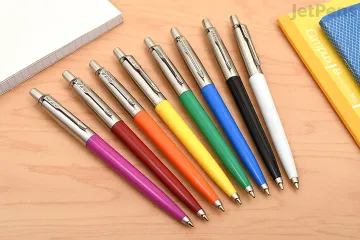
While Bíró's pen offered technological superiority, it was initially sold as a premium, refillable item—still somewhat expensive compared to the cheapest standard dip pens or scratchy pencils of the era. [7] The tool truly succeeded in replacing the fountain pen for the masses when it embraced disposability and extreme affordability. [5][7] This transition was spearheaded by French businessman Marcel Bich, who acquired the rights to the design. [7] Bich refined the manufacturing process, driving down costs until his company, which soon became known simply as Bic, could sell the pen for a pittance. [5][7] The introduction of the Bic Cristal in the 1950s, with its clear hexagonal barrel allowing users to see the ink level, marked the point where the ballpoint went from a functional novelty to an ubiquitous, low-value disposable item. [5][7]
The widespread adoption of this new, inexpensive format subtly altered the relationship people had with their writing tools. Where a fountain pen was often an object of personal pride, requiring care and possibly even professional repair, the ballpoint was inherently replaceable. This economic reality meant that writers could now afford to lose a pen or simply throw it away when the ink ran dry, removing the small administrative burden of pen maintenance from daily life. [7]
This change in value perception is an interesting reflection on industrial design history. The fountain pen represented a commitment to craftsmanship, embodying the idea that a tool for thought should be built to last, often featuring precious metals or intricate plasticwork. [4] The ballpoint, particularly in its mass-market iteration, championed efficiency and economy above all else. It created a new standard where the function of making a mark was so cheap to reproduce that the object itself lost nearly all intrinsic value, much like single-use containers today. [5] This transition effectively ended the fountain pen’s reign as the standard daily writer for the average person, relegating it to a status of a luxury, hobbyist, or ceremonial instrument.
# Lasting Impact on Handwriting
The shift in the writing instrument also subtly affected the physical act of handwriting itself. Fountain pen ink, being thin and wet, encouraged a lighter touch and a more flowing script to avoid blotting or digging the nib into the paper. [4] Ballpoint ink, being thick, oil-based, and needing friction to roll out, often requires the user to exert more downward pressure. [9] This requirement for pressure, combined with the immediate drying time, encouraged a slightly different style of writing—often more deliberate, sometimes appearing scratchier, but crucially, far more robust against smearing across different mediums. [9] For anyone who learned to write in the decades following the 1950s, the feel of applying firm pressure to a rolling sphere has been the default expectation of what writing feels like, a stark contrast to the smooth glide that fountain pen enthusiasts still seek out today. The ballpoint pen succeeded because it offered uncompromising utility, making the older, delicate technology obsolete for the demands of modern, high-speed documentation. [1][6]
#Videos
How This Pen Changed The World - YouTube
Related Questions
#Citations
Ballpoint pen - Wikipedia
The cheap pen that changed writing forever - BBC
How the Ballpoint Pen Changed the Way We Write - JetPens
You may have wondered why we refer to ballpoint pens as biros ...
TIL that the BIC Crystal ballpoint pen was first sold in the US in 1959 ...
How This Pen Changed The World - YouTube
Bic Pen: a cheap design that changed the history of writing
Ladislao José Biro invented a “miraculous” pen and changed ... - Vox
The History of Pens - Executive Pens Direct