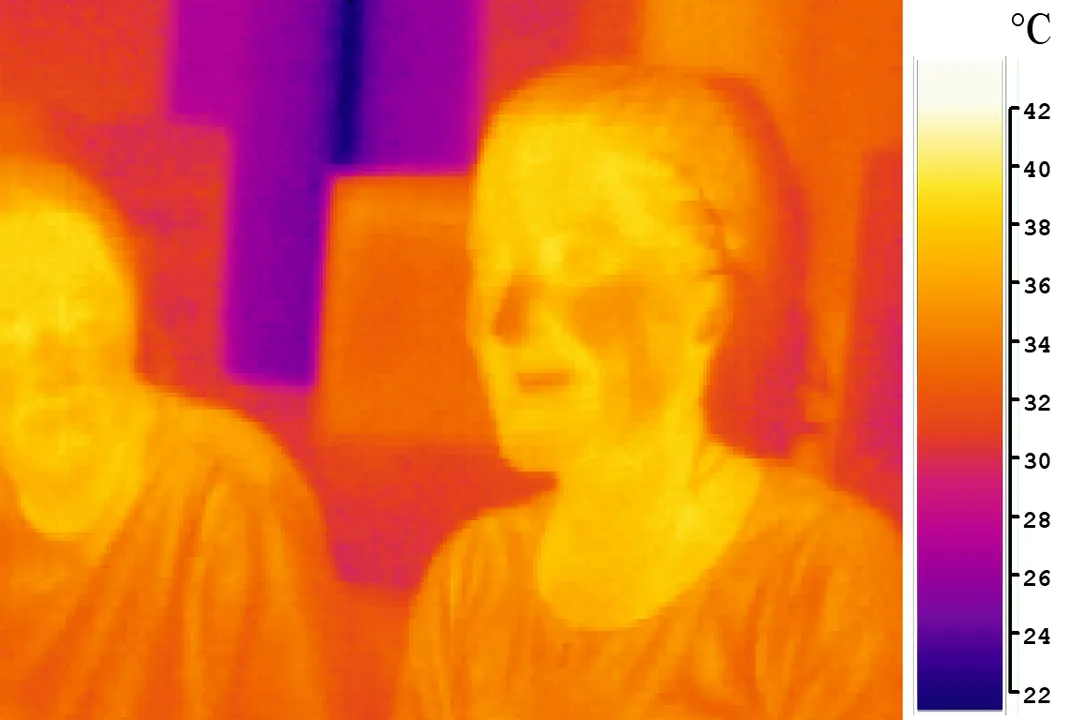
What is the fundamental operational difference between thermal detectors and quantum detectors?
Thermal detectors rely on bulk heating effects, whereas quantum detectors rely on photon interaction with matter.
The shift in infrared detection methodology during the mid-20th century marked a crucial divergence in physics principles. Thermal detectors, such as the bolometer and thermopile, function based on the bulk heating of the detector material; they must wait for the material's temperature to rise perceptibly before measuring the resulting change (like resistance or voltage). Quantum detectors, conversely, operate much faster by harnessing quantum mechanics. They utilize the energy of individual incoming infrared photons to instantly excite electrons from a bound state (valence band) to a conducting state (conduction band), generating an immediate electrical signal without waiting for bulk thermal equilibrium.