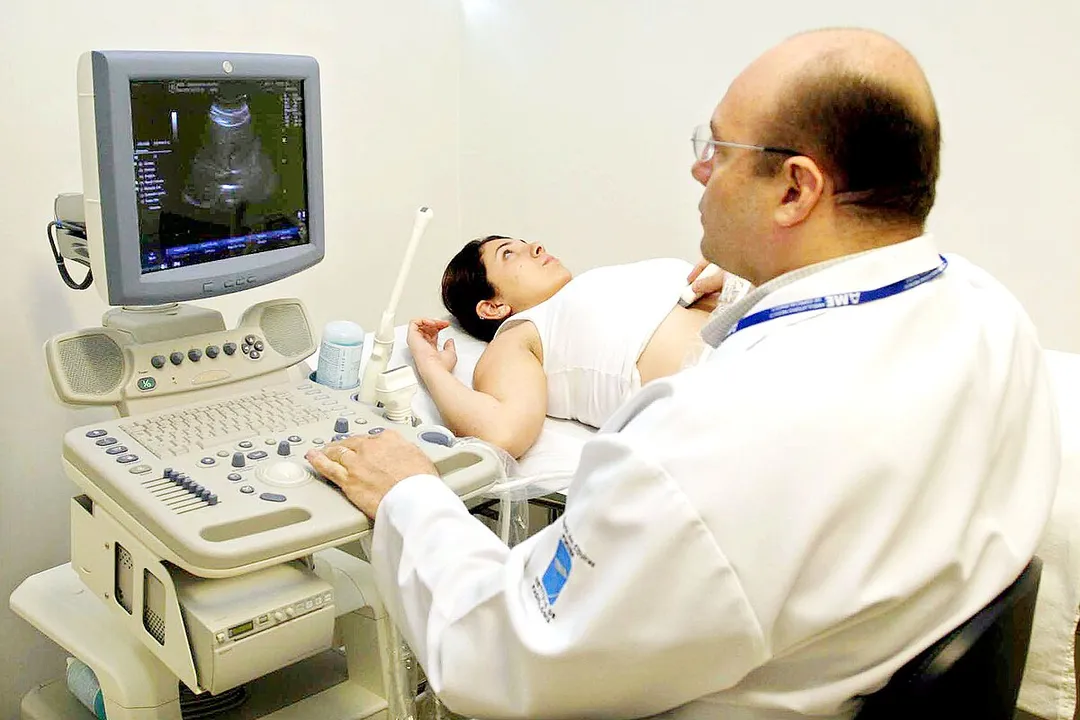
How did the design goal for medical ultrasonic transducers shift compared to Langevin's SONAR apparatus?
Precision and high resolution became paramount over sheer transmission power.
The practical needs of military submarine detection, as addressed by Paul Langevin, centered on achieving long ranges, requiring powerful transmission systems capable of sending sound far into the water and receiving faint, distant echoes. Conversely, when ultrasonics moved into medicine, the application changed to non-contact measurement and imaging within biological tissues. This new purpose shifted the engineering focus dramatically. Instead of maximizing range and power, medical applications demanded high resolution to differentiate between soft tissues and locate abnormalities accurately. This necessitated the development of smaller, highly focused transducers capable of generating extremely high frequencies, often in the megahertz range, to achieve the required level of detail.