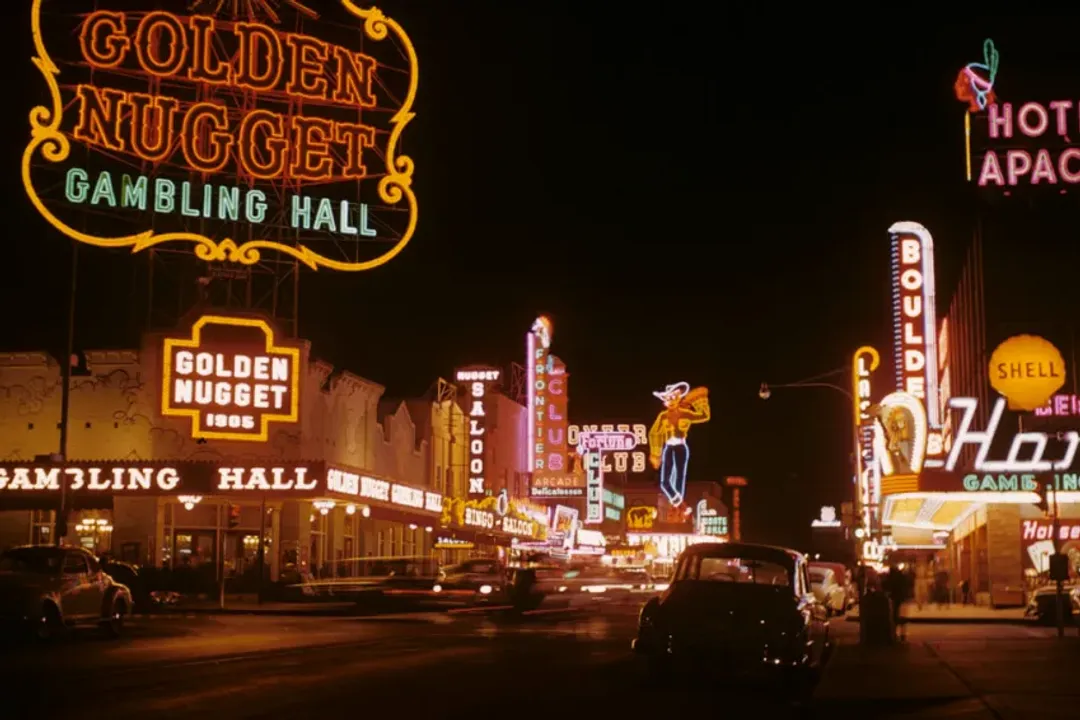
What primarily drives the modern resurgence of neon signs compared to the Golden Age necessity?
A deliberate aesthetic choice seeking a specific analog glow, unlike the commercial imperative of the past
The context for neon's commonality has changed between its initial peak and its contemporary comeback. During the Golden Age (late 1920s to 1950s), neon was a commercial imperative—a loud, cutting-edge method dictated by the available technology to shout above the competition in a crowded marketplace. Today, while neon signs are common again, particularly in interior design and art installations, this modern adoption is less about being the only functional choice. Instead, it is often a deliberate aesthetic preference, driven by a desire for the unique, warm, and analog quality of the glow that contemporary, high-efficiency LED solutions frequently struggle to perfectly replicate. This modern commonality is based on curated taste rather than technological necessity.