Who invented smart traffic lights?
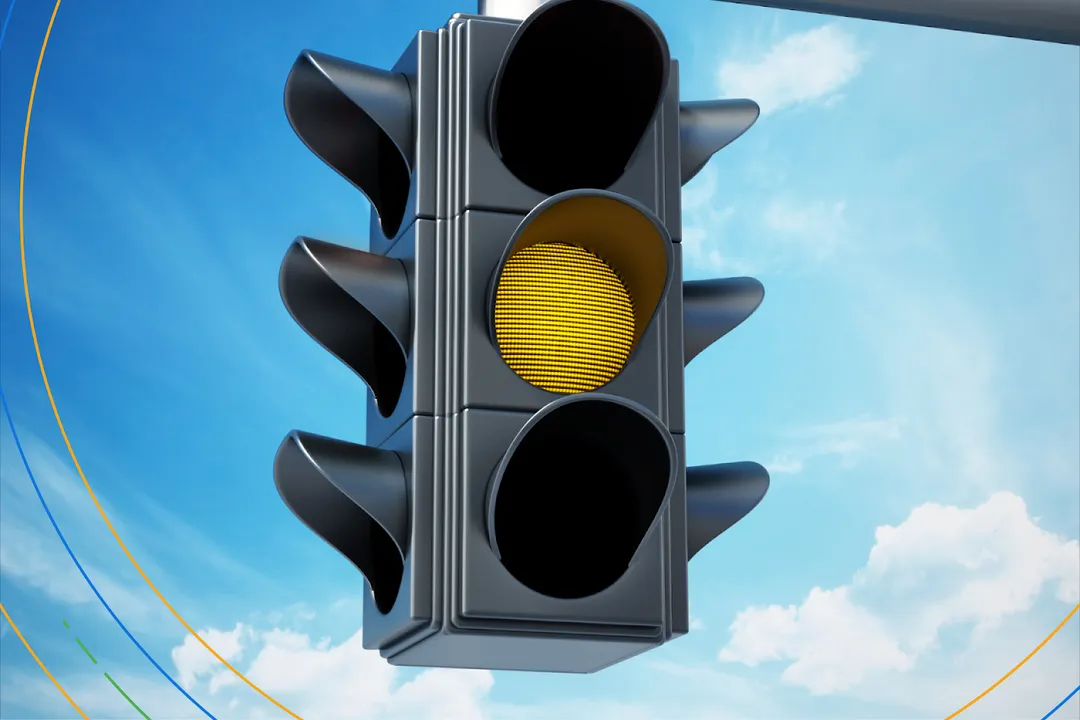
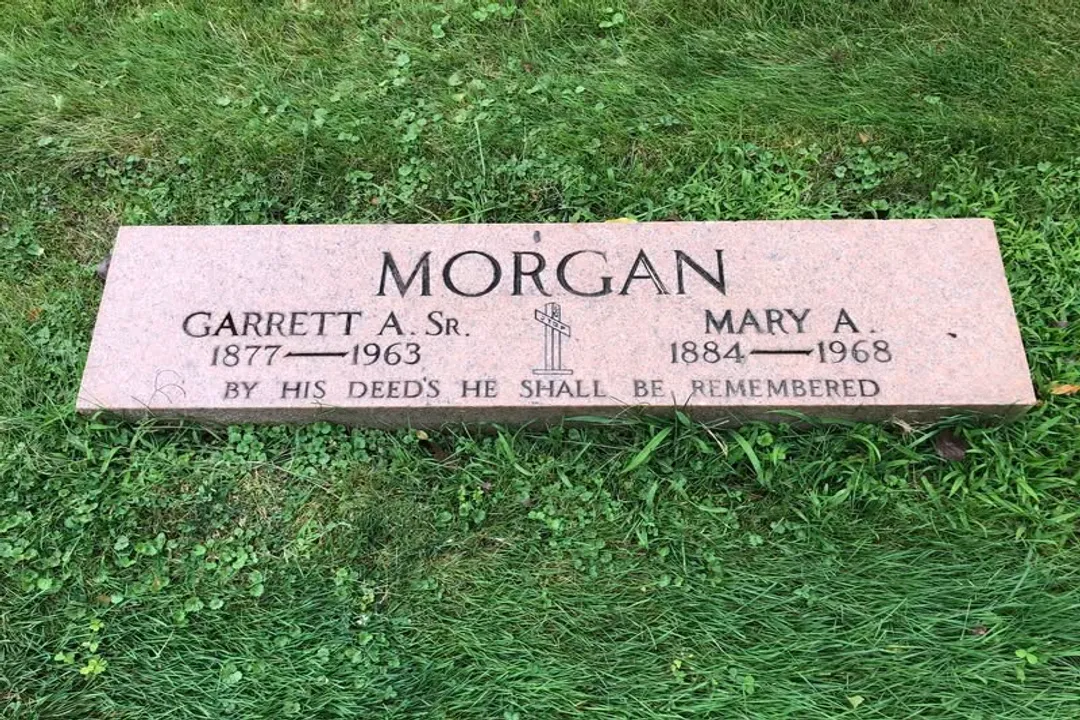
The initial development of traffic control devices predates the familiar red, yellow, and green lights by quite some time, as the need to manage vehicular flow became apparent with the rise of the automobile. Before electrification, simple semaphore arms or manual police direction handled intersections, but these early methods were inherently limited by human stamina and visibility. The true precursor to the modern signal system arrived in the form of a gas-lit, two-way signaling device credited to policeman Garrett Morgan in 1923, which improved safety over earlier, less capable designs. Morgan's device featured an extendable arm and lights to signal stops and turns, making it a significant step toward automated control, and he is often cited as the inventor of the traffic signal itself. However, the history of electrified signals is more complex, involving several pioneers working around the same time period.
# Early Electric Signals
While Morgan patented his significant contribution, the electric traffic signal also has competing origin stories. One early electric device was installed in Cleveland, Ohio, in 1914, using just two lights—red and green—and a manual switch to change the indication. Lester Wire, an inventor from Salt Lake City, is sometimes credited with a similar four-way, three-color system installed around 1912 or 1916, though documentation on his specific system is less definitive than others. Another crucial figure is James Hoge of Cleveland, who patented an electric, four-way, three-color traffic control system in 1923—the same year as Morgan's patent. Hoge's design was notable because it allowed for automatic timing, shifting the control mechanism away from a human operator. His patent was later sold to the American Traffic Signal Company.
When comparing these foundational figures, the focus shifts depending on what aspect of the signal is prioritized: Morgan’s recognized safety contribution with the stop/turn mechanism, or Hoge’s patent for the automated, interconnected four-way system that laid the groundwork for city-wide synchronization. A common thread across these inventors is that they were responding directly to the growing chaos of early 20th-century urban traffic volumes.
# Intelligent Control Attempts
The quest for lights that could respond to traffic, rather than just adhere to a fixed schedule, began surprisingly early. One remarkable example involves a system designed by H. G. Thring in the 1920s that sought to measure traffic volume and adjust signal timing accordingly. Thring's concept involved using telephone lines for communication and magnetic induction loops embedded in the road to detect the presence of vehicles, effectively creating an early form of actuated control. This foresight is striking; Thring was conceptualizing complex, interconnected, responsive traffic management a full century before such systems became commonplace and widely implemented.
This historical context reveals a pattern: the concept of intelligent traffic control was not a modern invention but an aspiration present from the earliest days of electrification. The main impediment was not a lack of ideas but the sheer technological and financial limitations of the era. The necessary electronics, reliable sensors, and communication infrastructure simply did not exist at a cost-effective scale to bring Thring's vision to life. Modern smart systems owe a debt to these early dreamers, often implementing their goals using vastly more powerful, yet conceptually similar, technology. Considering the investment required to install even simple fixed-time systems in the 1920s, deploying Thring's complex network would have been prohibitively expensive and difficult to maintain across a city grid.
# Evolution of Signalization
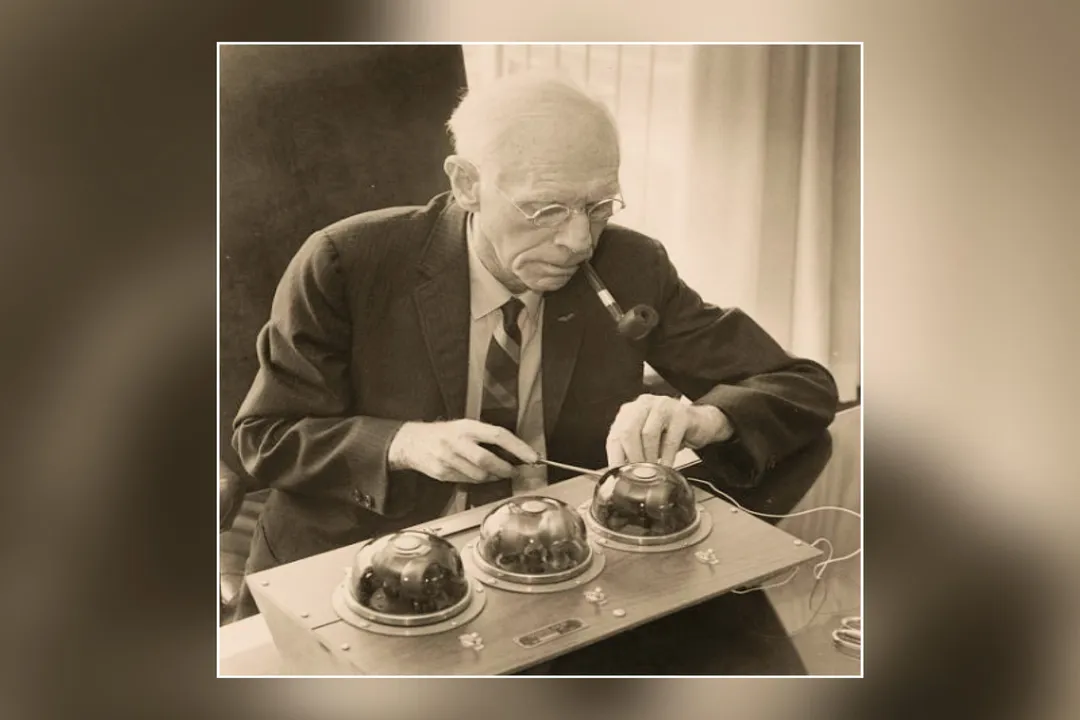
For decades following the initial electric installations, traffic lights remained largely fixed-time, operating on pre-set intervals. The primary evolution centered on adding more phases—like protected left turns—and improving the visibility and durability of the hardware. The true transition toward "smart" technology began when systems started incorporating methods to detect vehicles rather than just timing lights based on assumptions about traffic patterns.
This shift introduced the concept of actuated control, where sensors (initially pressure plates, later loops or radar) inform the signal controller that traffic is waiting on a particular approach. This marks the first significant step toward intelligence, as the signal now reacts to demand. This reaction capability drastically improves efficiency compared to a purely fixed cycle, especially at intersections where one direction rarely has traffic waiting.
| Era / Type | Control Mechanism | Key Limitation |
|---|---|---|
| Pre-1914 | Manual/Semaphore | Operator fatigue, poor visibility |
| Early Electric (1914-1920s) | Fixed Time/Manual Switch | Inflexible timing, wasted green light time |
| Actuated Control (Mid-20th Century) | Vehicle Detection (Loops) | Reacts only to immediate demand; no coordination |
| Modern Smart Systems | Communication, AI Optimization | Requires significant initial infrastructure investment |
The move from simple detection to coordination between adjacent intersections represents the next level of advancement. Early coordination relied on setting offsets between signals to create "green waves" for platoons of vehicles moving along a corridor, but these were often optimized for a single direction or time of day.
# Defining Smart Traffic Control
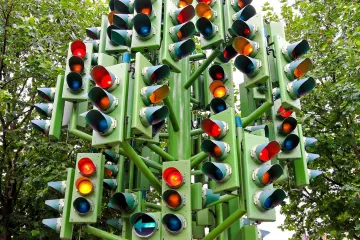
What distinguishes a "smart" traffic light system from an older, actuated signal? The definition hinges on communication and optimization based on real-time network data. A truly smart intersection is no longer an isolated unit responding only to the cars immediately present; it participates in a larger dialogue with other signals and a central management system.
Modern smart systems utilize technologies like video detection, radar, and advanced communication protocols to gather rich data about queue lengths, turning movements, and overall intersection performance. This data feeds into sophisticated software, often employing machine learning or complex algorithms, to make real-time decisions that maximize throughput and minimize delay across an entire network, not just at a single point.
For instance, a modern system might sense a large backup forming on Main Street due to an event three blocks away and proactively adjust the timing of the intervening signals before the backlog reaches them. This predictive or anticipatory action is a hallmark of modern intelligence, moving beyond the reactive nature of earlier actuated systems. Research, such as that conducted by computer scientists at the University of Texas at Dallas, focuses on developing these advanced algorithms that allow traffic lights to "talk to each other" to create optimized, congestion-reducing flows dynamically.
# Networks and Coordination
The invention, therefore, isn't a single hardware component but the system that integrates detection, processing, and communication. The shift from standalone controllers to networked systems fundamentally changes traffic engineering. Instead of engineers painstakingly calculating offsets for fixed "green waves," the system dynamically calculates the best timing parameters based on actual, moment-to-moment conditions across multiple intersections.
This level of coordination means that the system can better handle unusual conditions, such as an accident or an unexpected surge of traffic into a downtown area, by fluidly re-prioritizing signal timings across the affected zone. The ability to rapidly implement changes based on live data contrasts sharply with the old method, where adjusting coordination often required manual intervention or waiting for the next scheduled timing plan update.
When we consider the local context of implementing such a system, it becomes clear that the challenge is often one of integration. Retrofitting older infrastructure with the necessary fiber optic communication lines or reliable wireless links required to support this continuous data exchange is often the greatest hurdle, even more so than developing the core algorithm itself. The payoff, however, can be substantial. Implementing adaptive, smart control can lead to significant reductions in overall network delay and corresponding reductions in emissions, as fewer vehicles spend time idling at red lights waiting for a fixed cycle to change. If we were to model the impact, a 10% reduction in average delay across a major corridor might translate to hundreds of thousands of dollars saved annually in wasted fuel and time for commuters, an excellent return on the upfront communication investment.
# The Inventors of Today
Answering "Who invented smart traffic lights?" therefore requires naming not one person, but a collection of engineers, computer scientists, and traffic planners, often working in university and industry partnerships. Unlike Garrett Morgan or James Hoge, who secured definitive patents for physical mechanisms, the current generation of "inventors" is defining the software and communication protocols that enable self-optimization. The continuous development in sensor technology, coupled with advances in cloud computing and edge processing at the signal controller itself, means that the definition of a "smart light" is constantly being refined.
The work done today involves creating systems that can handle complex variables—pedestrian demands, bicycle traffic, public transit priority—all while communicating across a city-wide network. This sophistication builds upon the foundational work of the early pioneers who gave us the basic stop-and-go mechanism, but the current intelligence lies in the network effect and the real-time decision-making capability integrated into the system's software. The legacy of the early inventors was creating the necessary interface for drivers to understand instructions; the legacy of today's innovators will be making that interface react intelligently to the entire transportation ecosystem simultaneously.
Related Questions
#Citations
The Man Who Invented Intelligent Traffic Control a Century Too Early
The Evolution of Traffic Signal Technology - Miovision
Safer Stop and Go: Garrett Morgan's Traffic Signal Legacy | FHWA
How a Smart Traffic Control System Can Signal Success on the Roads
UT Dallas Professor Helps Invent Traffic Lights That Talk to Each ...
Who Invented Traffic Signals? - Prairie Electric
Who Invented Traffic Lights? The Story of John Peake Knight - LYT
A 105-Year History of the Electric Traffic Signal
Garrett A. Morgan, inventor of the traffic light, and his contributions to ...