When did neon lights become common?
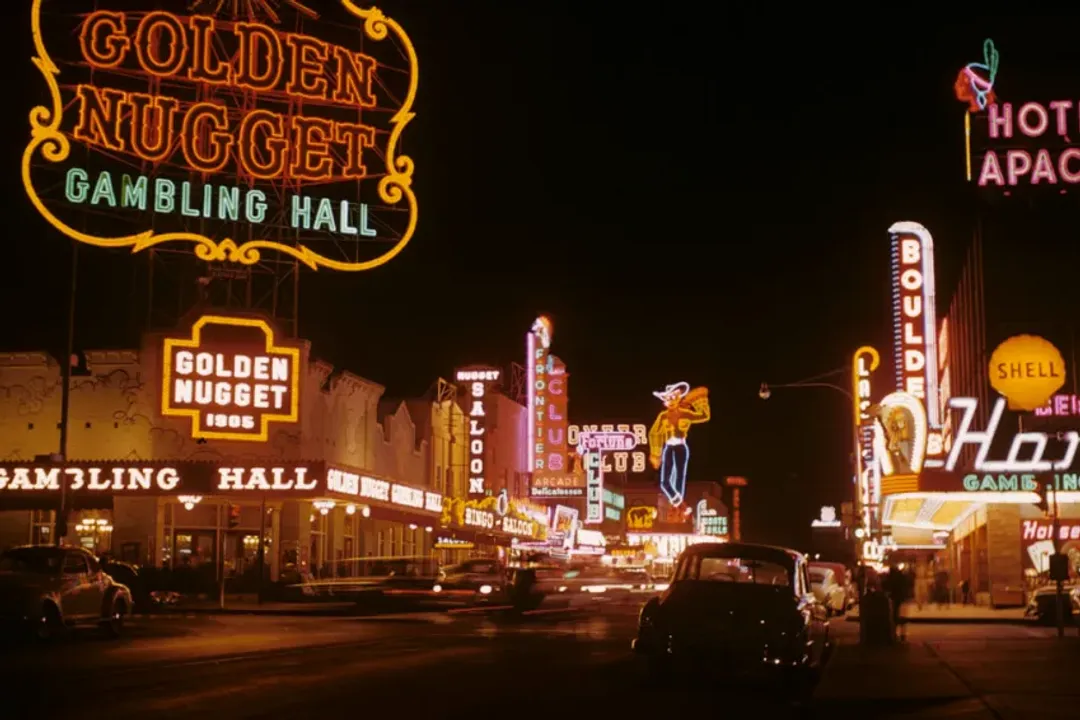
The distinctive, vibrant glow we associate with city nights and classic Americana didn't appear overnight. It was the result of scientific curiosity meeting commercial ambition, a slow burn that ignited into a blazing commonality in the decades following its public introduction. [3][5] While the underlying physics had been understood for some time—the glow from electrified noble gases—it was the engineering breakthrough that allowed this light to be shaped and controlled that truly matters for when neon became common in the public sphere. [9]
# Discovery and Display
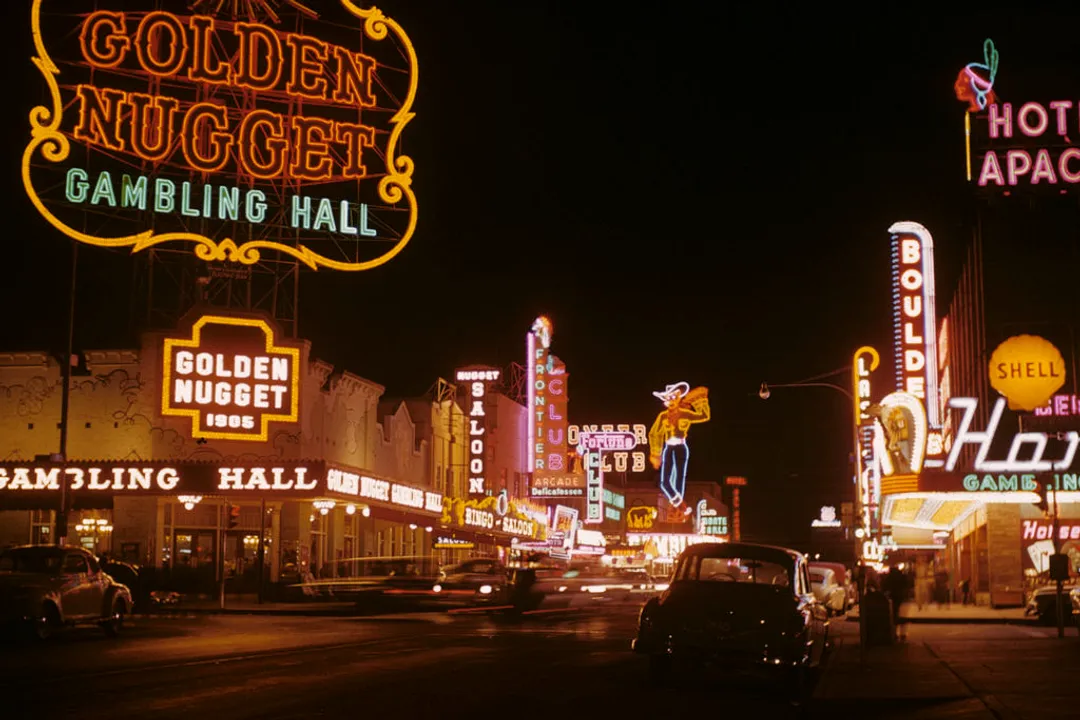
The crucial figure in this story is the French engineer Georges Claude. [1][5][9] Claude wasn't just working with electricity; he was refining the process of enclosing rare gases in glass tubes and electrifying them to produce light. [9] His critical step was perfecting the vacuum pumping process necessary to clean the glass tubes sufficiently, ensuring a bright, long-lasting glow. [1] This refinement is what separated a scientific curiosity from a viable product. In 1910, Claude publicly demonstrated his innovation, presenting the first neon lamp in Paris. [1][9] This was the moment the world first saw controlled, brilliant neon light, although it was still far from being a common sight on store fronts.
# Early Commercialization

If 1910 was the demonstration, 1912 marked the first actual transaction for the new technology. [1][9] In that year, the first commercial neon sign was sold, again in Paris. [1][9] However, for neon to be considered common, it needed to cross the Atlantic and capture the burgeoning American advertising market. This jump happened several years later. It was in 1923 that Georges Claude sold the rights for his neon technology in the United States to Earle C. Anthony for $24,000. [2][5] Anthony wasted no time in applying this exciting new medium to commerce.
The very first electric neon sign displayed in the United States was installed in Los Angeles, California, that same year, advertising a Packard dealership. [2][5] This installation serves as a clear marker for the beginning of neon's American story. The immediate reaction was powerful; the sign was described as an "instant sensation". [2][5]
| Event | Date (Approximate) | Significance | Source Index |
|---|---|---|---|
| First Public Lamp Demonstration | 1910 | Scientific breakthrough made visible | [1][9] |
| First Commercial Sale | 1912 | The technology becomes a product | [1][9] |
| U.S. Rights Sold | 1923 | Gateway to American mass adoption | [2][5] |
| First U.S. Installation | 1923 | Neon enters the American streetscape | [2][5] |
# The Rise to Commonality
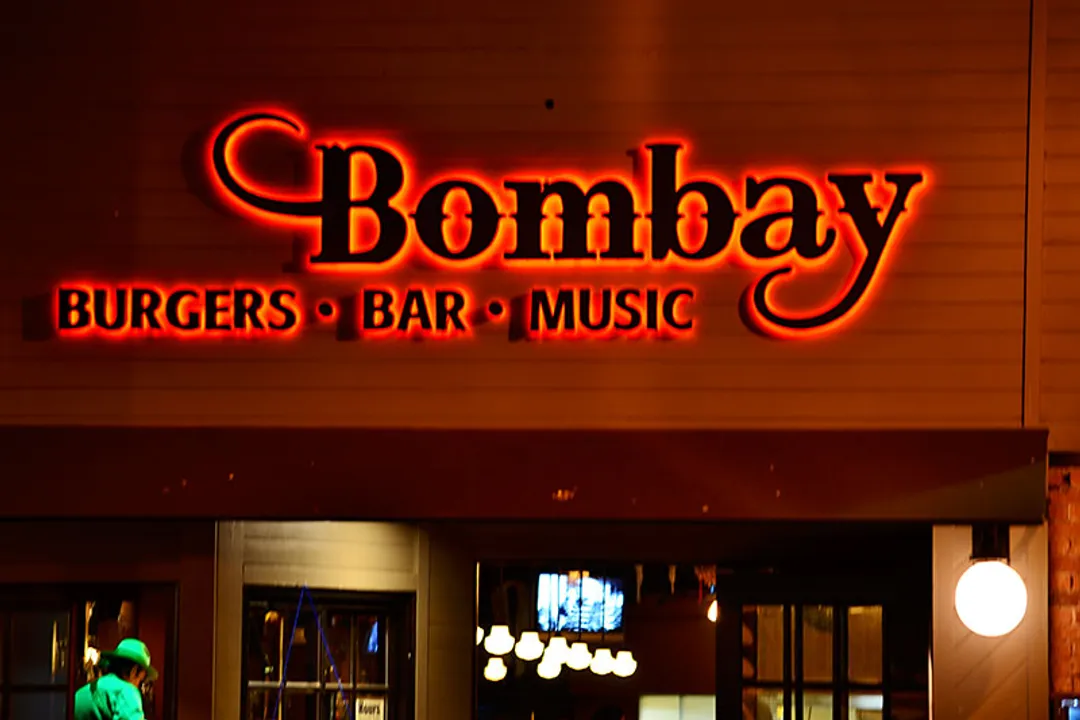
The threshold to becoming truly common is usually marked by widespread, affordable adoption, moving beyond a high-priced novelty for only the most affluent businesses. For neon signs, this transition happened rapidly in the late 1920s and accelerated through the 1930s. [2][3][5] Businesses quickly realized the captivating power of this bright, colorful lighting, especially after dark, providing a level of attention-grabbing visibility that incandescent bulbs simply could not match. [8]
The period spanning from the late 1920s through the 1950s is frequently referred to as the "Golden Age of Neon". [2] During this time, the technology saturated city centers, becoming synonymous with entertainment districts, diners, theaters, and general roadside advertising. [2][8] If you were creating a landmark business identity in America or Europe during this era, having a custom-bent glass tube sign was not just common; it was often expected for high-visibility locations. [8] The aesthetic became deeply interwoven with the visual identity of urban nightlife. [8]
It is worth noting that the vibrant colors often attributed to neon signs don't always come from neon gas itself. Pure neon gas, when energized, produces a characteristic reddish-orange hue. [1] To achieve the vast spectrum of blues, greens, pinks, and whites seen in those vintage displays, engineers would use other noble gases, such as argon, or coat the inside of the glass tubes with phosphors. [1] This technical flexibility allowed the medium to fulfill nearly any branding requirement, which certainly contributed to its widespread adoption.
# Aesthetics Versus Perception in Later Decades
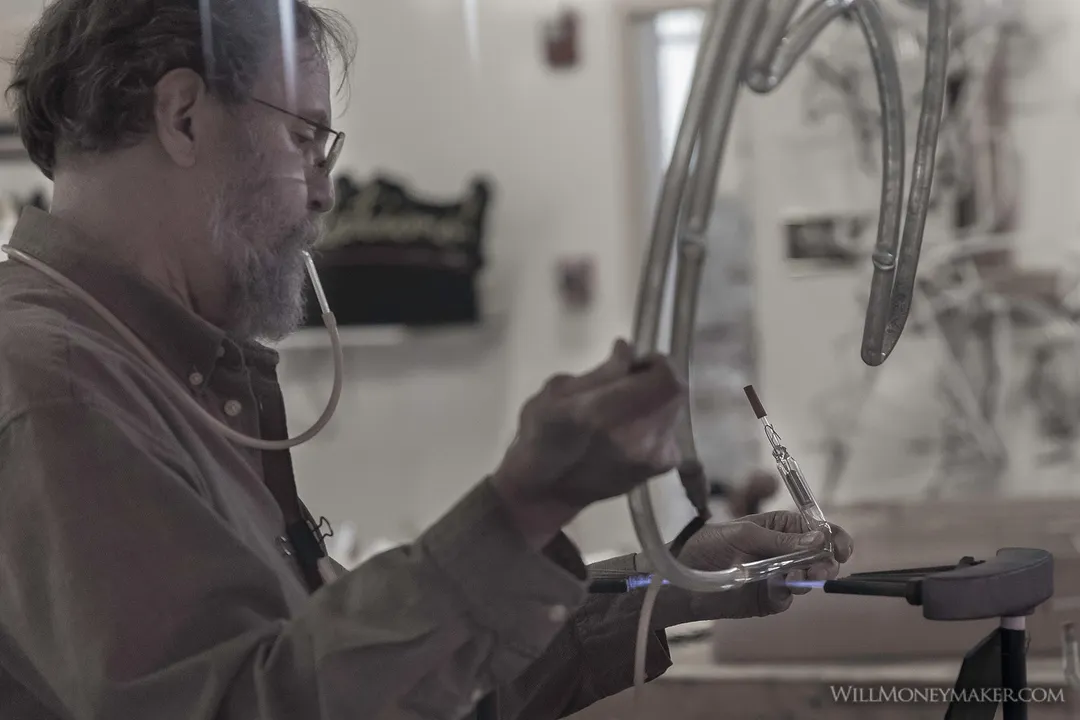
While the "Golden Age" firmly establishes when neon became common—meaning prevalent and expected—the narrative around its continued presence becomes more complex in later decades. [2] By the 1970s, the perception of neon signs in the United States appears to have entered a more ambivalent phase. [6] There is some indication that, even by the seventies, neon lighting was viewed by some as being somewhat out of favor compared to newer lighting technologies, despite the persistent visual presence of existing signs. [6]
This presents an interesting divergence between actual visibility and cultural favorability. Someone walking down a major street in the early 1970s would still be surrounded by a significant number of bright, established neon signs, making them visually common. [6] Yet, for a new business opening, the trend might have been shifting toward alternatives that were perceived as more modern or energy-efficient. [6] The sheer density of pre-existing signage from the boom years ensured that the look persisted visually, even if the rate of new installations slowed down.
Consider a modern sign buyer today. When comparing that classic neon to contemporary options, the longevity of the material itself is a key difference. A properly maintained, hand-bent glass tube sign built during the 1940s or 50s often continues to shine, demonstrating an inherent durability in its core technology that modern, often modular LED solutions, while brighter and more efficient, have yet to fully prove over the same multi-decade lifespan. [7] This historical resilience is one part of the reason that older neon signs are often preserved and valued today, even if the technology isn't leading new installations.

# The Contemporary Resurgence
The commonality of neon signs has taken on a new dimension in recent years. After a period where they might have been seen as relics, there is a recognized comeback for the medium. [7] This modern interest isn't just nostalgia; it's often driven by a desire for the specific, warm, analog glow that LEDs struggle to replicate perfectly. [7]
Today, neon signs are common again, but perhaps in a different context than the 1930s. In the Golden Age, they were a commercial imperative, a loud shout in a crowded marketplace. [8] Now, they frequently appear in interior design, art installations, and retro-themed venues, marking a deliberate aesthetic choice rather than a purely functional necessity dictated by existing technology. [7] This new commonality is a choice; the first era of commonality was an innovation dictated by what was cutting-edge.
In summary, neon lights moved from laboratory curiosity to common commercial fixture between 1923 and the late 1920s in the United States, solidifying their status throughout the 1930s and 1940s. [2][5] While their favorability might have waned temporarily in the mid-to-late twentieth century as newer options emerged, their physical presence remained significant before entering a new phase of appreciation in the present day. [6][7]
Related Questions
#Citations
Neon sign - Wikipedia
The Golden Age of Neon - North American Signs
A Brief History of Neon Signs - yellowpop
30 years ago, neon lights were largely used to give a futuristic look ...
A Brief History of Neon Lighting - Will Moneymaker Photography
Is it true that neon lighting in the United States was actually out of ...
Here's Why Neon Signs Are Making a Comeback
Neon nights | Europeana
December 1910: Neon lights debut at Paris Motor Show