When did Velcro become mainstream?
The familiar ripping sound of a detached fastener is one of the mundane background noises of modern life, appearing on everything from children’s shoes to expensive outdoor gear. This ingenious mechanism, often referred to generically as hook-and-loop, has an origin story rooted not in a corporate lab but in a simple walk through the woods. The path from a curious observation in the Swiss Alps to becoming a universal fastening solution was neither quick nor automatic, requiring years of painstaking development and a significant cultural pivot away from traditional hardware like buttons and zippers. [1][2][10]
# Alps Observation
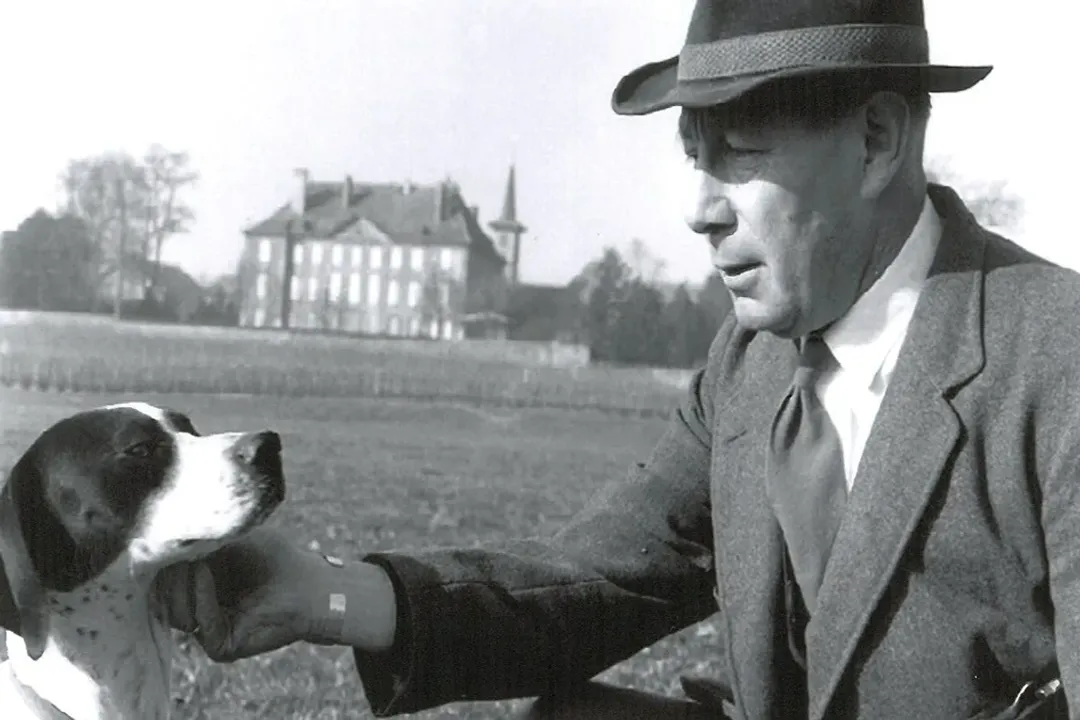
The entire history of Velcro begins with a Swiss engineer named Georges de Mestral. [2][10] In 1941, following a hunting trip in the Swiss mountains, he noticed how stubbornly tenacious burrs from the burdock plant clung to his clothing and his dog’s fur. [2][4][10] Instead of merely brushing them off in annoyance, de Mestral, driven by engineering curiosity, decided to examine the attachment mechanism under a microscope. [1][2][10]
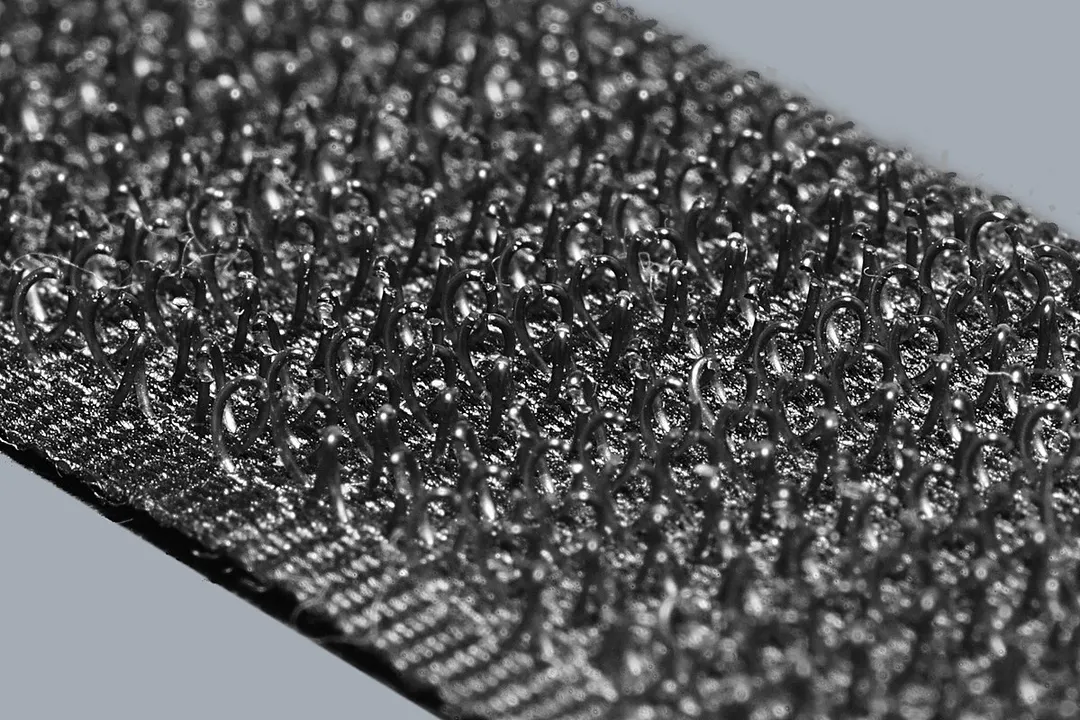
What he observed was the key to his future success. Under magnification, the burrs revealed hundreds of tiny hooks that snagged onto the loops of fabric threads and fur. [2][4][10] This natural interface, built for seed dispersal, presented de Mestral with a revolutionary concept for mechanical fastening—a reusable closure system that relied on thousands of tiny, interlocking structures rather than snaps, buttons, or conventional zippers. [1][10]
# Years Developed
The realization of the concept took considerably longer than the initial observation. [1] De Mestral spent nearly a decade experimenting with various materials to replicate the natural phenomenon he witnessed. [2][7][10] His initial attempts involved materials like cotton, which proved inadequate because the hooks would quickly dull or break. [1] The breakthrough came when he experimented with nylon, which demonstrated the necessary resilience and durability for the hooks to function reliably over many cycles. [1][2][7]
This period of trial and error—perfecting the shape, size, and spacing of the hooks to achieve strong but releasable adhesion—was critical. It highlights that invention is often less about the initial spark and more about the rigorous, often frustrating, process of material science and engineering refinement. [1]

# Patent Secured
The official validation of de Mestral's tireless work arrived when he was granted the patent for his creation in 1955. [1][2][7][10] This marked the official birth of the hook-and-loop fastener system under patent protection, giving de Mestral the exclusive rights to manufacture and sell his invention for a set period. [1]
The resulting product was officially named Velcro, a simple but effective portmanteau derived from the French words velours (velvet) and crochet (hook). [2][6][7] This branding strategy proved highly effective in establishing a memorable name for the new technology, setting it apart from the complex terminology of 'hook-and-loop fasteners'. [6]
# Early Niche Use
Despite securing the patent in the mid-1950s, Velcro did not immediately flood consumer markets. In fact, its first significant adoption was highly specialized and far from mainstream retail shelves. [1] The initial manufacturing process was costly and slow, making the product expensive for everyday consumer goods. [1] Therefore, the early adopters were organizations where performance and security outweighed the unit cost. [1][7]
The most famous early client was NASA. [1][7][10] In the 1960s, as the United States pushed toward space exploration, Velcro became indispensable for keeping equipment, cameras, and astronauts' belongings secured within the zero-gravity environment of spacecraft. [1][7] If a loose pen floated away, it could potentially damage sensitive equipment; Velcro solved this by providing reliable, reusable anchors. [7] This association with cutting-edge space technology lent the product immediate credibility and high-performance legitimacy. [1]
The military was another primary early adopter, finding uses for the fastener in field gear, uniforms, and specialized applications where silent or secure closures were necessary. [1][10] These high-profile, mission-critical applications established Velcro as a durable and dependable product before it ever appeared in a department store.
# Production Hurdles
Scaling production proved to be one of the major bottlenecks preventing immediate mainstream success. Creating the thousands of tiny, durable hooks required a sophisticated manufacturing process that was difficult to automate economically in the late 1950s and early 1960s. [1] Traditional sewing and weaving methods were inadequate for producing the woven nylon material with the required microscopic precision. [1]
An interesting aspect of this transition from novelty to necessity lies in the material science cost curve. While NASA could absorb high per-unit costs for crucial life support and equipment containment, the average consumer would not adopt a product that cost significantly more than a simple button or zipper. The mainstream adoption—the point where consumers widely accepted it—was therefore directly tied to the manufacturer’s ability to bring down the unit cost through improved, automated weaving technology, eventually making it affordable for mass-market apparel and home goods. [1]
The brand, represented by Velcro Companies, has consistently focused on maintaining the integrity of the invention, often restricting the use of the term "Velcro" to its branded product, emphasizing that while hook-and-loop technology is widespread, the genuine article carries the brand name. [8][9] This focus on brand control, while safeguarding intellectual property, also meant that the true "mainstream moment" required a saturation point where the brand name became synonymous with the generic function.
# Fashion Integration
While military and space applications demonstrated utility, the true sign of mainstream penetration is its adoption into everyday fashion and consumer goods. [3][4] The move into apparel was gradual, often starting with practical items before hitting high fashion. [4]
Early fashion uses focused on convenience, particularly for children's clothing and for individuals with physical dexterity challenges. [4] For parents, Velcro replaced fiddly buttons on toddlers' jackets, while for those with limited hand mobility, it offered a faster, easier way to secure shoes and coats than laces or zippers. [4]
The textile industry began incorporating the fastener more broadly by the late 1960s and into the 1970s. Fashion designers began to see the closure not just as a functional replacement but as a design element in itself. [3][4] This move from pure function to aesthetic choice marks a definitive step toward being truly mainstream. By incorporating it into runway shows and popular clothing lines—as evidenced by its presence in documented fashion history—the fastener shed its purely utilitarian, space-age image. [3] It became an accepted, visible part of casual wear, sportswear, and accessories. [3]
# Widespread Presence
So, when did Velcro truly become mainstream? If we define mainstream as the point where the average household owns multiple items featuring the fastener and its use is culturally ubiquitous, the transition appears to have solidified across the late 1970s and throughout the 1980s. [7] By this point, the cost of nylon production had dropped, the manufacturing processes were refined, and the initial novelty had worn off, leaving behind a respected, reliable fastening method. [1]
The product moved from being associated exclusively with astronauts and special forces to being a standard feature on backpacks, ski gear, watch straps, and, famously, sneakers—an item that completely revolutionized how footwear was secured. [7]
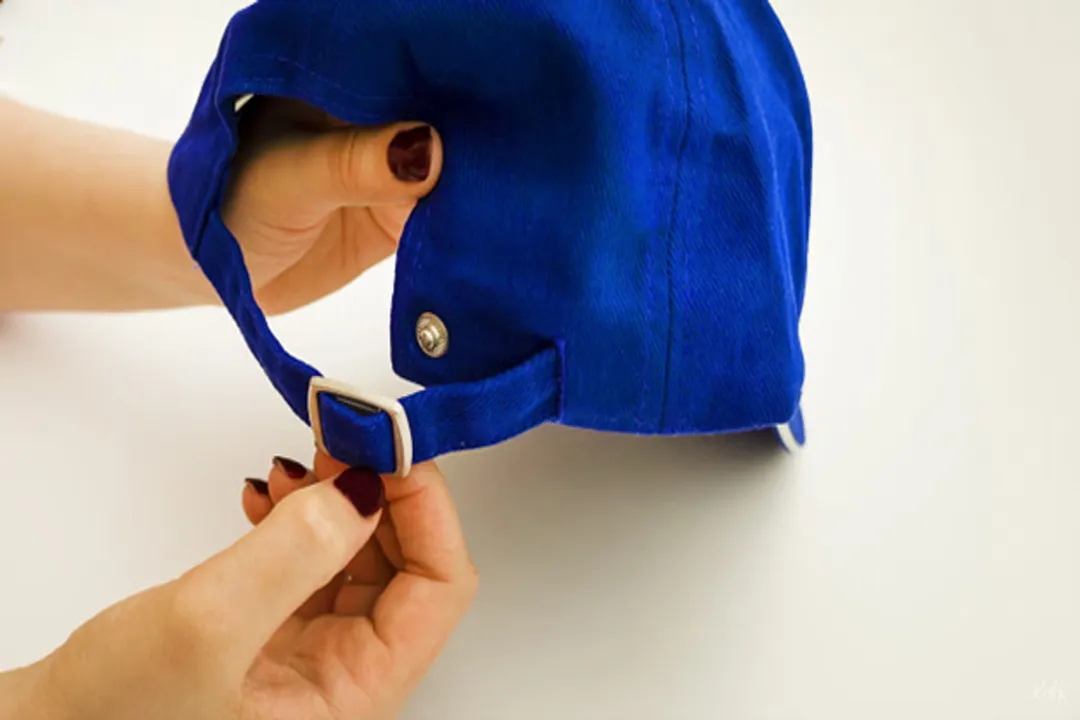
Considering the adoption timeline, a useful marker for mainstream status is the shift in terminology. When consumers stop asking for "the hook-and-loop strap" and automatically ask for a "Velcro strap" for a generic backpack, the brand has achieved cultural saturation. While the patent expired decades ago, allowing generic manufacturers to enter the market, the original company’s sustained marketing effort ensured that the Velcro brand name itself remained the default mental shortcut for the entire category, securing its cultural mainstream status long after its initial patents lapsed. [5][8]
The enduring quality of the invention is its simplicity, which stands in contrast to the complex electronics of the space age it first served. [10] It is a testament to Georges de Mestral’s initial vision—a simple, elegant solution inspired by nature that successfully replaced older, more complex mechanical systems in countless applications worldwide. [2][10] Its mainstream moment wasn't a single day but rather the cumulative effect of its proven reliability across diverse fields, from the vacuum of space to the playground.
Related Questions
#Citations
History of Velcro Companies - Our Timeline of Innovation
Velcro - Wikipedia
Velcro For Clothes: a Brief History of Velcro in Fashion
The History Of Velcro In Fashion - Resident Magazine
Velcro History: How We Became Hooked On Hook & Loop
Invention of VELCRO® Brand Hook and Loop | HookandLoop.com
A Brief History of: Velcro - Time Magazine
The History of VELCRO® Brand Fasteners | MPD Hook & Loop
Our Story - Velcro Companies History