Which car brand invented ambient lighting?
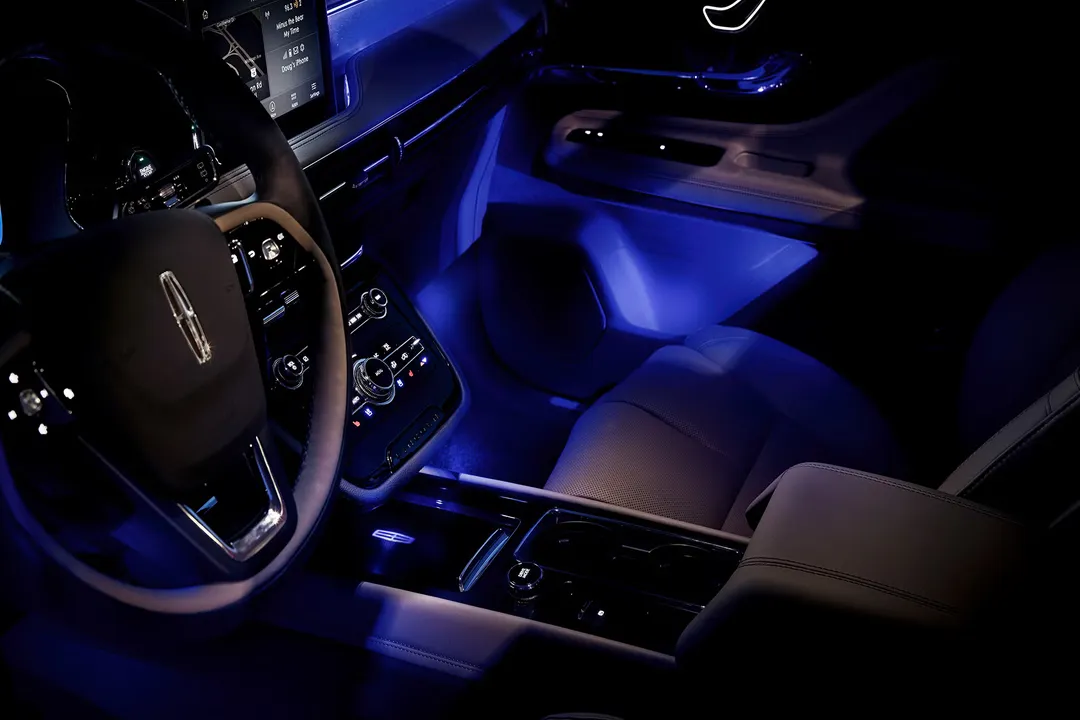
The interior glow that transforms a car cabin from a dark space into an inviting lounge or a futuristic cockpit has become a standard expectation in premium vehicles today, yet tracing its origin requires looking back at a specific moment when subtlety first replaced simple utility lighting. Pinpointing the single "inventor" of automotive interior lighting is complex, as basic dome lights have existed for decades, but the introduction of what is now recognized as true, integrated ambient lighting—designed to subtly enhance the mood and perception of space—is widely credited to one specific German manufacturer and one flagship model around the mid-2000s. This feature moved past just illuminating the floor or the glove box; it involved integrating light sources so artfully that they appeared to wash the interior surfaces gently.
# The Pioneer
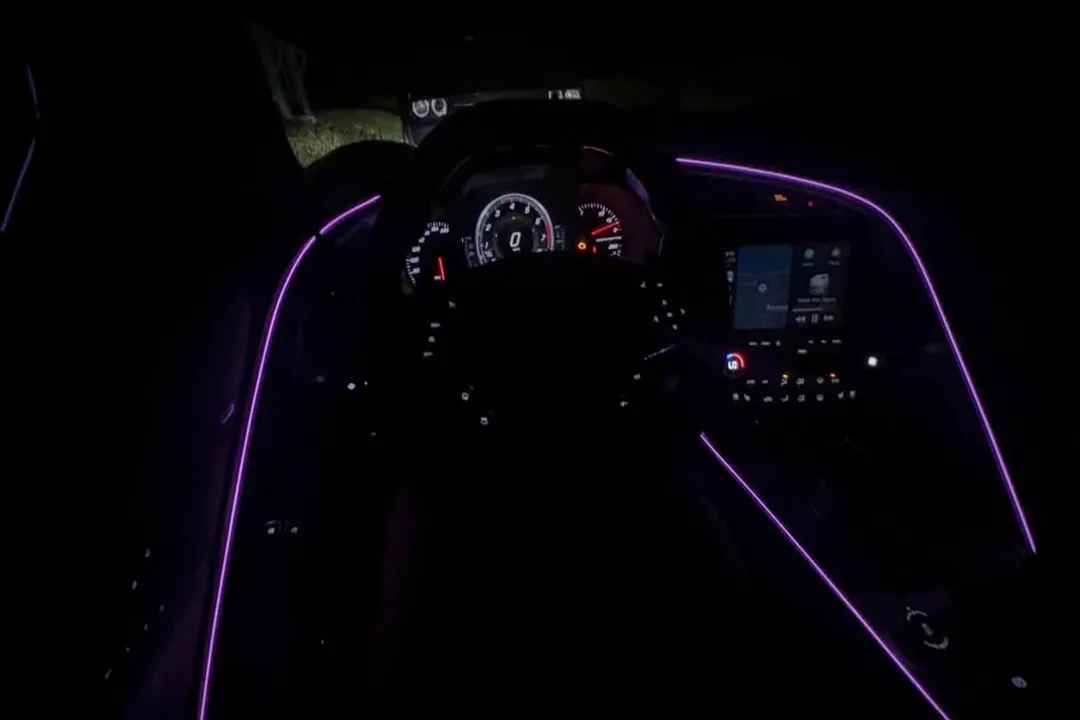
The brand most frequently cited for introducing the modern concept of ambient lighting is Mercedes-Benz. Specifically, the implementation that industry watchers often reference as the genesis point occurred in the W221 S-Class, which launched for the 2006 model year, with the technology being installed around 2005. Before this, interior illumination was primarily functional—a dome light or map light to help you find your keys or read a document. Mercedes-Benz redefined this by employing fiber-optic technology to achieve a diffused, continuous line of light, rather than harsh, direct illumination. This approach was a significant departure, marking the shift from illumination to ambiance.
# Fiber Optics Debut
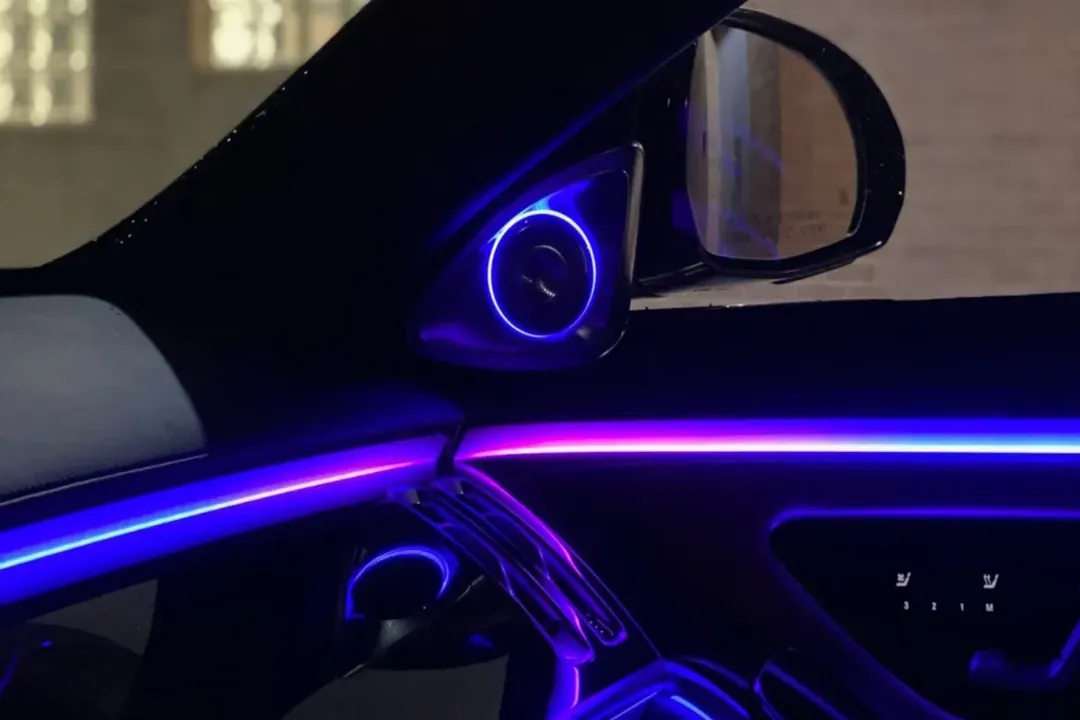
The crucial distinction in the early application of ambient lighting lies in the hardware used. Early attempts at soft interior lighting might have involved carefully shielded bulbs, but the S-Class innovation centered on the use of fiber optics. Fiber optics allow light to be carried along fine strands and dispersed evenly at the end point, creating a smooth glow without noticeable hotspots or individual light sources being visible to the occupants. This results in a sophisticated, unbroken line of color that seems to emanate from the trim itself. While modern systems heavily rely on high-density, closely packed LEDs, the initial success in making interior light feel architectural and integrated was rooted in this earlier fiber-optic method.
The S-Class implementation was not just about aesthetics; it served a practical purpose too, particularly for night driving. For instance, the sophisticated lighting in the S-Class was designed to make it easier for occupants to take in the night skies visible through the sunroof without experiencing distracting glare. This layered approach—simultaneous attention to safety, usability, and luxury ambiance—is perhaps why the concept took hold so rapidly in the premium sector. It suggested an attention to detail extending into every aspect of the occupant's experience, transforming routine driving into something more serene.
A subtle, yet important, differentiation to make when discussing this invention is the difference between indirect and direct lighting integration. When assessing an early system like the W221’s, one notices a lack of distinct "hotspots" where the light source sits, a hallmark of good fiber optic integration, which is different from early attempts that might have placed a single, brighter LED behind a diffuser panel, which often still betrayed the light source's location.

# Market Spread
Once Mercedes-Benz established ambient lighting as a desirable luxury feature in its halo car, the trickle-down effect into other segments and eventually to rival manufacturers was inevitable. Within a few years, high-end competitors recognized the feature’s appeal to discerning buyers. BMW and Audi, in particular, became prominent adopters and developers of their own versions of interior illumination. While the exact timing of their first mass-market implementations may vary slightly across model lines, the conversation around automotive interior atmosphere was permanently shifted by that initial S-Class introduction.
Today, the evolution means that what started as a relatively static, subtle accent has become highly dynamic. Current systems often feature extensive customization options, allowing drivers to select from dozens of colors or even have the lighting cycle through various hues based on driving modes or other vehicle inputs. Contemporary luxury brands, including Genesis and Lincoln, are praised for their current interpretations of ambient lighting, suggesting a competitive landscape where the focus is now on the complexity and configurability of the light show, rather than simply introducing the concept.
# Advanced Illumination Today
The modern iteration sees ambient lighting deeply integrated with the car's infotainment and driver-assistance systems. For example, some systems can use the lighting to visually signal warnings, such as flashing a specific color if a blind spot sensor detects a vehicle, effectively turning the decorative element into a secondary safety cue.
If you are evaluating a car based on its ambient lighting today, think about the zones of light, not just the color palette. A truly advanced system will have distinct, separately controllable light paths around the dashboard, door panels, footwells, and potentially even the center console. A system that only offers illumination in the footwells, for instance, is closer to the older, functional lighting concept, whereas a vehicle that bathes the entire cabin perimeter in customizable, indirect light is carrying on the tradition established by the first S-Class. This complexity means modern manufacturers have to manage power draw and heat dissipation for dozens of individual lighting elements spread across the cabin structure, a significant engineering hurdle compared to the relatively simple fiber optic runs of the mid-2000s.
The adoption curve also shows interesting regional differences. While high-end European marques standardized the feature, American luxury brands and even some mainstream manufacturers have since poured significant resources into making their ambient lighting stand out, often focusing on brightness and the sheer number of available colors to appeal to a broader consumer base. This competitive refinement has ultimately benefited every driver, pushing manufacturers to treat the cabin interior as a finely tuned environment rather than just a functional shell. It’s fascinating to note that the baseline expectation for luxury automakers in the 2020s—a full spectrum of customizable interior glow—stems from a single, relatively understated implementation two decades prior.
#Videos
Did u know ambient lighting was in Mercedes from the 2000's
Related Questions
#Citations
Which models and years did they implement Ambient lights ...
Ambient Lighting in the Mercedes-Benz S-Class Sedan ...
What was the first car to have interior ambient lighting?
A luxury car interior should make you feel special and ...
Which 2025 Mercedes Models Have Ambient Lighting?
Which Cars Have the Best Ambient Lighting? (And What Is ...
What do we think about Mercedes/ BMW style ambient ...
Which Car Has the Best Ambient Lighting?
Did u know ambient lighting was in Mercedes from the 2000's