When did traffic lights become automated?
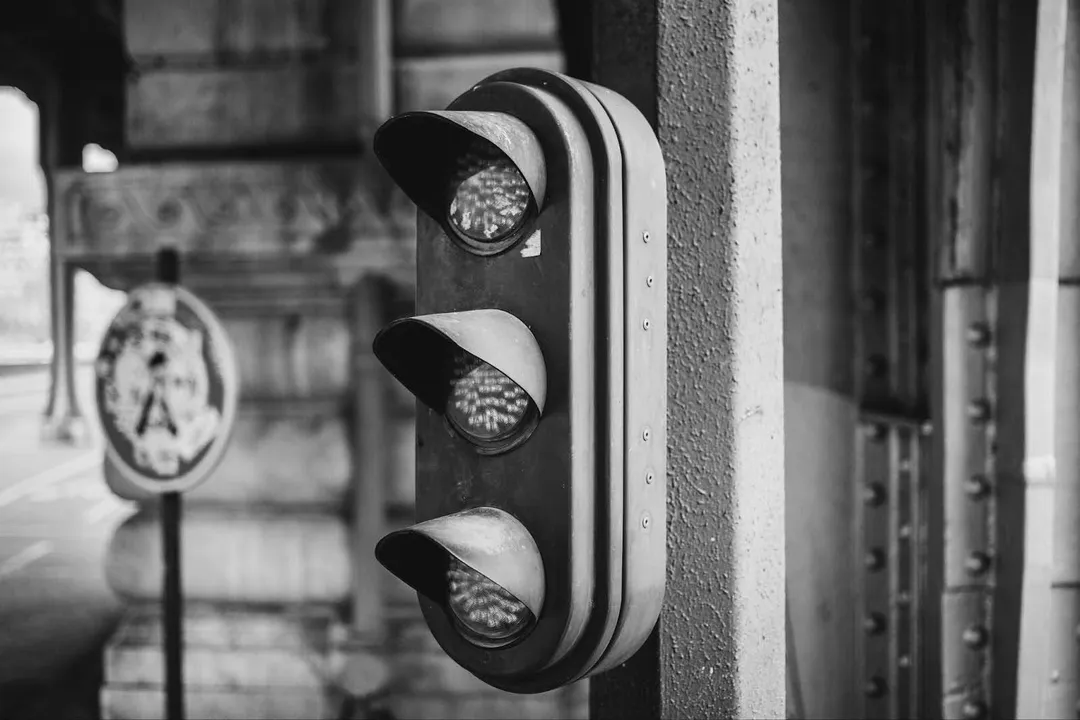
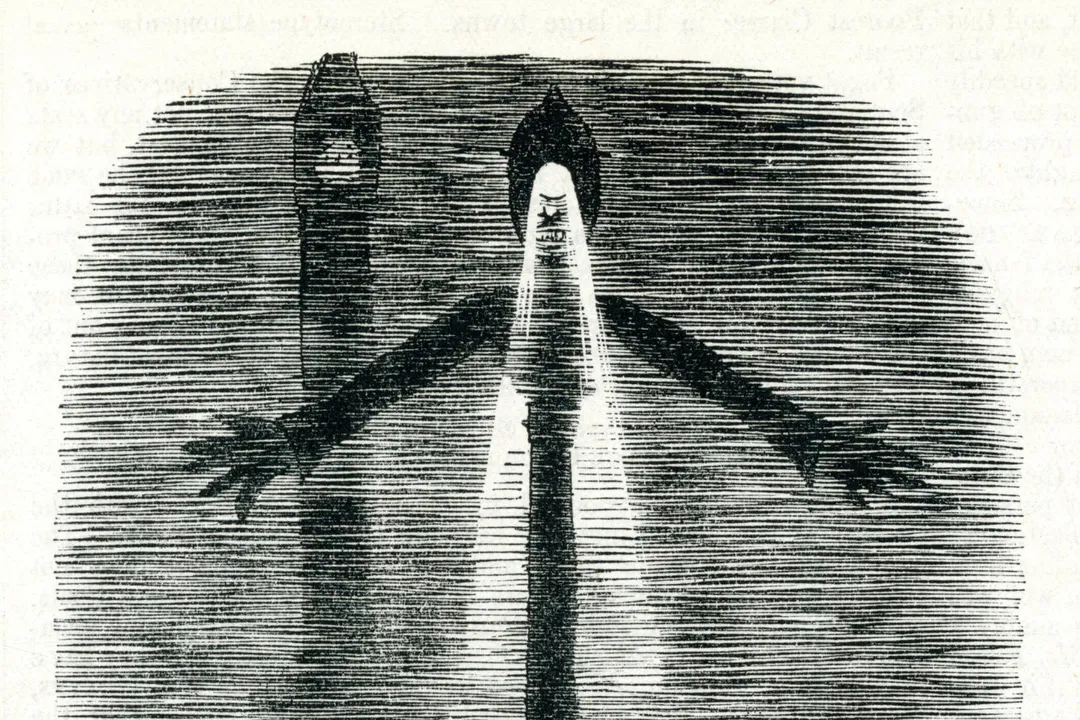
The journey to traffic signals that manage flow without human input involved several distinct technological leaps, beginning long before the familiar clicking timer became commonplace. Early attempts to control the chaos of burgeoning city traffic relied on manual labor and gas power, a setup that proved both dangerous and inadequate for growing urban centers. [1] The very first attempt to regulate road traffic using a signaling device occurred in London in 1868. [1] This precursor to the modern light, designed by railway engineer J.P. Knight, was gas-lit and operated by a police constable. [1] It used semaphore arms during the day and colored lights—red and green—at night. [1] This ambitious system, installed near the Houses of Parliament, met a swift, fiery end when a leak in the gas line caused an explosion in early 1869, injuring the constable tasked with its operation. [1] This immediate failure highlighted the inherent fragility and logistical difficulty of relying on combustion for traffic management, setting the stage for a complete redesign based on electricity. [1]
# Electric Dawn
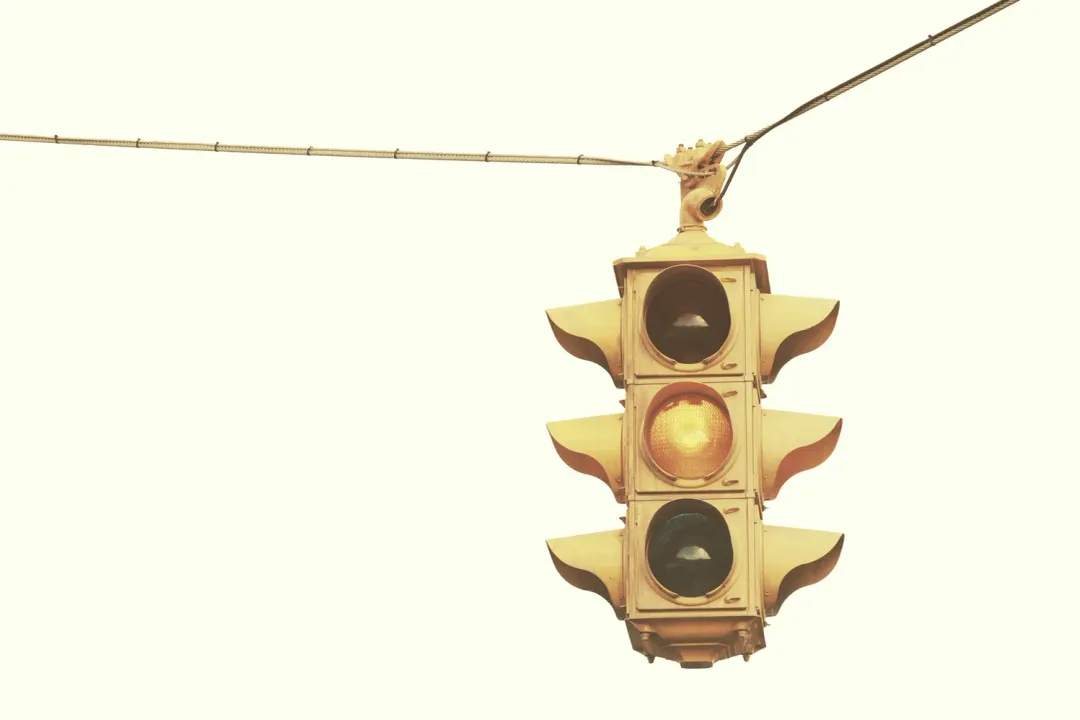
The true breakthrough that set the stage for automation was the introduction of the electric signal. [6] The milestone date often cited is August 5, 1914, when the first electric traffic signal was installed in the United States in Cleveland, Ohio. [2][5][6] This device appeared at the intersection of East 105th Street and Euclid Avenue. [2][5] While this invention marks the end of the manual, gas-powered era, it is important to understand how it operated, as "electric" does not automatically mean "automated" in the modern sense. [3]
The Cleveland installation featured two colors: red and green. [3][5] Crucially, it was controlled remotely from a police station, meaning a human operator was still actively managing the light cycles for that intersection. [3][5] It was an electrically powered signaling system, but the timing remained external and manual.
However, the concept behind the modern three-color light predates the Cleveland installation. In 1912, a Salt Lake City police officer named Lester Wire invented a four-way, three-color traffic signal system, using red, green, and white lights. [3] While Wire developed the concept, the mechanism was later patented by James Hoge in 1914. [1][3] Hoge’s system was an electrically operated, non-interconnected four-way signal, differing slightly from the two-color system installed in Cleveland that same year. [3] The simultaneous development by Wire, Hoge, and the Cleveland installation showcases a technology whose necessity was reaching a critical mass across the country, leading to near-simultaneous advancements. [3]
# The Three-Color Shift
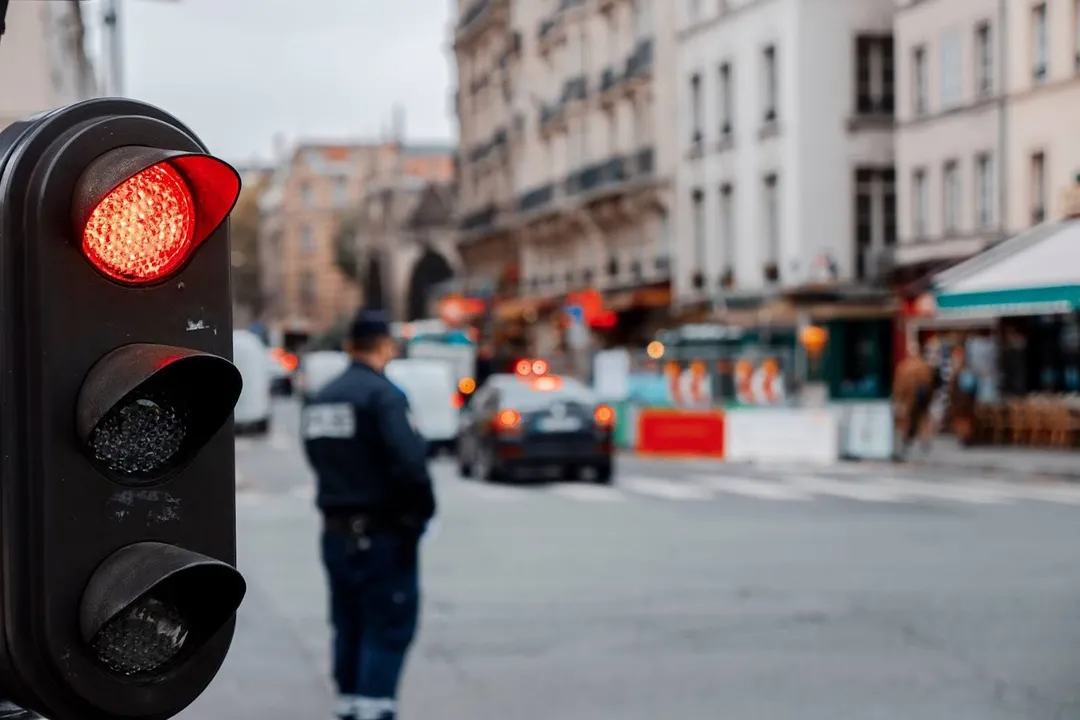
Even with the electric two-color system in place, traffic control was still rudimentary. The introduction of a third state—yellow or amber—was a significant step toward anticipating driver action and improving safety, preventing abrupt stops, and signaling intent before a change. [7][1]
Garrett Morgan, an African American inventor, is recognized for his crucial contribution in this area. [7][3] In 1923, Morgan designed and patented a T-shaped traffic signal mounted on a post. [7] His design incorporated a third arm to signal an all-stop condition, serving as a warning to cross-traffic that the signal was about to change. [7] This provided a necessary buffer period—an interval of caution—that the simple stop/go of two-color systems lacked. [7] Morgan’s design was a vast improvement in road safety, allowing traffic control devices to manage flow more smoothly than the previous binary systems. [7][3] His patent demonstrated an understanding that traffic flow management is not just about separation, but about transitional communication with the user.
# True Automation Dawns
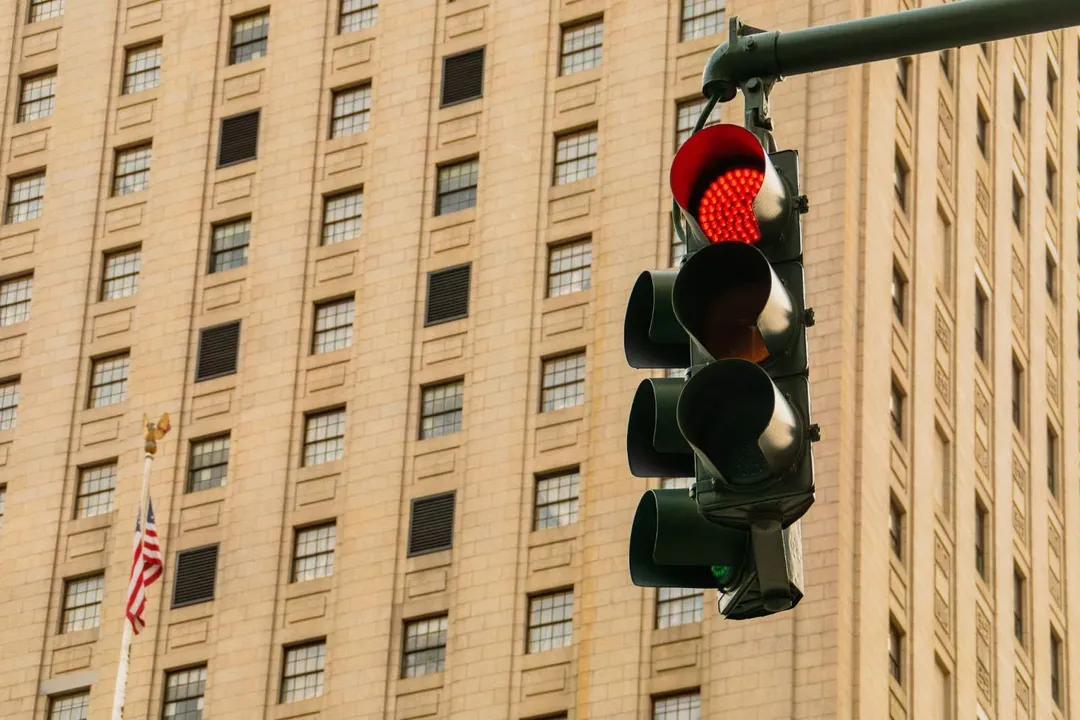
The transition from a signal that was merely electrically controlled to one that was genuinely automated—meaning it operated itself based on a set schedule or detection—is often pinpointed to the late 1920s. [1] The move from remote police control (Cleveland, 1914) to a self-regulating timer was the critical evolution that unlocked city-wide traffic efficiency. [1]
The credit for the first true, interconnected, automated system generally goes to another police officer, William Potts, in Kansas City, Missouri, in 1928. [1][3] Potts introduced a system where the lights operated on a timer without requiring direct manual oversight from a central station for every cycle. [1] Furthermore, Potts’ innovation was in making these signals interconnected. [1] This meant that as traffic flowed through one intersection, the timing at the next intersection could adjust based on the previous one’s status, allowing for "green waves" along major thoroughfares. [1] This interconnected timing is what defines functional automation in traffic control; it moved beyond simply replacing a human hand with a switch to replacing human observation and reaction with programmed logic. [1]
The impact of this shift cannot be overstated. Before Potts, even if an intersection had electric lights, a bottleneck at one location might cause traffic to back up, requiring an officer to manually override the system to clear the jam. [1] Potts' timed, interconnected system removed this point of human failure and delay, allowing traffic patterns to be engineered across several blocks simultaneously, a capability that would have been impossible with remote manual control or independent, non-communicating signals. [1]
| Year | Location | Operator/Inventor | Key Feature | Automation Level |
|---|---|---|---|---|
| 1868 | London | J.P. Knight | Gas-lit, Semaphore | Manual |
| 1914 | Cleveland, OH | Various concepts | Electric, Two-Color (Red/Green) | Remote Manual Control |
| 1923 | USA (Patent) | Garrett Morgan | Three-Position Warning | Improved Signaling |
| 1928 | Kansas City, MO | William Potts | Timed, Interconnected | Fully Automated |
| [1][7] |
Considering the rapid succession of inventions, the public perception of "automation" likely lagged behind the actual technology for some time. For many drivers in the early 1920s, an electric light was revolutionary enough to be considered the final step. [6] It took another decade for the timing mechanism—the true core of automation—to be integrated successfully and widely adopted. [1]
# Technical Maturation
The initial adoption of automated timing was not instantaneous across the board. Once Potts proved the concept of interconnected timers, the focus shifted to refining the technology to handle the increasing volume and complexity of vehicles. [1] Early automated systems used simple mechanical timers based on fixed intervals—say, 60 seconds for north/south and 40 seconds for east/west. [9] While this was a huge step up from human direction, it was inherently inefficient because it couldn't account for real-world conditions; a quiet side street might get a green light when no cars were present, while a busy main road waited its programmed turn. [9]
The real intelligence in traffic control, the kind that truly maximizes throughput, arrived much later with the incorporation of detectors. The basic automated timer of 1928 was a vast improvement over manual control, but it was still blind to the actual demand on the road. [1][9] It operated on the assumption of traffic volume rather than the measurement of it. [9] For decades following Potts' invention, the primary goal was to make the fixed timing systems more reliable and easier to synchronize across wider city grids. [1]
The move toward modern, adaptive automation—where induction loops in the pavement or cameras measure queue lengths and adjust signal timing dynamically—is a further evolution stemming from the groundwork laid by those early automated timers. [9] The fundamental transition to taking the human operator out of the loop, however, was firmly completed in Kansas City in 1928, marking the moment traffic lights became a self-governing element of urban infrastructure. [1] This establishment of reliable, timed intervals solved the immediate safety concerns caused by human error or exhaustion, creating a predictable pattern that city planners could then begin to optimize with measurement technology decades later. [3][9]
The initial reaction to these automated, timed signals must have been a strange mix of relief and confusion for drivers accustomed to human flaggers or the simple, two-light signals that still required constant policing. Imagine driving down a street where the timing was erratic because the operator was distracted, versus driving where the light always changed on the same second, every cycle—even if that cycle was momentarily inefficient. The predictability offered by the 1928 automation likely added an element of operational trust that was impossible to achieve with human-directed lights. [1] Furthermore, the sheer cost savings of removing dedicated personnel from controlling lights at busy intersections across a major city provided a powerful incentive for rapid adoption, even if the initial hardware was expensive. [1] It was an economic necessity packaged as a safety improvement.
Related Questions
#Citations
History of traffic lights
First electric traffic signal installed | August 5, 1914
Traffic signals: A brief history - Washington State Magazine
A Brief History Of Traffic Lights
On August 5, 1914, the first electric automated traffic signal ...
A 105-Year History of the Electric Traffic Signal
Safer Stop and Go: Garrett Morgan's Traffic Signal Legacy
The Birth of Traffic Signals
How the traffic light changed the world
The Evolution of the Traffic Light