Who invented the four-way automatic traffic light?
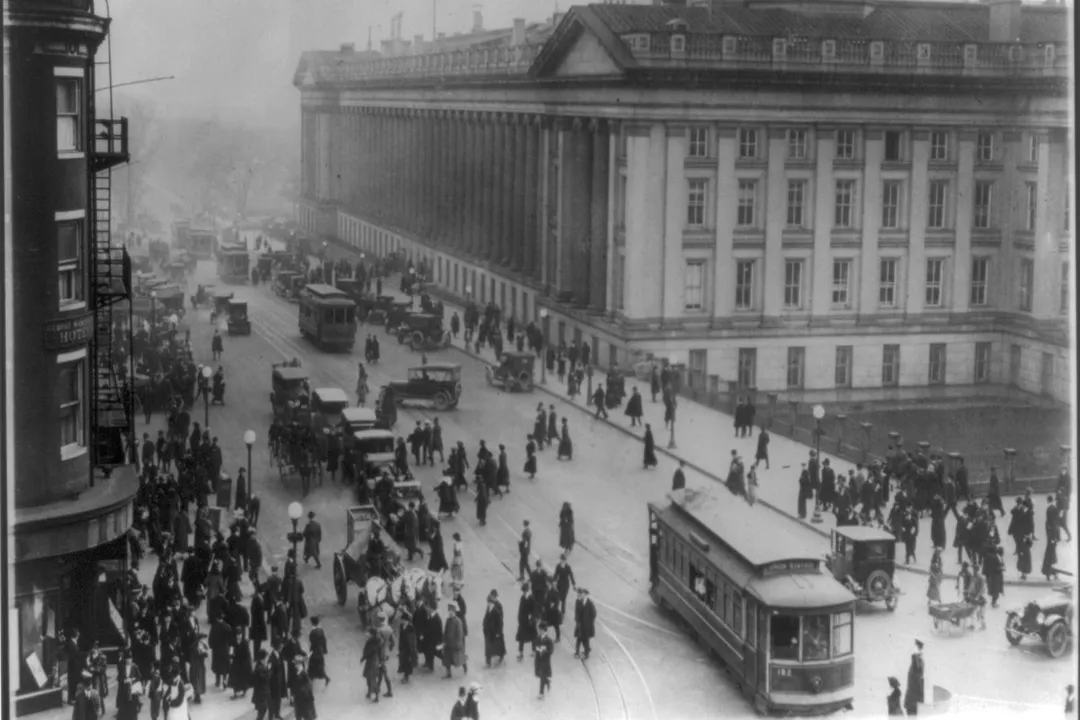
The story of who brought the synchronized, four-way automatic traffic light into existence is less about a single inventor flipping a switch and more about an evolution driven by necessity, often championed by an inventor whose contribution proved most essential for modern intersections: Garrett Morgan. [4] Before mechanical or electrical control became standard, managing the flow of traffic—even horse-drawn carriages and early automobiles—was a chaotic affair. Early solutions were primitive, relying on human authority. In major cities, police officers or crossing guards stood in the center of crossings, using hand signals to direct traffic, a system that was inherently limited by human endurance and visibility. [3][7]
# Early Control
The transition from human control to mechanical signaling began in the early twentieth century as automobiles started to proliferate on city streets. One of the earliest recorded traffic control signals was implemented in London in the 1860s, but this device was gas-lit and operated manually by a police officer. [3] It was a precursor, showing the need for mechanical assistance, but it lacked automation and safety redundancy.
The first true electrical traffic signal system in the United States was installed in Cleveland, Ohio, in 1914. [3][7] This system, often attributed to James Hoge, was a significant step forward because it removed the human element from the primary timing sequence. [3] However, this early iteration was simplistic. It typically featured only two colors: red for stop and green for go, arranged vertically. [3] While electric, it did not possess the sophistication needed to handle complex, four-way intersections safely, nor did it include the crucial intermediary signal we now rely upon.
# Morgan's Vision
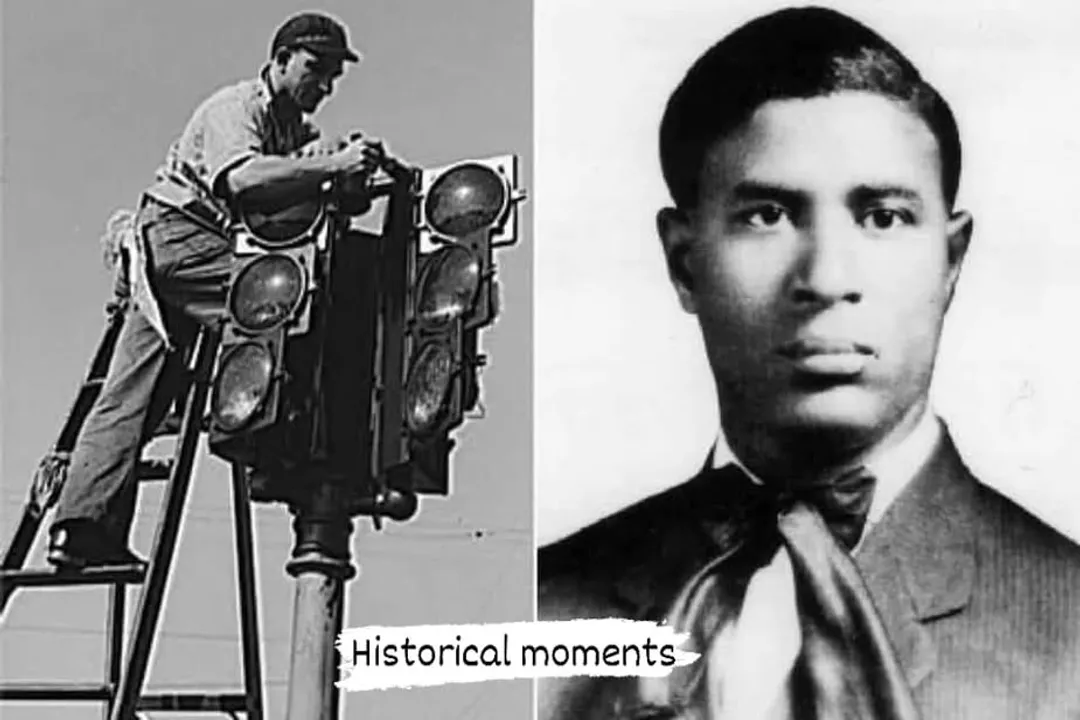
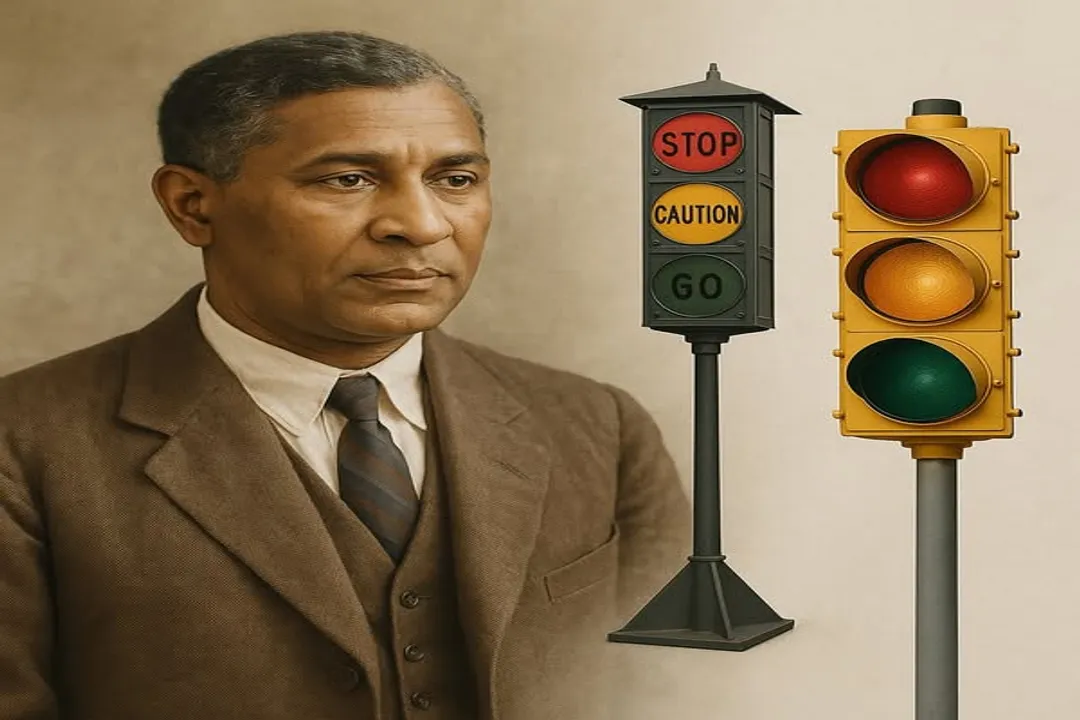
The leap from a two-color, two-way signal to the reliable, multi-stage control required for busy, four-way crossroads is where the work of inventor Garrett Morgan becomes central to the narrative. [1][4] Morgan, an African American inventor already known for innovations like an early safety hood (a precursor to the gas mask), [4] turned his attention to the growing danger of traffic collisions at intersections. [1] He recognized that the primary hazard wasn't just cars running red lights, but the ambiguity of movement when drivers were trying to turn or proceed simultaneously.
Morgan’s key insight, which dramatically improved upon existing technology, was the necessity of a warning or caution stage between stopping and starting. [1][4] This concept directly led to the three-position traffic signal. In 1922, Morgan applied for a patent for his improved traffic signal device, which was granted in 1923. [1]
# Three Position Device
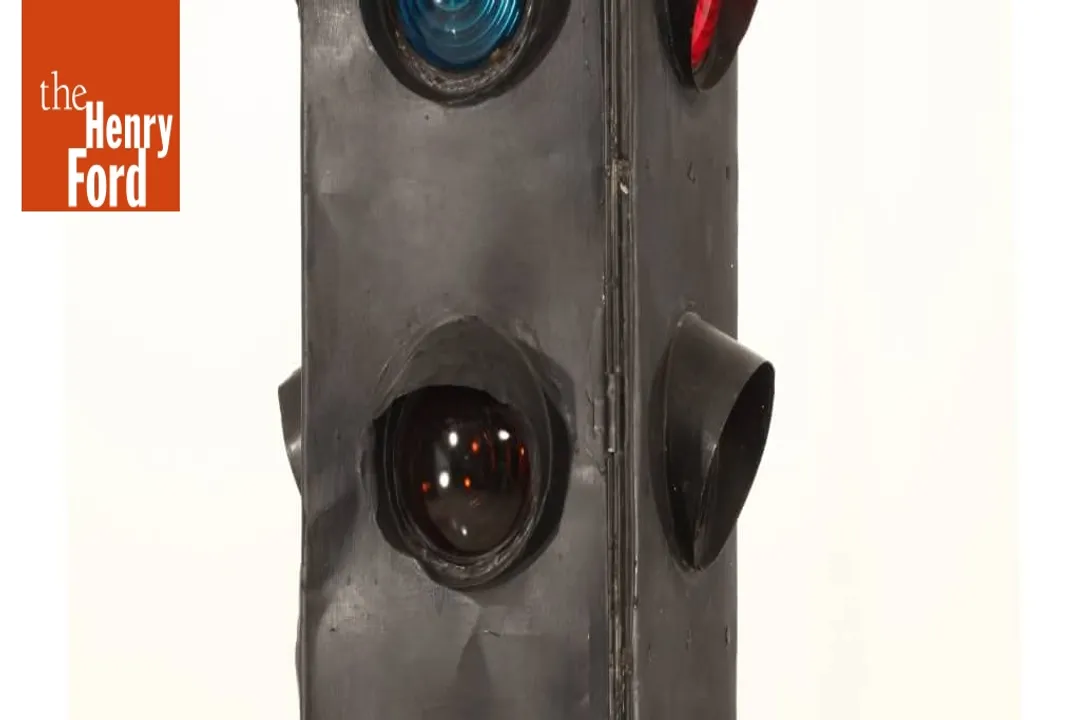
The device Morgan patented was quite distinct from the simple vertical lights seen previously. [1] It took the form of a T-shaped pole that could be mounted high above an intersection. [1] This structure featured signals in three distinct positions: stop, go, and, most importantly, a universal warning signal—an all-stop indication. [4] This all-stop phase was revolutionary because it created a brief interval where all traffic directions were required to halt, clearing the intersection entirely before the next direction was signaled to proceed. [1] This design was crucial for preventing the collisions that occurred when drivers moving in opposite directions tried to turn simultaneously across each other's paths.
Morgan's invention provided the operational logic for modern traffic control at an intersection. While the physical lights might have evolved—for instance, the amber light eventually becoming the standard caution signal—the sequence and the concept of a controlled warning period stem directly from his patented mechanism. [4]
This focus on operational sequence over mere illumination provides a critical distinction. The four-way automatic light wasn't just about putting lights on four corners; it was about implementing a safe, automated sequence for all four directions. [1] Morgan's mechanism provided that sequence. We can observe a historical pattern here: a successful innovation in safety technology often happens when an inventor combines existing components in a novel arrangement to solve a specific, observed failure mode. In this case, the failure mode was drivers misinterpreting or having insufficient time during the transition between green and red. Morgan's patented structure directly addressed this transition period. [1]
# Selling Innovation
The path from patent to widespread public implementation often involves massive infrastructure investment, which inventors rarely handle themselves. In Morgan's case, he sold the rights to his traffic signal technology to the General Electric (GE) Company for a substantial sum of $40,000. [1][4] Considering the early 1920s context, this was a considerable amount of money, reflecting GE's recognition of the invention's vast commercial and public safety potential. [1]
It is interesting to consider the speed of this transaction. Morgan secured the patent and quickly sold the rights within a short period. This rapid capitalization on safety technology highlights a historical moment where infrastructure development was accelerating quickly, making established corporations eager to absorb proven solutions rather than develop them in-house. [4] Contrast this with modern standards development, where new traffic control technologies can take years to pass through federal and state approval boards before widespread deployment.
# System Maturity
Once GE acquired the technology, they began manufacturing and installing modernized versions based on Morgan’s three-position concept. While GE's deployment standardized the look and feel, the underlying principle remained Morgan's: a sequence ensuring safety through clear communication, including that essential pause time. [1]
The complete four-way automatic system as we recognize it today solidified when the transition from the "all-stop" warning signal to the flashing amber/yellow caution light became the norm. The modern cycle is often thought of as Green Yellow Red, followed by the next direction's Green. In many early systems, the transition from Red to Green wasn't immediate; there was a brief period where all signals were red, mirroring the function of Morgan’s initial warning concept. [3] The four-way automation simply means the timing is controlled electrically, without a human operator manually changing signals at each corner, a capability Morgan’s mechanism was designed to enable. [1]
A useful way to visualize the evolution in complexity is through this comparison:
| System Stage | Key Feature | Inventor/Era | Primary Limitation Solved |
|---|---|---|---|
| Manual Control | Human Flagman | Pre-1914 | Human error, fatigue |
| Two-Color Electric | Red/Green Only | Cleveland, 1914 | Need for mechanized timing |
| Three-Position Control | Introduction of Warning | Garrett Morgan, 1923 | Ambiguity during signal change |
| Full Automation | Timed Sequencing | Post-GE Adoption | Inefficient flow at complex intersections |
The sheer economic incentive for reliable automation cannot be overstated. Imagine a busy downtown intersection in the 1920s handling hundreds of vehicles per hour. If Morgan's patented warning cycle could reduce the frequency of crashes—even minor fender-benders—by even 10 percent, the financial savings in repair costs and lost productivity for an entire city would have been immense. This rapid financial justification is likely why GE paid such a high price; they weren't just buying a lightbulb system, they were buying a proven traffic management solution. [1]
# Final Thoughts on Ownership
While credit for the first electric light in the US often goes to the 1914 Cleveland setup, the invention that established the operational standard for safe, automated control at four-way intersections—the standard that informs virtually every traffic light today—is firmly rooted in Garrett Morgan's 1923 patent. [1][4] He solved the problem of how the lights should talk to each other and to the drivers during the critical moments of change, which is what defines a truly "automatic" and effective system.
The progression from gas lamps to human control, to simple red/green electricity, and finally to the three-stage warning system developed by Morgan shows a clear path of increasing sophistication aimed squarely at safety. [3][4] While later engineers refined the timing mechanisms, sensors, and networking to create the hyper-efficient, adaptive lights of the 21st century, the foundational principle that allows four separate flows of traffic to safely intersect one another was established by Morgan's dedicated work to prevent accidents. [1]
#Videos
The Man Behind The Traffic Signal - YouTube
Related Questions
#Citations
Safer Stop and Go: Garrett Morgan's Traffic Signal Legacy | FHWA
Garrett Morgan: Inventor Who Changed Traffic Safety
History of traffic lights - Wikipedia
Garrett Morgan: Inventor of the Three-Position Traffic Signal
Who Invented Traffic Lights? The Story of John Peake Knight - LYT
The Ingenious Way Traffic Lights Worked Before Computers Were ...
The Man Behind The Traffic Signal - YouTube
First Tri-Color, Four-Directional Traffic Signal, 1920 - The Henry Ford