When did gas-powered cars become popular?

The early years of the automobile resembled a chaotic, high-stakes race where several propulsion technologies jostled for public acceptance, and the internal combustion engine, now entirely dominant, was far from a guaranteed victor. To truly understand when gas-powered cars became popular, one must first recognize that for a significant stretch of time, they were actually in the minority. The landscape at the turn of the 20th century was a surprising mix of steam, electricity, and gasoline, with the latter sometimes trailing its rivals in sales and adoption. [1][9]
# The Three Power Sources
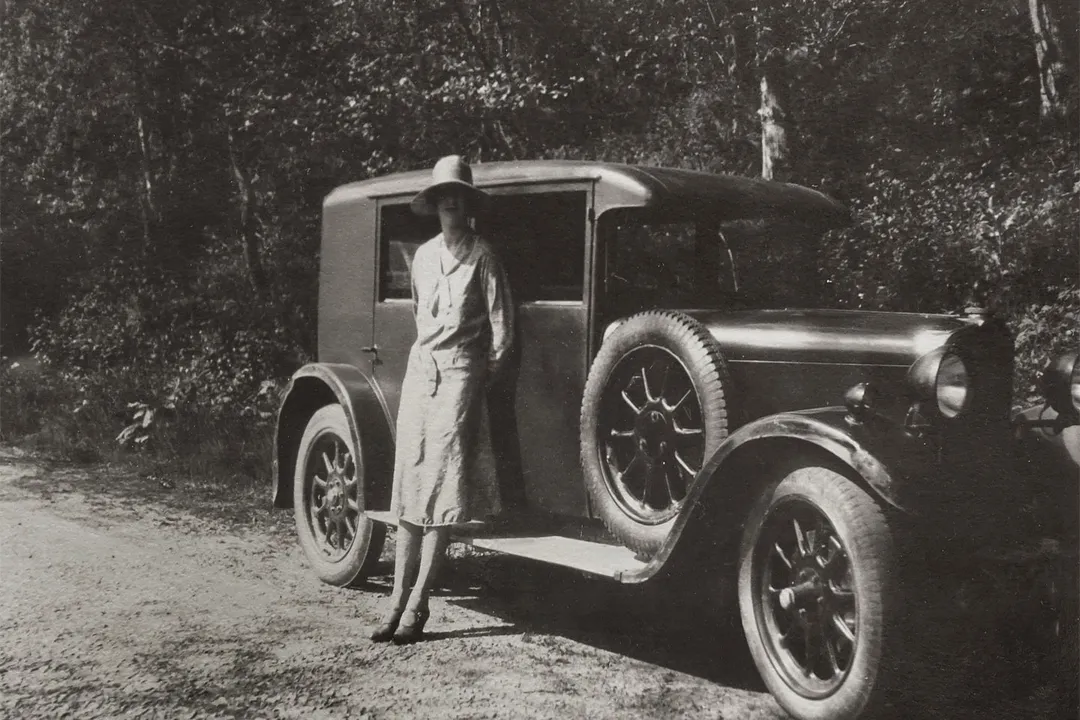
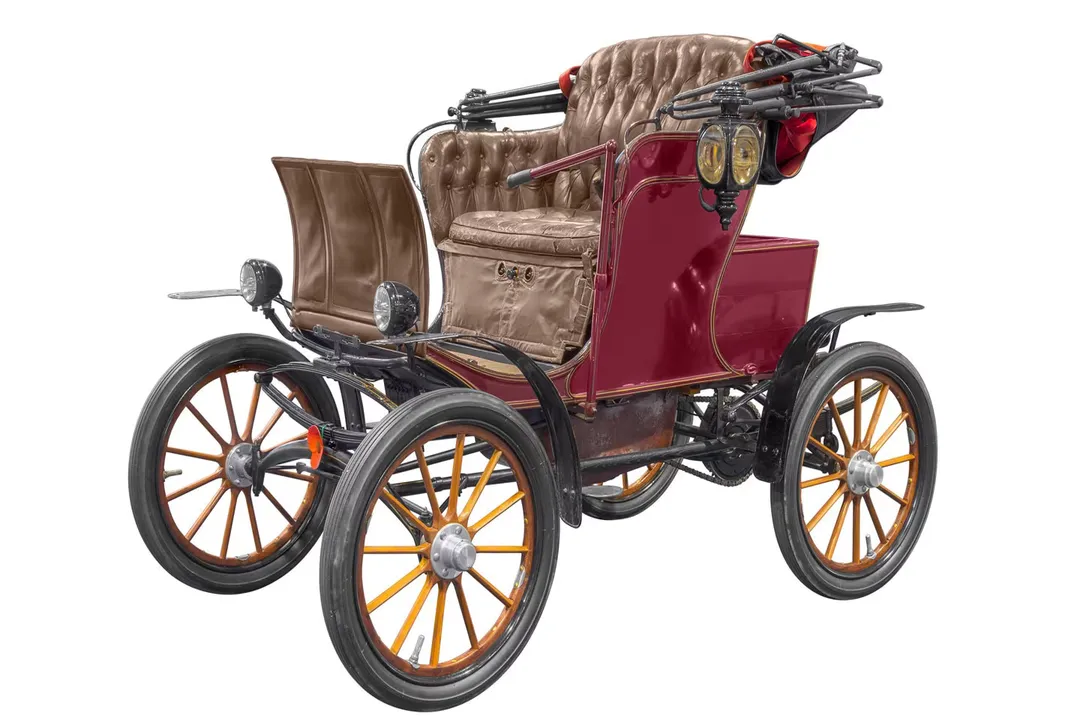
Automobiles developed from a few distinct starting points, creating a diverse initial market. [9] Steam-powered vehicles offered immediate power and quiet operation, though they required significant time to build up pressure before being ready to drive. [1] Electric cars, meanwhile, were clean, silent, and easy to start, appealing strongly to urban drivers who valued convenience over long distances. [1] Gasoline engines, on the other hand, possessed the inherent advantage of greater potential range compared to the battery limitations of the electric vehicles of the day. [1]
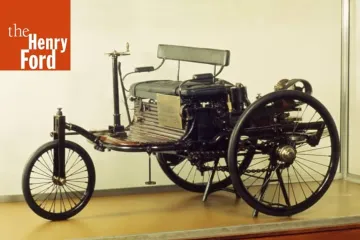
The development of the engine itself precedes the widespread adoption of the car. The four-stroke engine, a fundamental component of modern gasoline vehicles, was patented by Nikolaus Otto in 1876. [4] This technology paved the way for Karl Benz to introduce his three-wheeled Patent Motorwagen in 1886, often credited as the first practical automobile. [4] Despite this early mechanical success, the initial consumer market was fragmented.
# Market Share Surprise

Looking at the numbers from the year 1900 reveals a market heavily weighted against gasoline power. In North America during that time, gasoline-powered cars accounted for only about 22% of the vehicles on the road. [6] This small percentage was significantly outnumbered by the competition. Steam cars held a substantial segment, capturing roughly 40% of the market, while electric vehicles were right alongside them, making up about 38% of the North American fleet. [6] This data shows a clear picture: for the first few years of the 20th century, electric and steam cars were, by sheer numbers, more popular than their gasoline counterparts. [1]
If one were setting up a business in 1905 focused on automotive support, relying solely on gasoline infrastructure would have been a mistake; a mechanic would have needed expertise in managing boiler pressure or battery acid just as much as they needed to understand carburetor tuning. The early American commuter likely had more neighbors driving quiet electric runabouts than noisy, fume-producing gasoline machines. [1]
# Fueling the Machine
The convenience of operating a vehicle is intrinsically tied to the ease of refueling, and this presented a major hurdle for early gasoline car owners. Unlike today, there was no established network of service stations ready to meet demand. [8] Where did these early adopters, driving their 22% share of the market, actually get their necessary fuel?
In many communities, gasoline was not yet a common commodity sold alongside other staples. Instead, owners often sourced their fuel from local apothecaries or drug stores. [3] Imagine stopping at the corner pharmacy not for aspirin, but to purchase a gallon of volatile liquid that needed to be carried home in specialized cans. [3][8] Some sources suggest that early owners sometimes had to mix the fuel themselves or rely on local shops that dealt in kerosene, from which gasoline was initially a less refined byproduct. [3][8] This required a degree of self-sufficiency and patience not typically expected of modern drivers. Kerosene was historically the primary product of early refining operations, and gasoline, being lighter, was initially viewed as a less valuable, sometimes even troublesome, component of the crude oil distillation process until the automotive demand shifted this perception. [5]
# Why Gasoline Won
The tipping point toward gasoline popularity wasn't driven by a single breakthrough in engine design, but rather by the gradual accumulation of practical advantages that steam and electric power struggled to match. [1]
# Range and Refill Speed
The most critical factor appears to have been range and the time required to "refuel". [1] Electric vehicles, while excellent for short trips, were severely limited by battery technology; recharging took many hours, effectively tethering them to the owner's garage or a very limited local area. [1] Steam cars, while capable of covering long distances once running, suffered from the long waiting period needed to build up steam pressure before departure. [1]
Gasoline cars, however, could cover more ground between stops, and when they did need fuel, a refill took mere minutes, not hours. [1] This speed of replenishment offered an immediate, tangible benefit for anyone looking to travel more than a few miles from home.
# Manufacturing Impact
Another critical shift came from manufacturing efficiency. While early electric cars were often marketed as luxury items—simple to operate and free of the hand-crank starting danger associated with early gas engines—their cost remained high. [7] The widespread adoption that defines "popularity" often hinges on affordability and accessibility, areas where the gasoline-powered automobile eventually excelled. The introduction of mass-production techniques, most famously by Henry Ford, dramatically reduced the cost of gasoline vehicles, putting them within reach of the middle class rather than just the wealthy elite. [7] This economic reality, more than any mechanical superiority alone, drove the transition away from niche technologies.
# Fuel Availability Maturation
As more gasoline cars hit the road, the market responded, which created a positive feedback loop for the technology. The growing demand forced the nascent petroleum industry to evolve beyond simply producing kerosene for lamps. [5] Refineries began to optimize their output for gasoline, improving quality and increasing supply. [5] This, in turn, led to the development of dedicated roadside filling stations rather than relying on neighborhood pharmacies. [8] This standardization of fuel availability removed a major practical barrier to ownership for the average buyer.
It's interesting to note that the very characteristics that made early gasoline engines undesirable—noise, vibration, and the need for manual cranking—were largely accepted as necessary evils by early adopters, provided the vehicle could reliably cover long distances. A driver enduring a difficult crank-start on a cold morning was likely making a calculation: I will endure this minor struggle now because I know I can drive fifty miles without needing an overnight wait for energy replenishment. This mindset reveals a consumer prioritization that favored utility over pure convenience in that era. [1]
# The Inevitable Ascent
By the time World War I approached, the dominance of the internal combustion engine was largely secured, marking the true moment gas cars became popular—not just numerous, but the default expectation for personal, long-distance travel. [7] Steam and electric vehicles, though they continued to evolve, settled into specialized niches or faded from the mainstream landscape entirely. [1] The evolution of the automobile showed a clear path: early competition, followed by a practical winner whose success was ultimately cemented by economic scaling and improving infrastructure. [7][9] The legacy of that early struggle means that the initial success of the gasoline car wasn't simply about better technology, but about better logistics—the ability to quickly acquire the energy needed to continue moving.
Related Questions
#Citations
EVs Were Outselling Gas Cars 100 Years Ago | TomTom Newsroom
When did gas cars become popular? - Quora
When Gasoline-Powered Cars Were First Used, Where Did They ...
History of the internal combustion engine - Wikipedia
History of gasoline - U.S. Energy Information Administration (EIA)
TIL in 1900 38% of cars on in North America were electric (steam ...
Energy Use and the Internal Combustion Engine
How did early adopters of the automobile fill up their cars?
The Evolution of Automobiles – Technology: Where it Started and ...