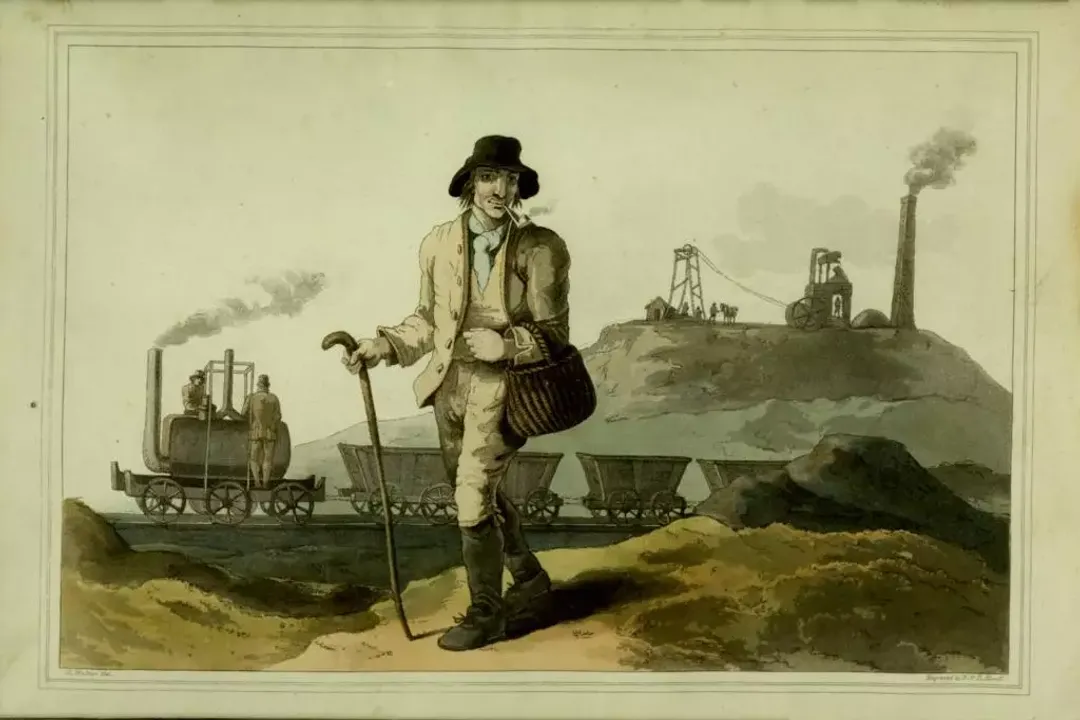
What mechanism caused the inherent energy waste in Thomas Newcomen's atmospheric engine design?
Reheating the entire massive cylinder with fresh steam after every condensation stroke
The fundamental inefficiency in the Newcomen atmospheric engine stemmed from the necessity of its operation cycle. After steam lifted the piston, a jet of cold water was injected into the main cylinder to condense the steam rapidly, creating the vacuum required for the atmospheric pressure to drive the pump downward. This condensation process meant that the cylinder walls were alternately subjected to extreme heat from incoming steam and then sudden cooling from the injection water, requiring vast amounts of fuel on every single stroke just to reheat the cylinder walls rather than performing useful work. This constant thermal cycling conducted significant heat away from the working steam, making the machine incredibly thirsty for coal.