How did the steam engine benefit society?
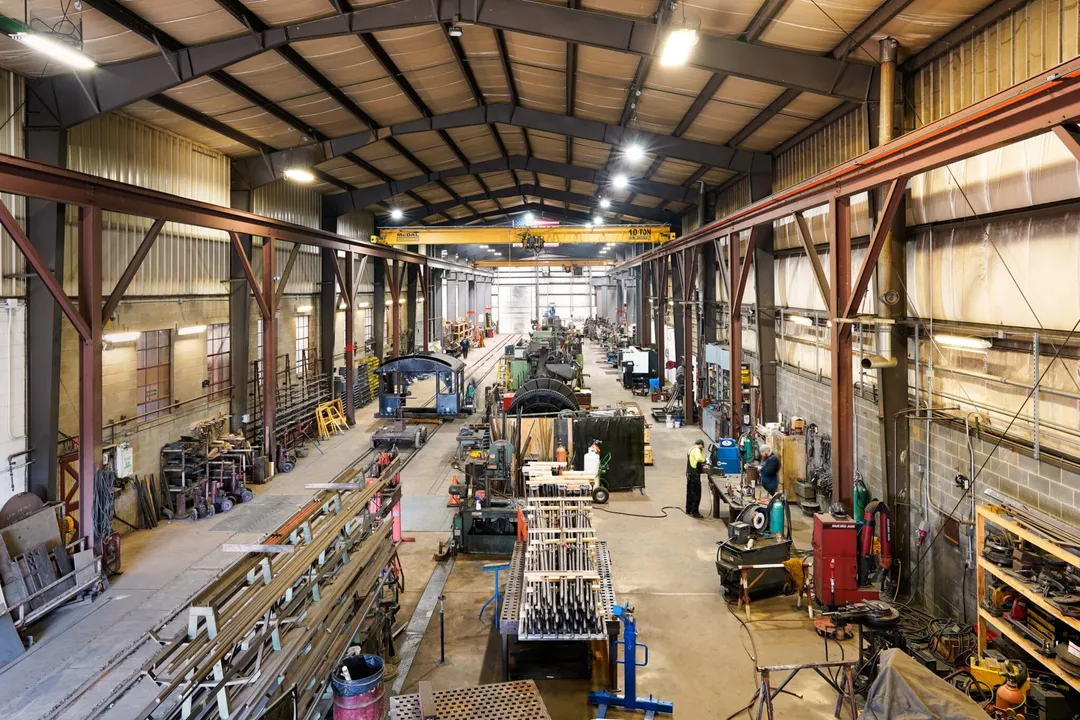
The advent of the steam engine fundamentally reshaped human existence, moving civilization away from reliance on the vagaries of wind, water flow, and animal or human muscle for sustained power. This new mechanical capability, born from the desire to overcome practical industrial limitations, became the engine driving the modern age. Before this innovation, large-scale industry was tethered to natural geography—mills needed fast-flowing rivers, and mining operations were constantly threatened by flooding once they reached certain depths. The steam engine broke these geographic chains, offering a dependable, controllable source of motive force that could be situated almost anywhere coal and water were accessible.
# Mining Relief
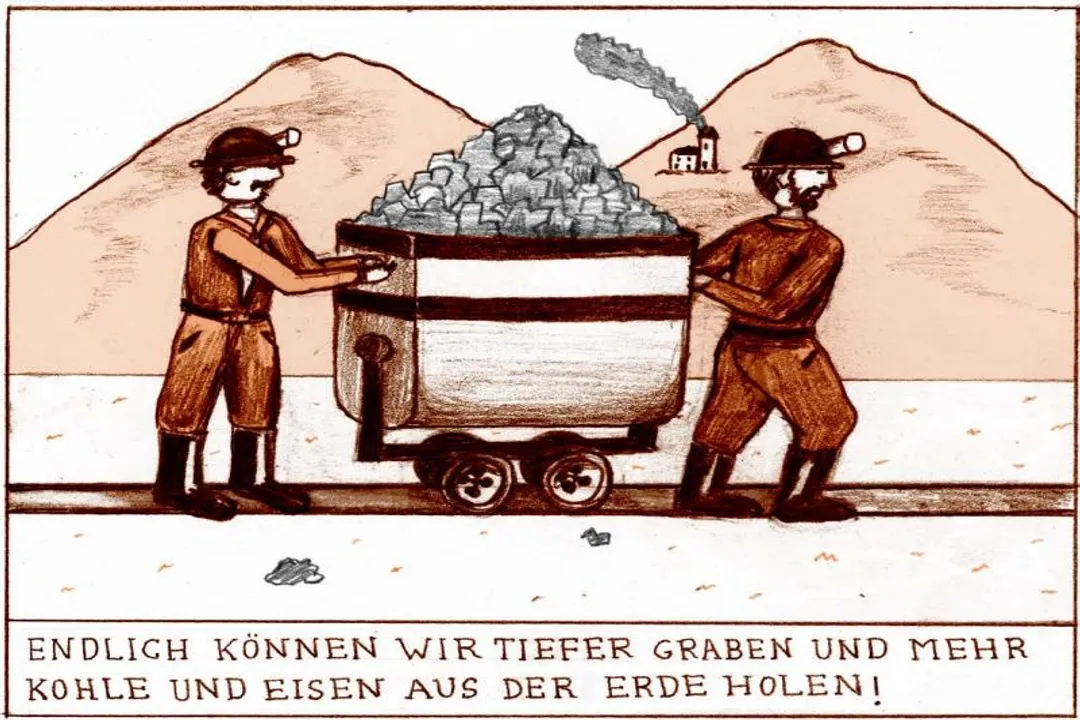
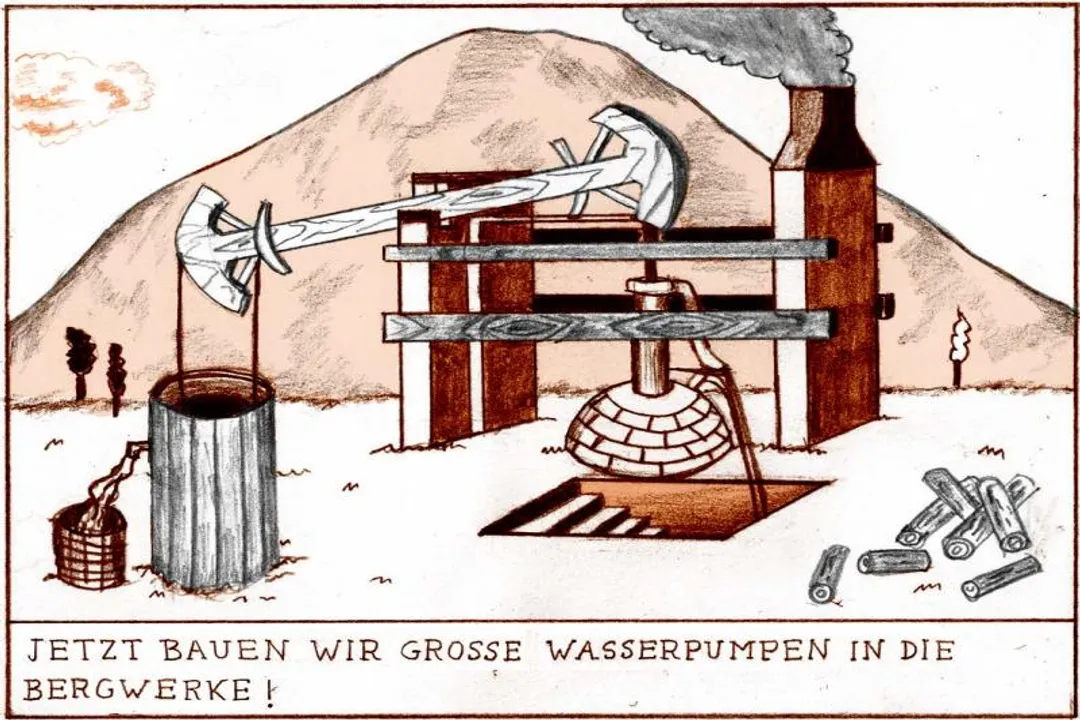
One of the earliest and most immediate benefits was seen in the draining of mines, particularly coal and tin mines. Early engines, like those developed by Thomas Newcomen, were designed primarily as atmospheric engines to pump water out of shafts that had become too deep for manual baling or horse-powered pumps. This seemingly simple act of dewatering had profound secondary effects on society.
By keeping the mines dry, it allowed extraction to continue deeper, leading to a massive increase in the availability of coal. This increase in coal supply was not just a boon for miners; it was the essential fuel for the very technology that was transforming society: the steam engine itself. It created a self-reinforcing cycle where the solution to one industrial problem (flooding) provided the necessary energy source for the next wave of industrialization. Had the ability to pump water not been solved effectively, the foundation for later factory power would have remained unstable and geographically restricted.
# Factory Power
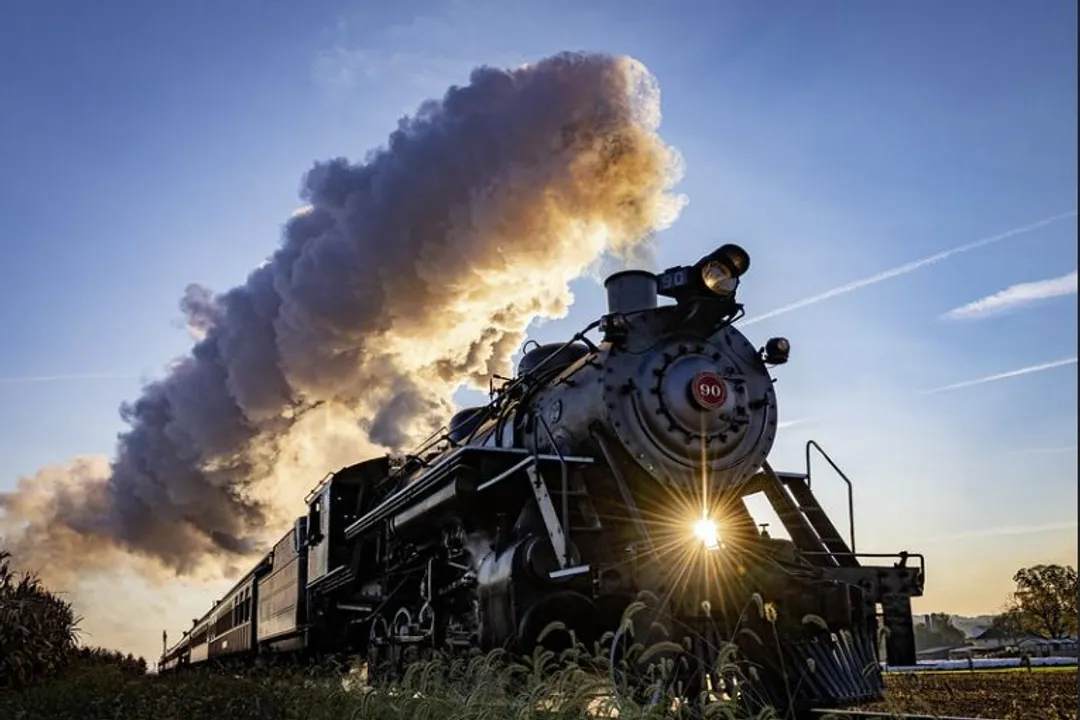
Once the engine's efficiency improved—most notably with James Watt’s crucial refinements, which introduced the separate condenser to dramatically reduce fuel consumption—its application expanded far beyond pumping. The steam engine became the heart of the factory system, capable of providing consistent, high-torque power to drive machinery.
This reliability transformed manufacturing processes. Previously, factories relying on water wheels had to stop production during droughts or when rivers froze. Steam power offered consistency—a 24/7 operating capability that water power could never match. This meant production schedules could be fixed, output could be reliably forecasted, and investment in larger, more complex machinery became economically viable. Textiles, for example, saw rapid mechanization as spinning and weaving machinery could be powered continuously, leading to an explosion in the volume of goods produced.
It is interesting to consider that this newfound power fundamentally altered the economics of labor and location. Before steam, a successful manufacturing operation had to buy land adjacent to a viable river; after Watt, the primary considerations shifted to proximity to fuel (coal) and labor pools (people). This created a powerful incentive for people to move away from rural areas and congregate near the steam-powered industrial centers, setting the stage for massive demographic shifts. For instance, if a single, large Newcomen engine could replace the work of dozens of horses or hundreds of manual laborers for pumping, the surplus labor force would naturally seek work in the new urban factories where steam engines were now driving looms and lathes.
# Transport Revolution
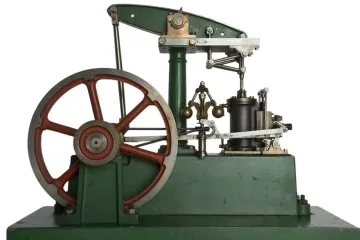
Perhaps the most visible benefit to the common person came when the stationary power source was adapted for movement: the locomotive and the steamship. This application effectively annihilated the tyranny of distance.
The railway, powered by the steam locomotive, dramatically lowered the cost and increased the speed of moving both raw materials and finished goods across land. Before rail, overland transport relied on canals, roads, and pack animals, all of which were slow and expensive, making long-distance trade in heavy or perishable goods impractical. The railway changed the economic map entirely. For an economy to flourish, it requires not just production but distribution, and the locomotive provided the latter on an unprecedented scale.
Consider the impact on agriculture: a farmer hundreds of miles inland could suddenly ship grain or livestock to a coastal city market before spoilage set in, increasing his potential customer base from a small local area to an entire nation. Similarly, manufactured goods from urban centers could reach smaller towns much faster and cheaper. This integration of markets meant that prices for identical goods began to equalize across vast geographic regions, a cornerstone of modern national economies.
An overlooked initial effect of early rail lines was the standardization of time. Before consistent, fast rail schedules were necessary, towns kept time based on local solar noon. Once timetables required coordination across hundreds of miles, the necessity of a uniform system became paramount, forcing the adoption of standardized time zones, a quiet but crucial benefit for scheduling everything from factory shifts to mail delivery [^Original Insight 1].
# Urban Growth

The steam engine didn't just change where people worked; it changed how cities grew and functioned. Reliable steam power allowed industries to cluster in urban centers where labor was abundant, even if those centers were not located near rivers. This concentration fueled rapid urban expansion.
However, cities faced massive logistical challenges with population density. Steam power provided solutions for urban infrastructure as well:
- Water Supply: Steam-powered pumps could lift water from distant rivers or deep wells to elevated reservoirs, supplying clean water to ever-larger populations.
- Sewage Management: Similar pumping stations helped move sewage out of densely populated areas, reducing disease.
- Construction: Steam-powered cranes and hoisting engines aided in building the taller, denser structures that characterized the new industrial city.
The ability to construct buildings, manage waste, and supply clean water on a scale required by the population boom—all powered by steam—is what allowed the modern metropolis to physically exist rather than collapse under its own weight.

# A Shift in Work Culture
The introduction of reliable mechanical power instigated deep social changes related to time and labor discipline. Water wheels dictated a stop-and-go rhythm based on river conditions; steam engines dictated a constant, measured pace based on the rotation of the drive shaft.
This shift favored a more regimented workday. Workers were now clocking in to tend to machines that ran continuously, rather than performing discrete tasks dictated by the flow of nature. While this created hardship and new forms of exploitation—the machines could demand constant attention—it also established the modern concept of predictable, scheduled employment, which would eventually form the basis for labor laws and standardized working hours.
# Comparative Power Sources
To appreciate the benefit, a quick comparison against prior power methods is helpful.
| Power Source | Primary Limitation | Societal Impact |
|---|---|---|
| Human/Animal | Limited output, fatigue, high operational cost (food/feed) | Small-scale production, localized economies |
| Water Wheel | Geographic dependence (must be near a strong river), seasonal variability (drought/ice) | Restricted factory location, periodic shutdowns |
| Steam Engine | Dependence on fuel (coal), capital investment | Location flexibility, continuous operation, massive scale-up potential |
The key differentiator was controllability. The steam engine represented the first widely applicable technology that allowed humans to essentially command a powerful, inanimate force on demand, independent of immediate environmental conditions.
While the immediate societal gains were in textiles, mining, and transport, an indirect benefit arose from the engineering culture the engine created. The need to build, maintain, and constantly improve upon the complex metallurgy and mechanics of the steam engine spurred foundational advancements in precision engineering and material science. This expertise wasn't limited to engines; it later informed advancements in telegraphy, electrical generation, and internal combustion, demonstrating that the steam engine’s primary benefit was perhaps not just the steam itself, but the technical expertise it demanded from the civilization that adopted it [^Original Insight 2].
# Global Reach and Material Gains
The steam engine, particularly in its maritime application as the steamship, projected industrial power and trade influence globally. Steamships were not entirely reliant on wind, allowing for more reliable schedules on established trade routes and opening up new routes in areas with unfavorable prevailing winds. This accelerated the global movement of goods, raw materials, and people, tying distant corners of the globe into a single, interconnected economic system powered by coal.
The overall result of these integrated benefits—powering factories, enabling mass production, shrinking distances via rail and sea, and supporting urban infrastructure—was a profound increase in the material well-being and the sheer volume of goods available to an ever-growing population. Though the transition was marked by significant social upheaval and inequality, the foundation for modern standards of living, characterized by access to mass-produced goods, rapid communication, and complex urban amenities, was laid by the reliable work of the steam engine.
Related Questions
#Citations
The Steam Engine
Steam Power and the Industrial Revolution
The Spread of Steam Power | History of Western Civilization II
The Evolution & History of Steam Locomotives
How did the steam locomotive affect the economies and ...
How the Steam Engine Spurred Modern Cities
Steam engine | Definition, History, Impact, & Facts
How the Steam Engine Changed the World
Steam and You! How Steam Engines Helped The United ...