What did the invention of the steam engine do?
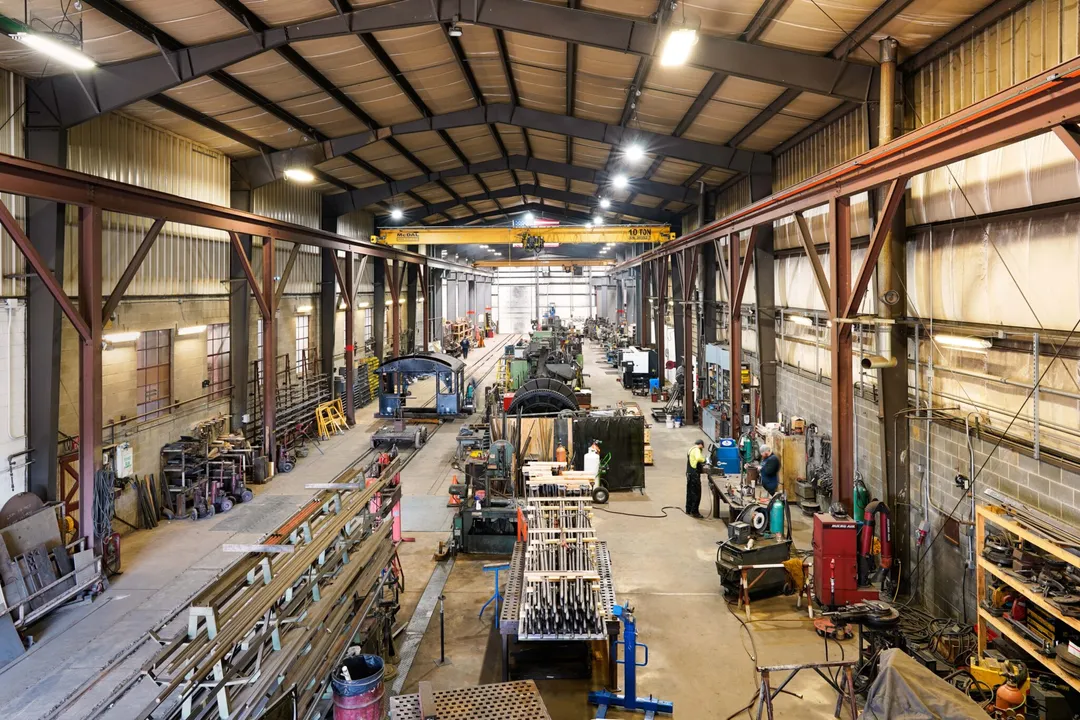
The advent of the steam engine fundamentally reshaped human civilization, moving societies away from reliance on organic power sources—like muscle, wind, and flowing water—toward the controlled, nearly limitless energy stored within fossil fuels. Before this invention took hold, industry was largely tethered to geography; mills had to sit beside fast-moving rivers, and mining operations were limited by how far water could be pumped out of shafts using muscle or horses. [4][9] The steam engine broke those chains, offering a reliable, location-independent source of mechanical work that powered the transformation known as the Industrial Revolution. [2][8]
# Early Pumping
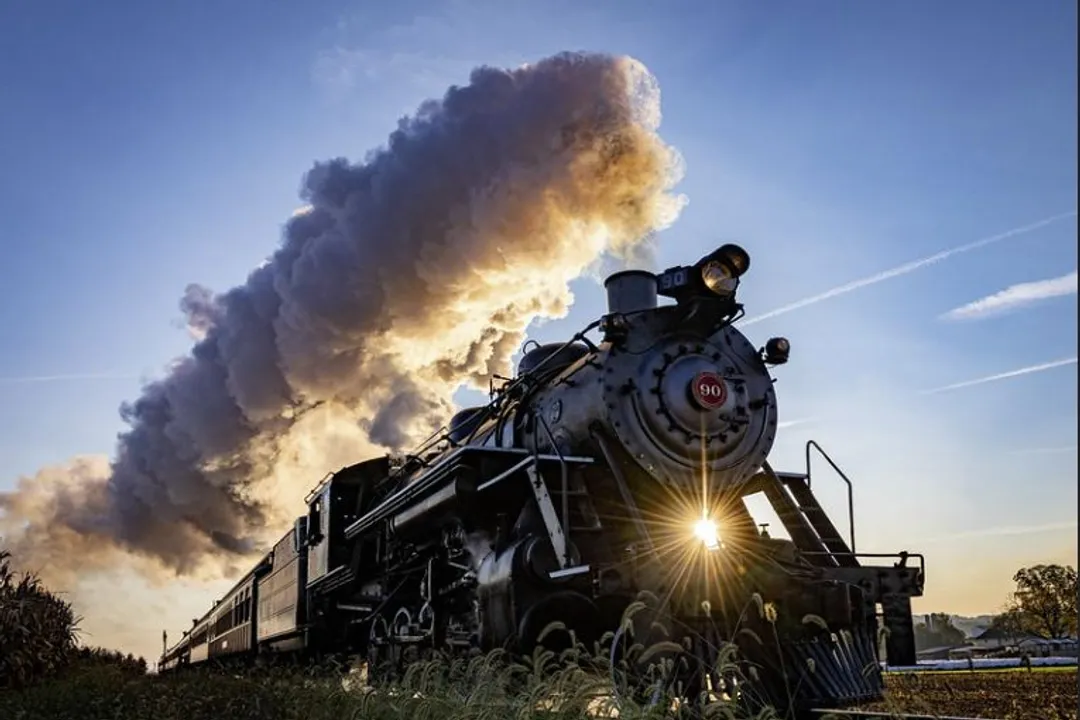
The earliest practical applications focused squarely on solving the perpetual problem of mining: water ingress. Thomas Savery patented a machine in 1698 designed to pump water out of mines using steam pressure, though it operated at very low pressures and posed significant safety risks due to the boiler design. [3] This was followed by the atmospheric engine, perfected by Thomas Newcomen around 1712. [1][3]
Newcomen’s engine was an engineering marvel for its time, using steam to create a vacuum beneath a large piston, allowing atmospheric pressure to push the piston down and perform the work of lifting water. [1] While it solved the deep-mining problem, the Newcomen engine was incredibly inefficient. It required vast amounts of coal to operate because the entire cylinder had to be repeatedly heated and then cooled by injecting cold water, wasting immense thermal energy with every stroke. [3] Because of this colossal fuel consumption, Newcomen engines were only economical when placed directly next to the coal pit they were intended to drain. [4] They provided strong, slow, up-and-down motion, but rotary motion—the kind needed for machinery—was still a clumsy addition, typically involving beams and cranks. [3]
# Watt’s Advance
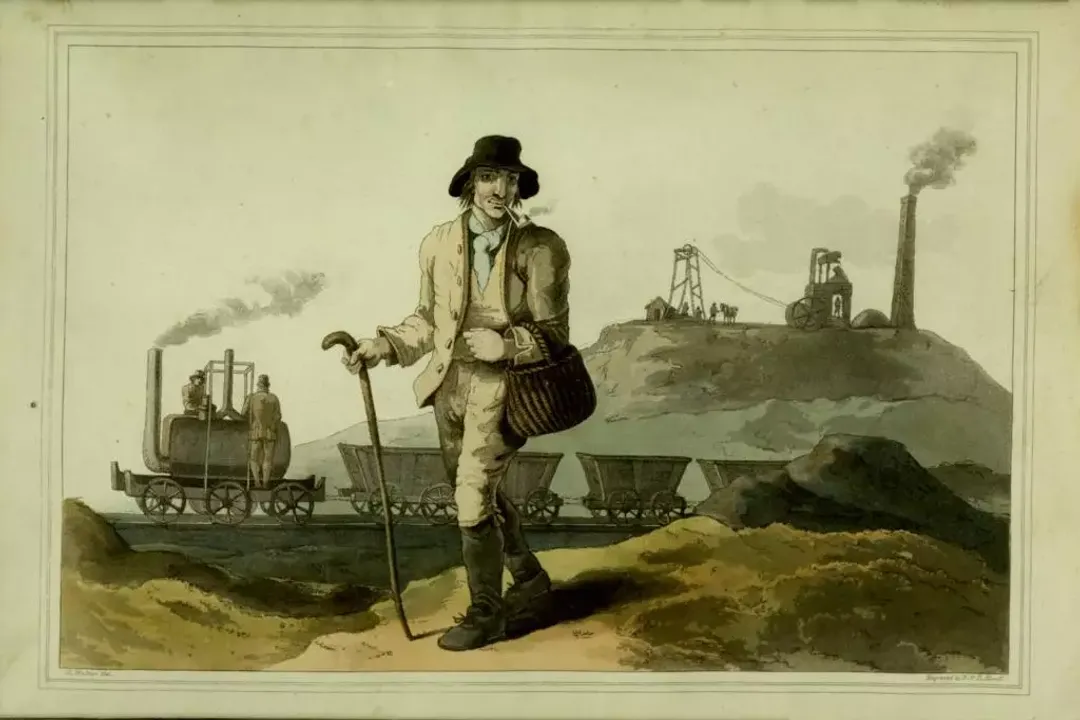
The truly transformative step arrived with James Watt, who, while repairing a Newcomen engine in the 1760s, recognized the fatal flaw: the wasted heating and cooling cycle. [3] His genius lay in the invention of the separate condenser around 1765. [1][3] By condensing the steam in a separate, perpetually cold vessel, Watt kept the main cylinder hot, drastically reducing fuel consumption and increasing the engine's power output relative to the coal burned. [3] This innovation alone made the steam engine economically viable for a wider range of industrial tasks. [3][1]
Watt didn't stop there. He went on to develop mechanisms that converted the reciprocating (up-and-down) motion into rotary (circular) motion, most famously using a sun and planet gear system. [3] This meant the engine could now directly drive factory machinery, such as spinning mules and power looms, providing consistent, controllable torque. [1][3]
The shift in power source was profound. Where a textile factory once needed the precise flow rate of a mill stream, it could now be established in a city center, drawing power from coal hauled in by cart or canal. This fundamental decoupling of industry from hydropower set the stage for factory consolidation and massive output increases. [4][8]
| Feature | Newcomen Atmospheric Engine | Watt Rotary Engine |
|---|---|---|
| Condensation Method | In the main cylinder | Separate vessel |
| Efficiency | Very Low | Significantly Improved |
| Primary Motion | Reciprocating (Pumping) | Rotary (Driving Machinery) |
| Economic Location | Must be next to coal source | Can be located near labor/markets |
The introduction of steam power meant that manufacturing productivity was no longer limited by natural, variable energy sources like the weather or the seasonal level of a river. The factory owner could now dictate production schedules based on labor availability and market demand, not hydrology. [4] The drive for even greater power and efficiency, particularly for mobile applications like locomotives, spurred further development toward high-pressure engines, which utilized steam pressure acting directly on the piston rather than relying solely on atmospheric vacuum—a necessary evolution when moving beyond fixed locations. [1]

# Mobile Power
While stationary engines revolutionized the factory floor, the application of steam power to transportation created a revolution of geography and social structure. [9] When engineers successfully adapted the engine for movement, the impact was immediate and vast, drastically shrinking distances and time scales for commerce and travel. [5]
# Rail Transport
The steam locomotive stands as perhaps the most visible legacy of the steam engine. [5] Inventors like Richard Trevithick demonstrated the potential of high-pressure steam for traction in the early 1800s, culminating in George Stephenson’s Locomotion and later the prize-winning Rocket in 1829. [5] The Rocket demonstrated the viability of high-speed, efficient rail travel, capable of pulling significant loads over considerable distances. [5]
The resulting railway networks created massive demand for iron, coal, and skilled labor, further accelerating industrial growth. [8] For the first time, heavy goods could be moved inland quickly and reliably, fostering national markets where local markets once dominated. If a mill owner in the Midlands needed raw cotton from Liverpool or needed to ship finished goods to London, the railway reduced transit time from weeks to days or even hours. [9]
# Water Travel
Steam power also transformed maritime transport. Early steamboats struggled initially, facing issues with paddlewheel efficiency and high coal consumption. [1] However, as engine design matured, steamships gradually replaced sailing vessels on inland waterways and eventually crossed oceans, unshackling global trade from the whims of wind patterns. [1] This stability in shipping routes supported colonial expansion and the reliable flow of global commodities needed by the expanding industrial base. [9]
It is interesting to consider that the very early needs of the locomotive—high power-to-weight ratio and sustained high-speed operation—pushed engineering beyond what was strictly necessary for the slower, steady work of an existing textile mill. The demands of the railway forced innovators to solve problems related to boiler safety, thermal management under variable load, and mechanical endurance, solutions that often fed back into improving stationary industrial engines. [5]
# Societal Overhaul
The physical changes wrought by the steam engine—the factories, the railways, the mechanized output—were only the surface layer of its impact. The engine reshaped how people lived, worked, and related to one another. [8]
# Urbanization
Since factories no longer needed to be located near water sources, they congregated where labor was most available and where resources (like coal) could be cheaply transported—which meant cities. [4] This led to massive, rapid urbanization as rural populations migrated to industrial centers seeking wage labor. [8] This concentration of people created entirely new social challenges related to housing, sanitation, and public health, problems that previous, smaller-scale economies had never faced. [8]
# The Nature of Work
The rhythm of life shifted from seasonal or diurnal cycles tied to agriculture or daylight to the constant, unrelenting pace set by the machine. [2] Workers had to adapt to long, fixed shifts dictated by the engine’s need for continuous operation. [8] This required a new discipline and standardization of time, transforming artisan work into specialized, repetitive factory tasks. [2]
# Fuel and Environment
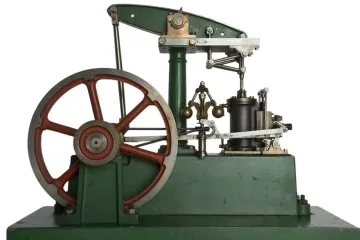
The steam engine’s appetite for energy created a direct, powerful dependency on coal, fundamentally initiating the fossil fuel era. [4] Before its widespread adoption, energy primarily came from wood, water, or animals, all of which have natural regeneration limits or geographic constraints. The steam engine tapped into geological stores of energy. [8]
The consequence was an unprecedented scale of resource extraction. Coal mines dug deeper and faster than ever before, often requiring Newcomen or Watt engines themselves to keep the shafts dry and haul the extracted fuel to the surface. [4] This created a powerful feedback loop: better engines increased coal production, and increased coal fueled the development of even more advanced engines. [8] While this provided the energy for massive material wealth generation, it also began the significant alteration of the local and eventually global environment through soot, smog, and later, carbon emissions. [4] The engine did not just move goods; it reconfigured the relationship between human industry and the planet’s natural carbon cycle. [4]
In summary, the invention did far more than just replace muscle power. It provided the essential, flexible, and scalable mechanical power that allowed for the factory system, created global transportation networks that shrunk the world, forced the massive reorganization of populations into cities, and locked society into a dependency on concentrated subterranean fuels, defining the parameters of modern economic life. [1][9]
#Videos
James Watt's Steam Engine - YouTube
Related Questions
#Citations
Steam engine - Wikipedia
The Rise of the Steam Engine - National Coal Mining Museum
Steam engine | Definition, History, Impact, & Facts - Britannica
The Steam Engine | Environment & Society Portal
The Evolution & History of Steam Locomotives
James Watt's Steam Engine - YouTube
Inventing the Steam Engine | The Engines of Our Ingenuity
Steam Power and the Industrial Revolution - Thomas Earnshaw
The significance of the steam engine - The Roots of Progress
Steam Engine History - MSU College of Engineering