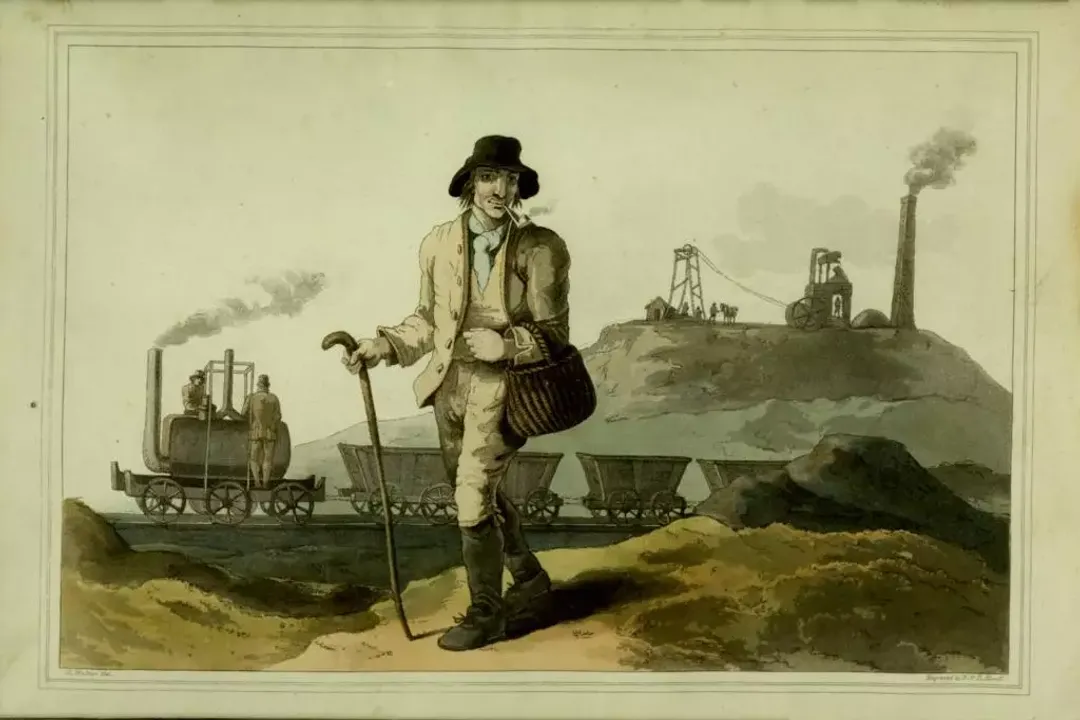
How did the reliability and adaptability of the Boulton & Watt engine alter the geographical constraints on factory location?
It broke the geographical constraint previously imposed by water power, allowing factories to locate near labor pools or raw materials like iron ore
Prior to Watt's comprehensive improvements, industrial power was largely dictated by the availability of water wheels, tying factories to fast-flowing rivers. The powerful, reliable, and most importantly, relocatable nature of the Boulton & Watt steam engine broke this dependence. Because the engine could be fueled wherever coal was available or transportable, entrepreneurs were freed from river locations. This flexibility allowed for the strategic siting of new factories closer to urban labor centers or nearer to deposits of essential materials other than coal, such as iron ore, spurring growth in metallurgy and manufacturing hubs far from traditional hydropower sites.