What are the advantages of the steam engine?
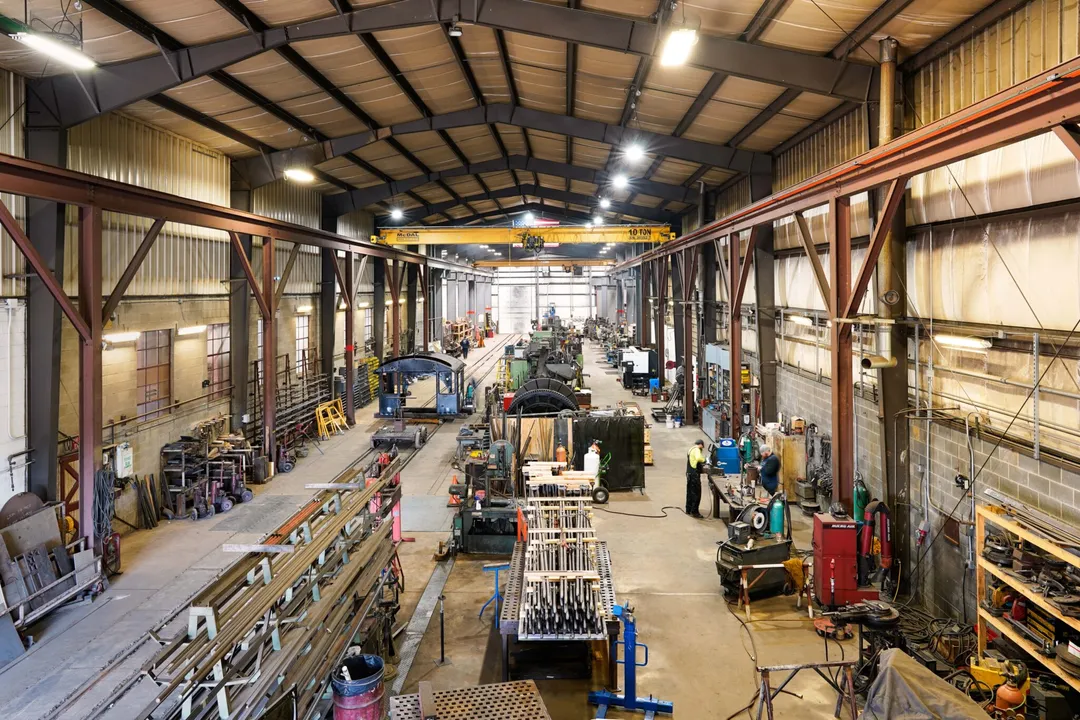
The advent of the steam engine marked a profound turning point in human history, moving mechanical energy generation away from the strict limitations imposed by nature. Before this technology became widespread, work requiring sustained, high-intensity power was limited to the flow of rivers, the caprice of the wind, or the brute strength of animals and humans. [1][10] The steam engine offered something entirely new: the ability to convert thermal energy, derived from burning fuel, reliably into continuous mechanical motion. [6] This fundamental capability allowed production and industry to break free from geographical constraints that had dictated settlement and manufacturing for millennia. [1]
# Power Location
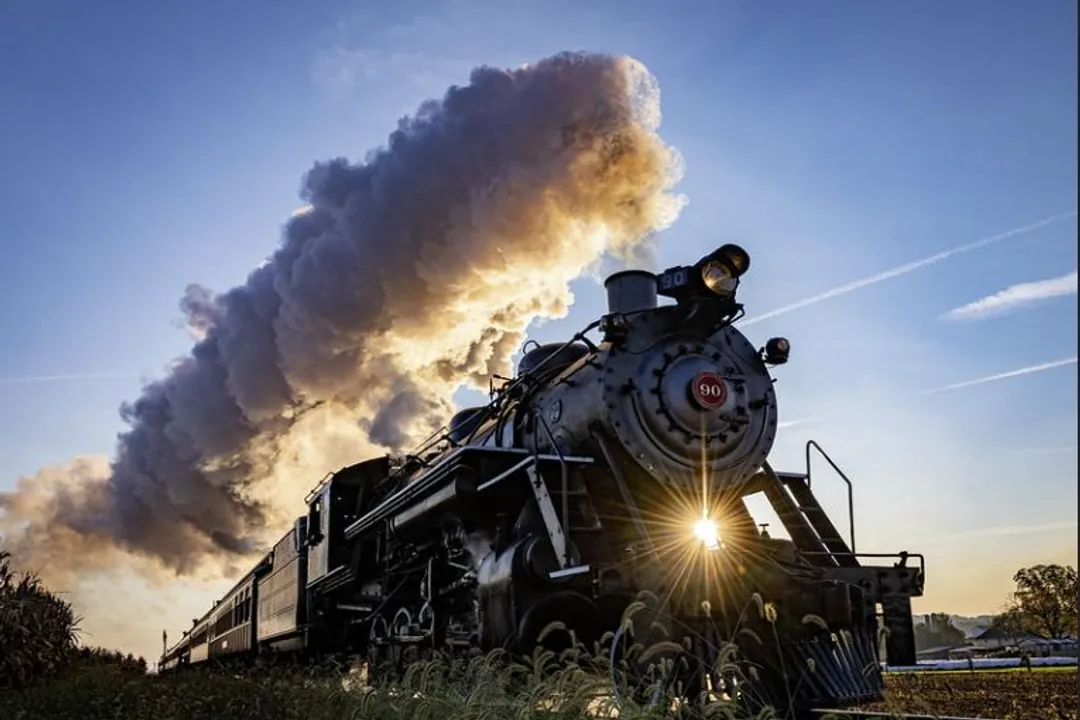
One of the most immediate and socially impactful advantages of steam power was the liberation of industry from watercourses. Prior to this invention, factories or mills had to be situated directly beside fast-flowing rivers or streams to harness the kinetic energy of waterwheels. [10] This often meant locating industry far from labor sources or necessary raw materials. [1]
The steam engine changed this calculation entirely. As long as a supply of fuel—initially wood, but soon coal—was available, a machine could be placed almost anywhere. [1] This geographical flexibility meant that manufacturers could build operations closer to growing urban centers where labor pools were concentrated, or near mineral deposits that needed processing. [10] This decentralization from specific river valleys fueled population shifts and the growth of new industrial towns that were not naturally situated by major waterways. [5]
# Operating Steadiness

Natural power sources are inherently intermittent. A waterwheel loses power during droughts or when the river freezes over in winter. [5] Windmills are useless when the air is still. [1] This unreliability severely hampered any process requiring constant, steady power input, limiting the complexity and scale of continuous manufacturing. [5]
The steam engine, once supplied with fuel and water, offered controllable and continuous motive force. [10] This consistency was revolutionary for tasks that depended on rhythmic, unbroken operation. It meant machinery could run day and night, regardless of the weather or season. [1]
While modern eyes often focus on the enormous coal consumption of the earliest practical engines, such as the atmospheric engine developed by Thomas Newcomen, the initial advantage for its primary application—draining deep mines—was not efficiency but sheer predictability. [2][6] If a mine shaft was prone to flooding, a machine that would pump reliably, even if expensively, provided a level of operational security that seasonal river levels could never match. This reliability allowed miners to dig deeper than ever before, accessing richer seams of coal and iron ore, which in turn fed the very engines that powered their ascent. [2][6]
# Scale of Output
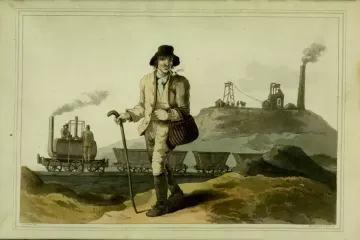
The application of steam power dramatically increased the scale at which work could be performed. The mechanical power generated by an engine could be transferred, via belts and shafts, to run multiple machines simultaneously within a factory setting. [1] This scalability allowed for production volumes previously unimaginable, marking a clear departure from earlier, smaller-scale mechanical systems. [10]
The engine’s brute force was necessary for heavy industrial tasks. In mining, the ability to pump vast quantities of water allowed access to mineral deposits that had previously been unreachable due to water inundation. [6] In later applications, this force was translated into the mechanical hammering, rolling, and pressing required by the metallurgy and textile industries, driving the shift toward mass production. [1][5]
# Transport Advancement
Perhaps the most visible advantage of steam power was its application to transportation, ushering in the railway and steamship eras. [6] Before steam locomotives, land transport was restricted to the speed of horses or the development of canals, both slow and geographically constrained systems. [8]
The steam locomotive could haul loads heavier and faster than any team of animals over long distances, provided rails were laid. [8] This transformation in land freight and passenger movement reduced travel times drastically and opened up interior regions to commerce and settlement. [6] Similarly, steamships allowed maritime travel to become independent of prevailing winds and ocean currents, creating faster, more predictable schedules for global trade. [6]
# Improvement Cycles
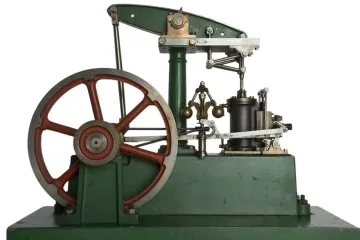
The initial iterations of steam technology were functional but far from optimized. Early engines, while solving the power crisis in specific areas like deep pumping, were known for being extremely inefficient in their fuel usage. [6]
James Watt’s subsequent improvements were critical because they turned the engine from an expensive, specialized solution into an economic general-purpose power source. [6] His introduction of the separate condenser, for instance, meant the cylinder no longer had to be cooled down to atmospheric temperature before every stroke, leading to massive fuel savings. [6]
It is instructive to consider the economic feedback loop created by these early machines. The initial, inefficient Newcomen engines proved the concept of mechanical work derived from heat, solving the critical drainage problem in coal pits. [2] This success led to greater coal availability and lower prices. [5] The lower cost of fuel then provided the economic incentive for engineers like Watt to dedicate effort to solving the efficiency problem, resulting in far more economical engines that could then power industries far afield. [6] This progression—proof of concept, followed by economic stimulus, followed by engineering refinement—is a hallmark of how the steam engine’s advantages cascaded through the economy, something water or wind power, being relatively static technologies, could not replicate. [5]
| Power Source | Primary Constraint | Reliability | Location Flexibility |
|---|---|---|---|
| Waterwheel | River flow, weather (ice/drought) | Intermittent | Restricted to riverbanks |
| Windmill | Wind speed | Intermittent | Restricted to open, windy areas |
| Steam Engine | Fuel supply (coal/wood) | Continuous, controllable | Highly flexible (near fuel/labor) |
This ability to refine and iterate on the power source itself, rather than being stuck with fixed natural availability, is arguably the most enduring advantage the steam engine offered to subsequent technological development. [5][6]
Related Questions
#Citations
What advantages does the steam engine have over earlier ... - CK-12
The Steam Engine | Environment & Society Portal
What are the advantages of steam engines? - Quora
What are the pros and cons of fuel engines, steam engines ... - Reddit
The significance of the steam engine - The Roots of Progress
Steam engine - Wikipedia
Steam power | History, Uses, & Facts - Britannica
The Evolution & History of Steam Locomotives
Steam Engines - an overview | ScienceDirect Topics
The Spread of Steam Power | History of Western Civilization II