What improvements did Thomas Newcomen make to the steam engine?
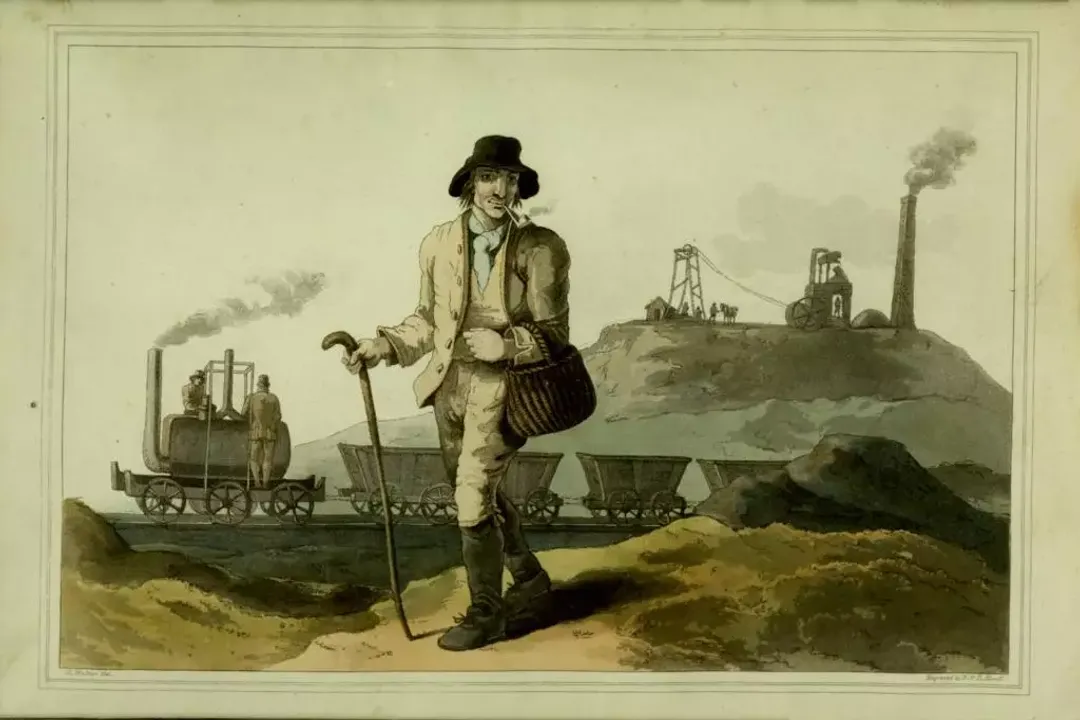
The relentless problem plaguing the extraction industries of early 18th-century Britain was water. As miners chased deeper seams of tin and coal, they were inevitably halted by flooding, making traditional methods—relying on men or horses to haul water buckets—untenable. The need for a machine capable of continuous, powerful water removal provided the industrial impetus that drove mechanical innovation forward. Before the advent of a truly functional steam apparatus, the possibilities were severely limited by material science and engineering concepts.
# Precursor Design
The quest for mechanical pumping preceded Thomas Newcomen by nearly two decades. English engineer Thomas Savery secured a patent in 1698 for his "fire engine," intended as a device to raise water from mines. Savery's concept was based on creating a vacuum. Steam would fill a vessel, which was then cooled, causing the steam to condense into water and create a vacuum. Atmospheric pressure would then push water up a pipe into that vessel. Savery’s apparatus lacked moving parts, save for the necessary hand-operated taps. However, this design suffered critical limitations: the structural integrity of contemporary boilers, often made of copper, meant only low-pressure steam could be safely used. This severely restricted the lift height, making it effective only in relatively shallow mines, roughly thirty feet deep. As mines ventured further downwards, Savery’s solution became impractical, though its existence laid the groundwork for the next step.
# The Atmospheric Solution
Thomas Newcomen, an ironmonger by trade and a Baptist preacher by vocation, addressed the depth limitation of Savery’s design. Newcomen’s great achievement, developed around 1712, was the atmospheric engine, which represented a fundamental departure from the previous model, even while leveraging Savery’s patent through a business partnership. Newcomen’s innovation was not just an improvement; it was the first commercially viable machine to harness steam for sustained mechanical work, making it a crucial precursor to the Industrial Revolution.
# Piston and Cylinder
The core mechanical improvement Newcomen introduced involved integrating a concept proposed earlier by Denis Papin: the piston working inside a cylinder. Where Savery’s engine relied on the vacuum drawing water directly, Newcomen’s design used the vacuum to draw down a piston within a separate cylinder. This substitution of a piston mechanism for Savery’s receiving vessel was the key to achieving greater power and scale. The steam filled the cylinder, pushing the piston upward (the recovery stroke), and then cold water was injected into the cylinder to condense the steam, creating the vacuum. The force that drove the work stroke was the atmospheric pressure pressing down on the piston head into the created void.
# The Rocking Beam Linkage
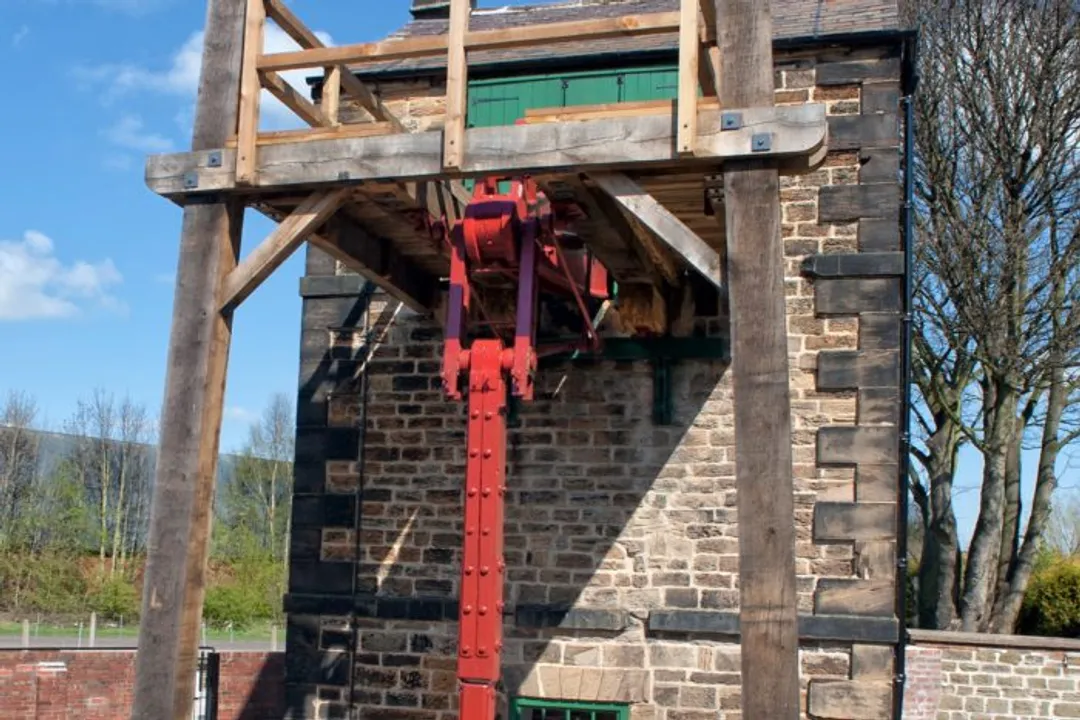
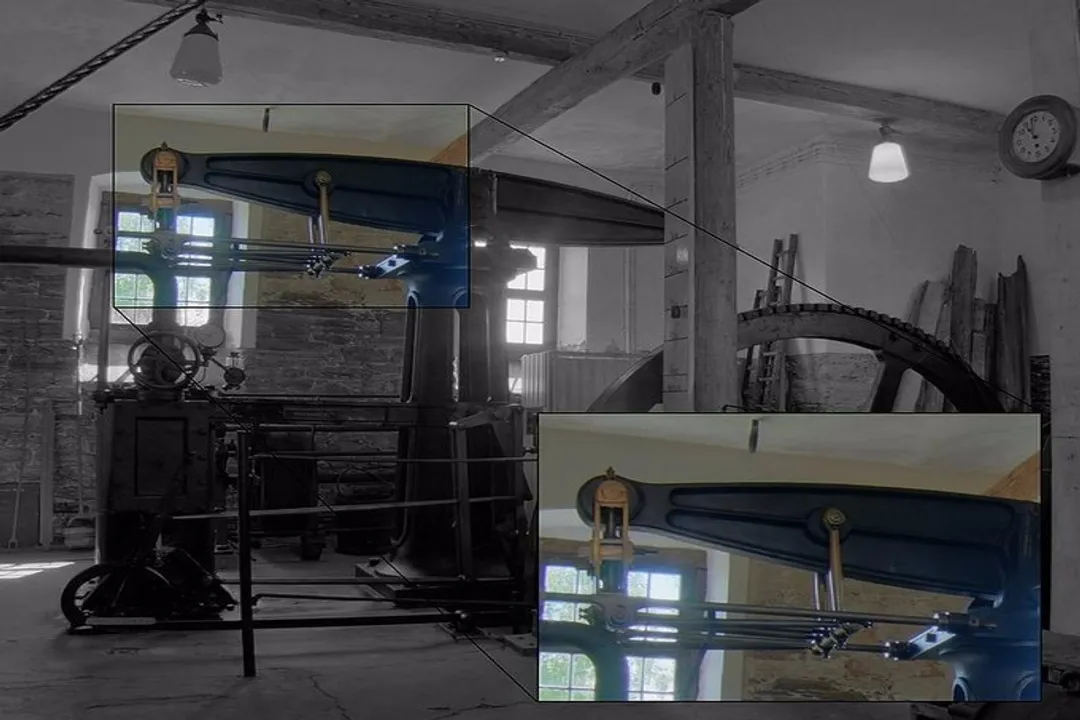
The downward push on the piston was translated into the necessary up-and-down motion required by the mine pump via a large wooden beam engine. This beam rocked upon a central fulcrum, operating like a massive seesaw. On one end of the beam, the piston rod was attached, usually via a chain. On the opposite end, a weight, often balanced against the pump rod descending into the mine shaft, was positioned. The crucial aspect here is that the engine's power stroke (the piston moving down due to atmospheric pressure) drove the pump rod up. On the return stroke, the weight of the machinery or the pump rod's descent pulled the piston back up, allowing the cylinder to refill with steam for the next cycle.
This architectural choice was more than a simple mechanical link; it was an engineering separation that solved a physical dilemma. Savery’s machine had to be located near the water source it was pumping, whereas Newcomen’s engine, through the beam, could be housed above ground—often in a brick engine-house built specifically for it—while the actual pump apparatus worked deep down the mine shaft. The beam served as a structural pivot point, elegantly mediating between the steam cylinder's vertical oscillation and the need to operate the reciprocating pump far below, a flexibility that was impossible with the direct suction of the earlier design.
# Automation of Cycle
A significant improvement over earlier, less regular pumping methods was Newcomen’s system for automatically controlling the steam and injection valves. In the Newcomen cycle, once the piston reached its highest point, a mechanism would trigger the injection of cold water into the cylinder, causing the steam to condense and the vacuum to form. As the piston descended, this same mechanism would simultaneously cut off the steam supply and prepare the next charge. When the piston reached the bottom of its stroke, the injection water would drain out, the steam inlet valve would open, and the process would immediately repeat. This cyclical, self-operating nature meant the engine could run continuously, day and night, which was vital for dewatering deep, dangerous mines where work could not stop for shifting horses or waiting for daylight.
# Material Constraints Addressed
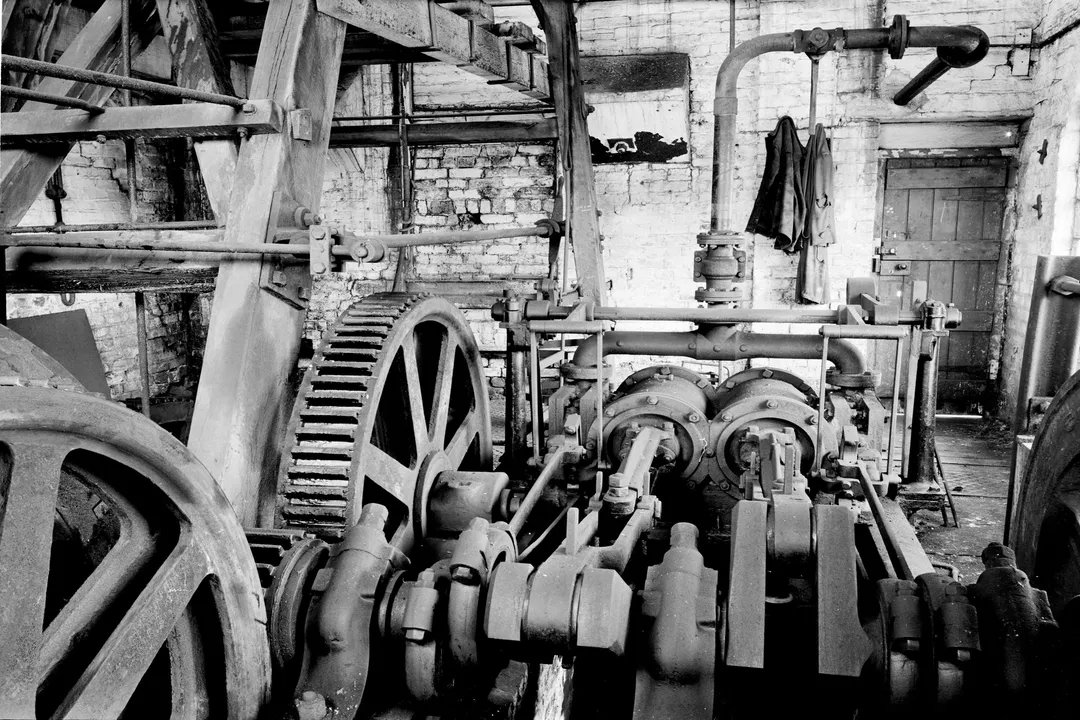
Newcomen’s atmospheric engine, while revolutionary, was constrained by the material limitations of the early 18th century. Because the power came from atmospheric pressure pushing in, the internal steam pressure only needed to be sufficient to fill the cylinder—it did not need to resist high internal pressures that might blow the boiler or cylinder apart. This meant the engine operated under relatively low-pressure steam, which kept it within the working limits of the available materials.
The earliest cylinders utilized brass, which was expensive and limited the overall size the machine could reach. A critical, indirect improvement that aided the spread and power of Newcomen’s design came from metallurgy itself. The pioneering of better iron casting techniques by establishments like the Coalbrookdale Company in the 1720s allowed engineers to construct much larger cylinders, reaching up to about six feet in diameter in the decades that followed. This increased scale meant that even without increasing steam pressure, the volume of the vacuum created increased, leading directly to substantially more powerful engines over the engine's first fifty years of service.
# Inefficiency and Legacy
Despite its immediate success in solving the drainage crisis, the Newcomen engine was markedly inefficient in its use of fuel. The cycle required that cold water be injected directly into the working cylinder to condense the steam. This process cooled the cylinder walls substantially during every power stroke. Consequently, the incoming charge of hot steam was partially wasted every time, as it first had to spend energy reheating the cold cylinder walls before it could begin to push the piston.
In many locations, this inefficiency was not a fatal flaw. For coal mines, where unsaleable small coal (slack) was abundant and effectively costless, the engine could be run constantly, providing immense benefits that outweighed the high fuel consumption. The ability to mine deeper meant that the economic output of the mine increased dramatically, justifying the fuel expenditure. This contextual reality—that cheap fuel at the point of use trumped overall thermal efficiency—was a key factor in the engine’s initial widespread adoption across mining districts in Britain and continental Europe. By the time Newcomen died in 1729, over a hundred such engines were in operation.
However, in locations where coal was scarce or expensive, such as the tin mines of Cornwall, the high running cost became a significant economic constraint. While John Smeaton made minor layout improvements in the 1770s, the fundamental thermal inefficiency remained. It was this thermal waste that James Watt later targeted, introducing the separate condenser around 1765 to keep the working cylinder perpetually hot, leading to engines that used about 75% less fuel.
Yet, Newcomen’s contribution remains foundational. His engine was the first to apply external mechanical power, exceeding that of animals, wind, or water, directly to industrial tasks, and importantly, anywhere that coal could be delivered to fuel the boiler. While later engineers like Watt refined the thermal cycle and converted the reciprocating motion into rotary motion suitable for driving factory machinery, it was Newcomen who first cracked the barrier of depth in mining and proved that steam power was the engine of industrial possibility. The very existence of his widely adopted beam engine established the necessary large-scale engineering framework upon which Watt would later build his famous condenser—a testament to the fact that technological progression often involves critical, sometimes inefficient, steps that prove a core concept's commercial viability first. Between 1712 and the expiration of Savery's patent in 1733, Newcomen and his associates installed engines successfully, paving the way for an estimated thousand units to be built over the next seven decades.
Related Questions
#Citations
Thomas Newcomen - Wikipedia
The Rise of the Steam Engine - National Coal Mining Museum
Newcomen Beam Engine - Age of Revolution
Thomas Newcomen | Biography, Steam Engine, & Facts - Britannica
steam engine - Science, civilization and society
Steam Power | Boundless World History - Lumen Learning
Steam Power and the Industrial Revolution - Thomas Earnshaw
The Newcomen engine and its role in Britain's industrial revolution
Steam Engine is Developed | Research Starters - EBSCO