What specific radar technology is utilized for detecting faint biological signals through heavy debris?
Answer
Ultra-wideband (UWB) radar
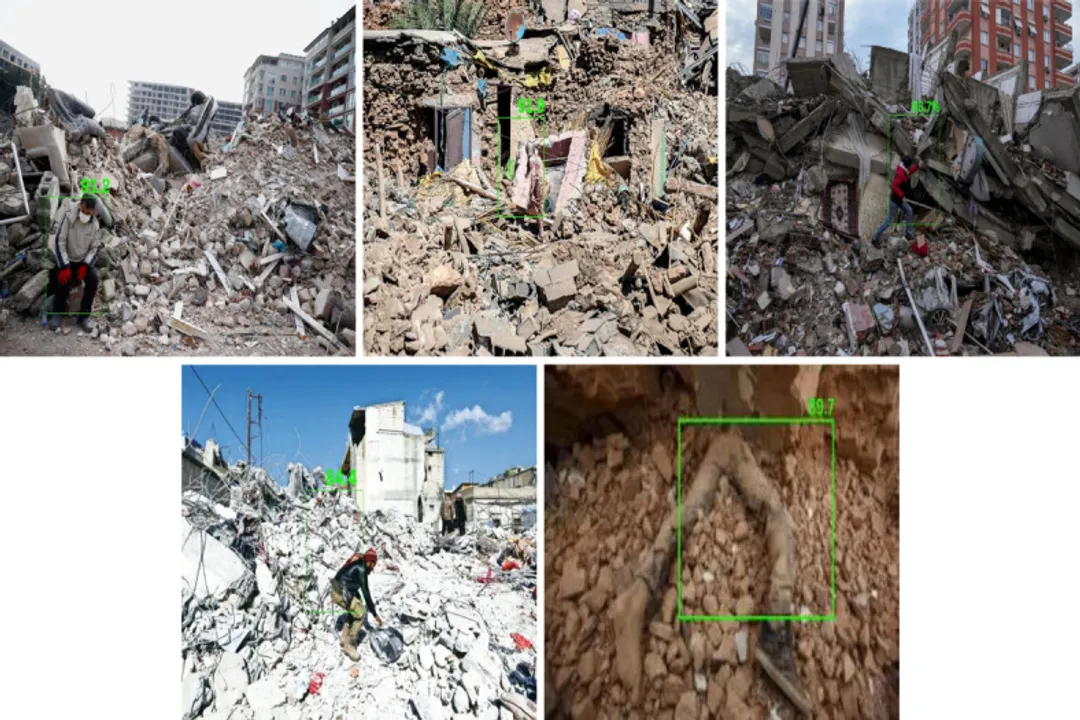
Ultra-wideband radar systems are employed in rescue operations due to their ability to achieve the necessary penetration depth and resolution required to pass through dense barriers, such as concrete and layers of dust. These systems operate by sending microwave energy through substantial obstacles to monitor for minute physical movements. This technology is essential for isolating faint biological Doppler shifts, allowing rescue teams to identify the presence of a survivor even when they are deeply buried and hidden from visual or acoustic detection.
Related Questions
What primary biological byproduct do gas-sensing devices target to identify survivors under rubble?What specific radar technology is utilized for detecting faint biological signals through heavy debris?Which materials are known to create significant signal interference for radar-based survivor detection systems?Why is it difficult to identify a single inventor for modern survivor detection technology?What is a major limitation of relying solely on gas-sensing technology to find survivors?Which research institution is actively developing gas-sensing apparatus for search and rescue operations?How do radar systems translate reflected microwave energy into a confirmation of life?Why is the concurrent deployment of gas sensing and radar detection recommended in rescue protocols?Which researcher is associated with the development of survivor search radar hardware and algorithms?What is the primary operational challenge regarding the search radius of gas-sensing devices?