Who invented the electric utility system?
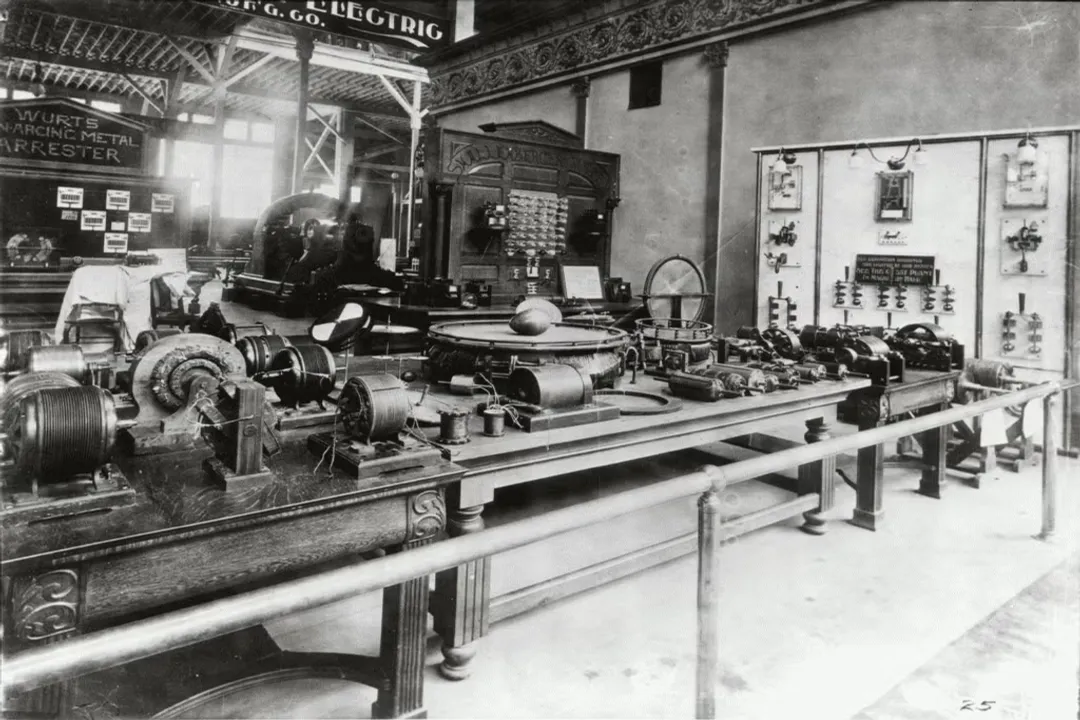
The invention of the electric utility system was not the work of a single inventor but rather a convergence of scientific discovery, relentless commercial competition, and monumental engineering effort spanning several decades. It involved shifting concepts of power generation, transmission, and distribution, ultimately requiring a vast, interconnected grid rather than isolated power sources. [6][8] Pinpointing the genesis means examining who built the first working, centralized source of power and who figured out how to send that power over long distances effectively. [2][9]
# Early Concepts
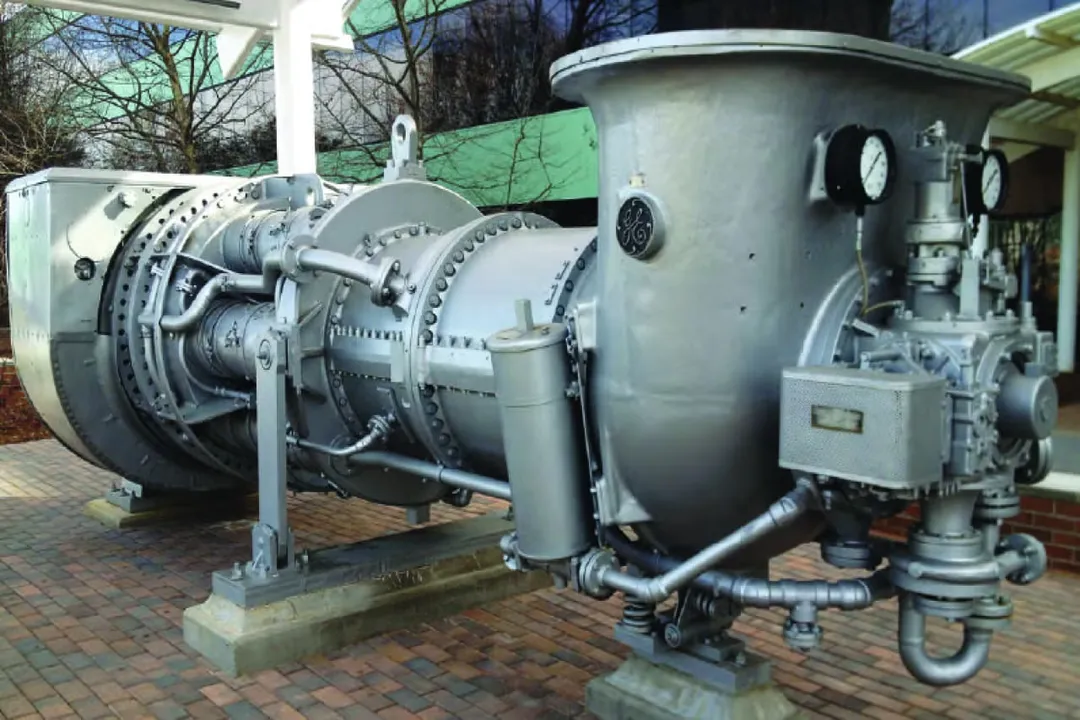
Long before centralized stations hummed with power, the groundwork for modern electricity was being laid through experimentation with batteries and early electrical phenomena. [5] While many figures contributed to understanding electricity itself—from Benjamin Franklin’s kite experiment to Michael Faraday’s work on electromagnetic induction—the ability to harness it for public use required a mechanism for continuous generation and distribution. [5] Early forms of electric lighting, such as the carbon arc lamp, existed but were impractical for widespread, sustained domestic use due to their intense brightness and high maintenance needs. [2] The true challenge lay in creating a manageable, scalable source of power to light homes and run nascent machinery. [9]
# Edison's Power
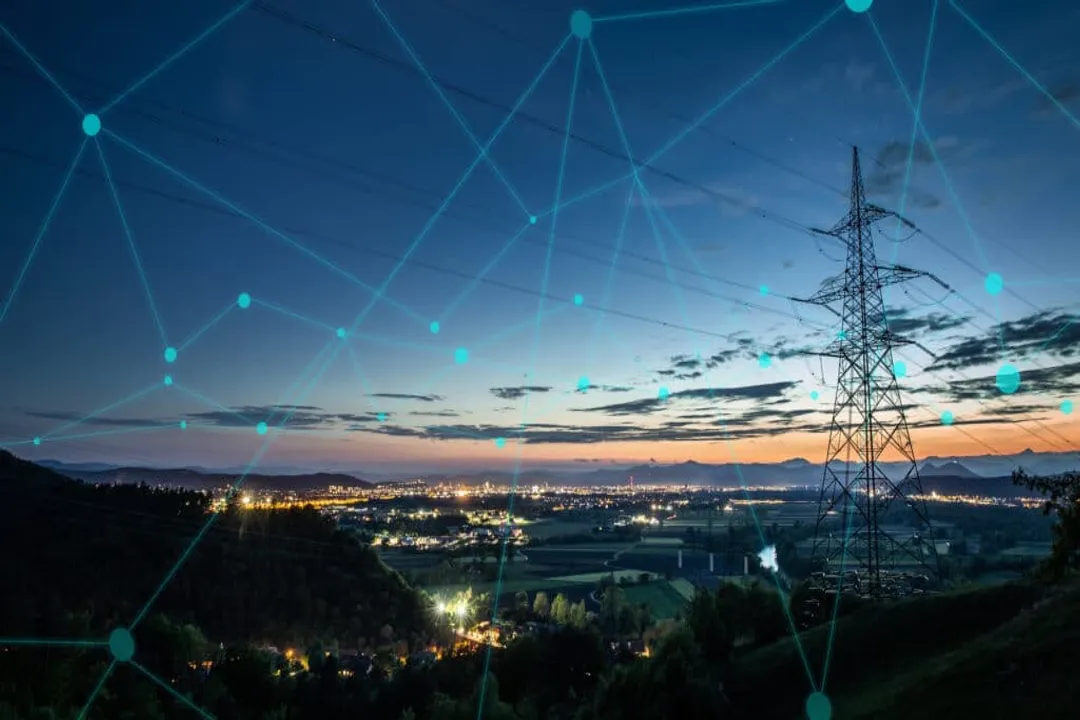
The closest one might come to naming a single person responsible for the first electric utility system is Thomas Alva Edison. [5] Edison was instrumental in developing the practical incandescent light bulb, but his vision extended far beyond just a better bulb; he intended to create an entire infrastructure around it. [2] This required standardized components, including reliable dynamos (generators), durable wiring, fuses, meters, and sockets. [2]
In September of 1882, Edison flipped the switch on the Pearl Street Station in lower Manhattan, New York City. [2][5] This was the world’s first commercial central power plant designed specifically to serve a district of customers. [2] The system operated on Direct Current (DC) power. [5] The station used steam engines to drive generators that produced a low-voltage DC current, which was distributed through underground copper conductors to customers located within a roughly one-mile radius. [2] This was the birth of the electric utility model: a centralized generation point feeding metered power to paying consumers. [5][9]

# DC Limits
Edison’s DC system was a technical marvel for its time, offering reliable lighting to a concentrated downtown area. [2] However, DC power presented a fundamental limitation that would ultimately prevent it from becoming the national standard for the sprawling electric utility network we know today. [2][6] Because of the way DC voltage behaved over distance, transmitting power lost a significant amount of energy as heat the further it traveled. This meant that power stations had to be built very close to the areas they served. [2] To light up an entire city, Edison’s model required a new power station every few square miles. [2] This inherent geographical constraint made scaling the system economically inefficient and logistically complicated. [6]
# AC Revolution
The inherent weakness of DC infrastructure created the necessity—and the market opportunity—for a superior transmission technology. [6] This superiority arrived in the form of Alternating Current (AC), heavily championed by Nikola Tesla and backed financially and commercially by George Westinghouse. [5][7]
Tesla had made key breakthroughs in AC technology, particularly the development of the polyphase alternating-current induction motor and the fundamental understanding of how to efficiently step AC voltage up or down using transformers. [7] This ability to transform voltage was the game-changer. AC voltage could be stepped up to very high levels for long-distance transmission, minimizing energy loss, and then stepped back down safely near the end-user for use in homes and businesses. [6]
The clash between Edison’s DC and Westinghouse/Tesla’s AC became famously known as the War of the Currents. [5] While Edison initially fought hard against AC due to incumbent investment and fears over high-voltage safety, the overwhelming engineering and economic advantages of AC transmission eventually won out. [5][9] The success of AC meant that power generation could be centralized in areas where fuel (like coal) was cheaper or where water power was available, instead of being tethered to population centers. [6]
While the technological battle between DC and AC centered on efficiency and safety, the underlying economic incentive driving the utility system’s shape was pure geography. Edison’s DC demanded dense, localized infrastructure, whereas the potential of AC was always about reach. The inventor of the system, in a practical sense, was the one who solved the transmission problem—which was arguably Tesla, via his AC motor and transformer compatibility, enabling the national grid concept. [7]

# Building The Network
With the AC system proven technologically superior around the turn of the 20th century, the focus shifted from invention to construction—building out the utility aspect. [8] Electricity historians often point to the 1890s and early 1900s as the period where the electric utility industry truly began to formalize. [3][9]
The construction required standardization beyond just the current type. Central stations evolved from simple DC plants to large AC generators. [6] The need for reliable, interconnected service forced utilities to establish common standards for voltage levels, frequency (like 60 Hz in the US), and metering practices. [1][8] These interconnected systems began as local or regional networks, often linking several smaller power producers together to ensure that if one plant went offline, service could be maintained by drawing power from another source. [1][9]
The early 20th century saw massive consolidation. Small, competing local power companies were frequently bought up by larger corporations aiming to serve broader territories. [6] This growth transformed the delivery of electricity from a series of isolated experiments into a regulated, interconnected public service. [8][9] For example, major infrastructure projects and technological leaps continued throughout the early 1900s, with significant expansion of transmission lines occurring between 1900 and 1920, laying the physical foundation for the modern electrical grid. [3]
# Evolution of Generation
The nature of the electric utility system is intrinsically tied to how electricity is generated. Early stations relied on steam engines turning dynamos. [2] As the industry matured, so did the power source technology. The development of the steam turbine, which offered higher efficiency and greater power output than reciprocating engines, marked another major evolutionary step for the central utility station. [6]
It is worth noting that the initial drive was almost entirely focused on lighting, but the utility system’s true long-term value was realized as industrial demand for running motors and, later, residential demand for appliances, grew rapidly. [9] This expansion required utilities to continually invest in larger, more efficient power plants, shifting the economic center of gravity from the wiring network itself to the capacity of the central generation hub. [6]
Consider the initial capital required just to wire a single city block under Edison’s DC system versus a major AC transmission line spanning fifty miles. While DC required massive copper investment locally, AC allowed capital to be sunk into building one massive, efficient powerhouse far away. This shift in investment focus—from distributed wiring material to centralized, high-capital machinery—is a subtle but important driver in why the AC utility system prevailed, favoring scale over hyper-localization. [2][7]

# Defining the Inventor
Ultimately, no single inventor can claim the title for the "electric utility system." The system is a composite artifact. Edison provided the business model and the first working utility on a small scale. [2] Tesla provided the enabling technology (AC transmission and motors) that made a large-scale, interconnected utility grid physically and economically feasible. [7] Westinghouse provided the commercial force to implement Tesla's AC technology against the established DC interests. [5]
The creation of the grid involved the practical application of physics, mechanics, and commercial scaling. [9] It’s a collaborative invention where Edison built the template, and Tesla and Westinghouse designed the scalable successor. [2][7] The modern electric utility system, therefore, stands as a monument to competing visions that were forced to synthesize into a singular, enormous infrastructure serving modern society. [1][6]
Related Questions
#Citations
Electric power system - Wikipedia
Electric Light and Power System - Thomas A. Edison Papers
Electricity timeline - Energy Kids - EIA
Who Invented Electricity? A History of Electricity - ElectricityPlans
The History of Electricity Timeline
History of Power: The Evolution of the Electric Generation Industry
How the Electrical Grid System Keeps the Lights On - Remsa USA
A look back at electric utility history - Renewable Energy World