Who invented sludge treatment systems?
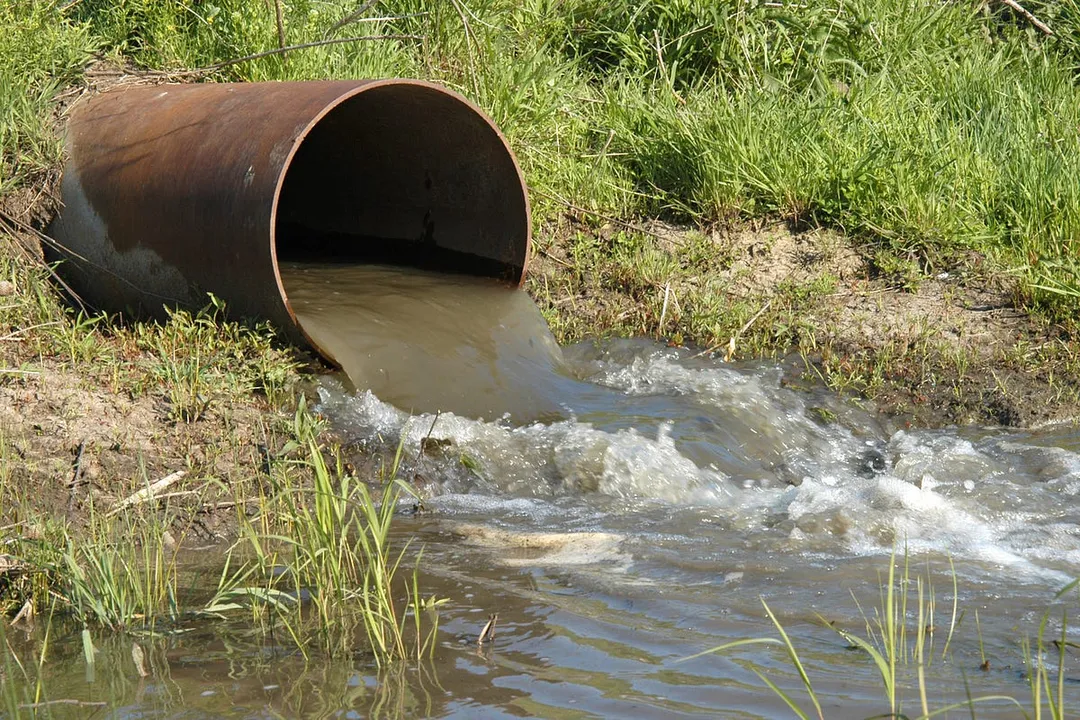
The necessity of managing the residual solids left over after cleaning water—often referred to simply as sludge—is fundamental to modern sanitation. Before effective treatment systems were developed, the disposal of these byproducts often led to public health crises, with raw sewage contaminating waterways and groundwater. The evolution of sludge management is closely tied to the development of wastewater treatment itself, moving from simple physical removal to complex biological stabilization. Early methods relied heavily on gravity settling and subsequent open-air digestion, processes that were slow, odoriferous, and required vast tracts of land, often creating secondary environmental problems. [8] The real transformation began when engineers and scientists started looking for ways to treat the sludge actively, rather than just storing it, a shift driven by growing urban populations and environmental awareness throughout the late 19th and early 20th centuries.
# Early Settling
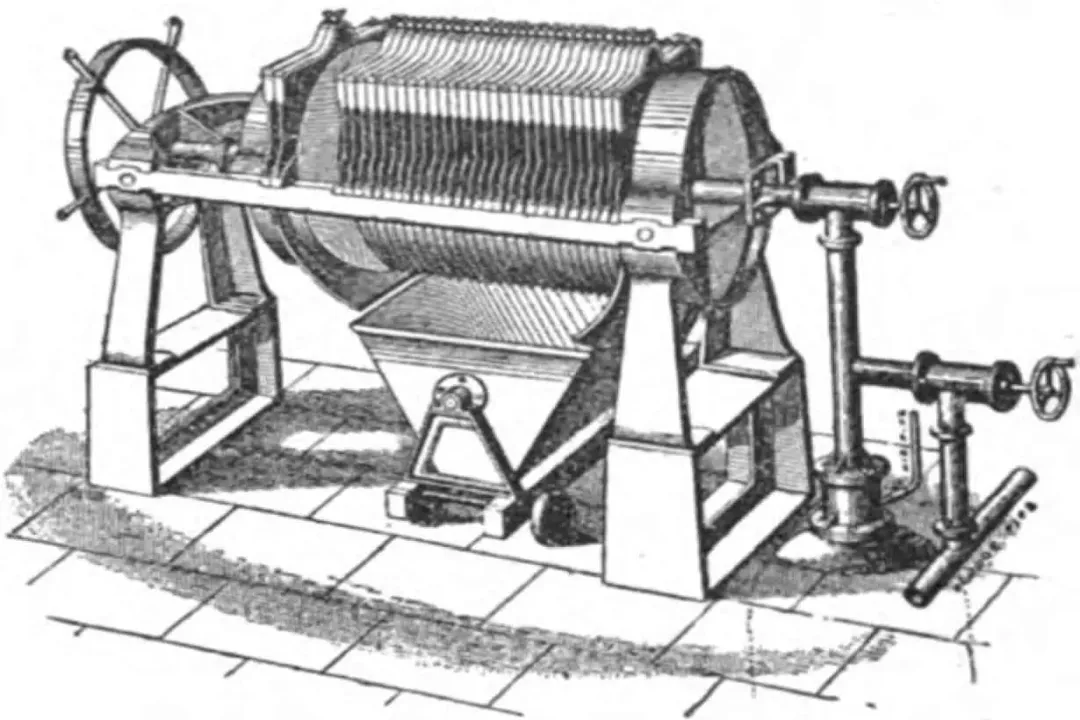
For centuries, the primary technique for managing the solids separated from wastewater involved letting them settle out of the water column naturally. This foundational step, known as primary treatment, remains a component of modern systems, but on its own, it is insufficient for public health standards. The resulting sludge—a thick, watery matrix of organic matter—required subsequent handling. In many early municipal settings, this material was often dewatered on open drying beds or simply dumped. The inherent challenge faced by early sanitary engineers was twofold: first, rapidly separating the solids from the liquid, and second, stabilizing the concentrated solids to prevent putrefaction and disease transmission. [8] This stabilization piece was the major stumbling block until biological advancements provided a solution.
# Key Discovery
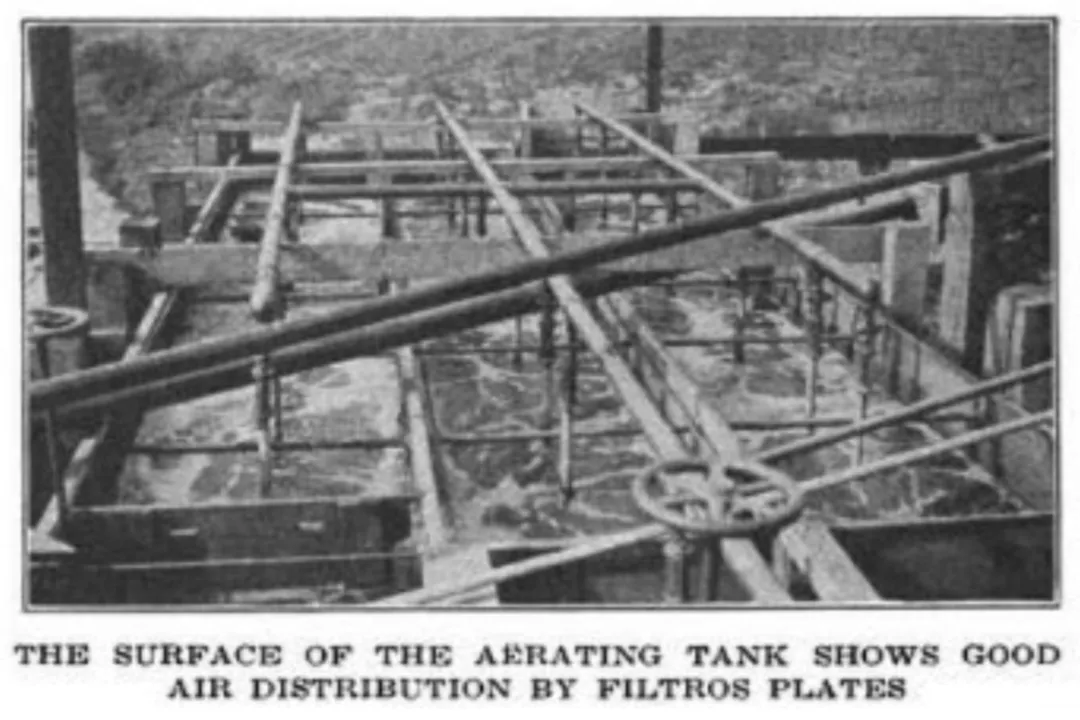
The invention that fundamentally altered sludge treatment, and indeed all biological wastewater treatment, was the activated sludge process. This biological innovation provided a means to stabilize the organic matter in sewage quickly and efficiently within contained reactors, significantly reducing the required physical footprint and improving effluent quality. [2]
The pivotal moment is generally credited to two individuals working independently but arriving at similar conclusions: Edward Ardern and W.T. Lockett in Manchester, England, around 1914. [3][4] Their breakthrough came from observing that if sewage sludge was continuously aerated, the microorganisms within the sludge would multiply and develop an ability to rapidly purify the incoming sewage. [3] Lockett is specifically noted for his role in documenting and refining this process. [4]
Contrast this biological method with the pre-existing methods, which often relied on slow, passive digestion. A system relying solely on settling and passive digestion might necessitate acres of land for drying beds to handle the output of a moderate-sized city. The introduction of the activated sludge system meant that the stabilization and purification could occur in tanks, drastically reducing the land requirement and allowing for treatment facilities to be built closer to urban centers. This shift from passive storage to active biological stabilization marks a high point in environmental engineering history. [2]
# California Recognition
While the roots of the activated sludge process are firmly planted in the UK, its implementation and recognition spread globally. In places like California, the process was adopted, and centennial commemorations highlight its lasting impact. For instance, the California Water Environment Association noted the centennial of the activated sludge process, recognizing the nearly century-long service of this treatment method in the state. [9] The initial skepticism surrounding a biological process requiring constant mechanical aeration gradually gave way to widespread acceptance as performance data accumulated.

# Early Implementation
The successful demonstration of the activated sludge concept quickly spurred its adoption in various locations. A significant early proponent and implementer was in the United States. In Wisconsin, for example, engineers took up the technology. The demonstration plant established in Winnebago County—specifically in Rockford—was instrumental in proving the viability of this technology outside of its birthplace. [1] This early application in a major US facility provided the operational data needed to convince other municipalities that the relatively complex aeration equipment was worth the investment due to superior treatment results. [1]
Considering the sheer volume of solids produced in even a mid-sized metropolitan area—a typical sewage treatment plant might process hundreds of tons of dry solids per day depending on scale—the ability to manage stabilization biologically rather than physically was an economic game-changer. If we consider an average small city producing, say, 50 dry tons of solids daily, switching from open beds that require dewatering time to a continuous biological reactor means the facility can potentially double its daily processing capacity without expanding its land footprint by a single square foot. This density of treatment is a direct result of Ardern and Lockett's discovery. [3][4]
# Newer Sludge Management
While activated sludge provided the fundamental method for stabilizing organic waste biologically, sludge treatment has not stood still. Continuous innovation seeks to address remaining issues, particularly dewatering and pathogen reduction, which are often energy-intensive steps following biological stabilization.
One development in the realm of sludge treatment history involves companies that specialized in addressing the volume aspect of sludge management. Companies like SludgeHammer have developed their own technologies aimed at treating sludge on-site, sometimes bypassing traditional, large-scale centralized secondary treatment steps for certain applications. [6] Their focus appears to be on technologies that reduce sludge volume and convert waste more effectively, suggesting a continued drive toward efficiency and reduced disposal costs, which have always been a major operational expense for wastewater utilities. [6]
# Granular Reactors
Another significant evolution in biological treatment, which directly impacts the nature of the sludge produced, is the development of aerobic granular reactors. [5] This technology represents a move toward even higher solids concentration within the reactor itself. In traditional activated sludge, the microbes form loose flocs that require a separate settling tank. Aerobic granular sludge, however, allows the biomass to form dense, discrete granules. [5]
This structural difference means that the granules settle much faster than conventional activated sludge flocs. This allows for shorter settling times and, crucially, potentially eliminates the need for large secondary clarifiers that are a staple of traditional activated sludge plants. [5] While this addresses the liquid-solid separation efficiency after the biological step, it is still an advancement rooted in understanding and manipulating the biology discovered nearly a century prior. The ability to grow these granules is a testament to controlling the microbial environment within the treatment system.

# Historical Context
To fully appreciate the invention, one must look at the broader timeline of wastewater sanitation. Before biological stabilization became understood, the history of sludge management was primarily one of physical separation and disposal. [8] The shift in the early 1900s was not just an engineering upgrade; it was a public health paradigm shift. It moved the industry from managing a nuisance to actively recovering value (in the form of stabilized material) and protecting water sources more effectively. [2][8]
The video resources on wastewater management history often place this period—the early 20th century—as the moment when treatment moved from a primitive, largely physical science to a true applied biological science. [7] Before activated sludge, the limitations of space and odor essentially capped the size and location of treatment facilities that could serve dense populations. The technology introduced by Ardern and Lockett effectively lifted that cap, allowing cities to grow without their waste management infrastructure becoming immediately obsolete or toxic to their immediate surroundings. [3][4]
# Comparing Process Stages
It is useful to see where the activated sludge process fits into the overall treatment flow, as it primarily addresses the secondary stage of treatment:
| Stage | Primary Goal | Historical Method Pre-1914 | Activated Sludge Role |
|---|---|---|---|
| Primary | Remove large, settleable solids | Screening and Grit/Sedimentation [8] | N/A (Precedes) |
| Secondary | Stabilize dissolved and fine organic solids | Aerobic/Anaerobic Digestion on Land Beds [8] | The core process of rapid biological oxidation [3] |
| Tertiary | Polishing, nutrient removal (later development) | N/A or simple filtration | Often integrated or followed by further processing of the secondary sludge [5] |
This comparison highlights that the invention wasn't just a new way to settle sludge; it was a completely new, intensified method of destroying the organic pollutants that settleable solids alone couldn't capture. [2] The subsequent challenges, such as dewatering the resulting biological sludge (which has a higher water content than raw settled solids), became the next frontier for engineers building upon this foundation. [1]
# Ongoing Refinement
The legacy of the activated sludge process is not just the process itself, but the entire field of research it spawned regarding microbial ecology in wastewater. Even modern advancements, such as those relating to aerobic granules, are essentially sophisticated modifications of controlling the microbial community structure within an aeration basin. [5] Furthermore, utilities continue to face the challenge of dealing with biosolids—the stabilized, treated sludge—which still represents a significant disposal cost. Innovations, whether chemical, mechanical, or biological (like those from companies focused on volume reduction), are all direct descendants of the need to manage the output of the initial stabilization step discovered over a century ago. [6]
The story of sludge treatment system invention is therefore less about a single blueprint and more about a single, critical biological realization—the recognition that suspended, aerated microorganisms could be harnessed to consume waste at an accelerated rate. From Lockett and Ardern's initial jar tests to the massive aeration basins of today, the core principle remains a testament to applied microbiology. [3][4]
# System Longevity
The sheer longevity of the core technology underscores its quality. When a system remains the dominant method for over a century, it suggests its fundamental engineering is sound, even if ancillary steps (like dewatering or nutrient removal) have seen significant technological evolution. [9] The reliability of the activated sludge process, despite its operational complexity compared to simpler systems, has made it the global standard for secondary treatment for decades. [1] Understanding this history helps modern operators appreciate that their daily management of aeration rates and mixed liquor suspended solids (MLSS) is directly managing the legacy established in those first Manchester experiments. [3]
#Videos
History of wastewater treatment - from Hippocratic sleeve ... - YouTube
Related Questions
#Citations
the genesis and evolution of activated sludge technology
Sludge treatment past and future - Envirotec Magazine
Activated Sludge: How two scientists transformed water treatment ...
E. Ardern & W. T. Lockett discovered the activated sludge process
Aerobic granular reactor - Wikipedia
Our History - SludgeHammer
History of wastewater treatment - from Hippocratic sleeve ... - YouTube
Wastewater Management Throughout History - ACUA
Documenting the California Activated Sludge Centennial