What primary biological byproduct do gas-sensing devices target to identify survivors under rubble?
Answer
Carbon dioxide
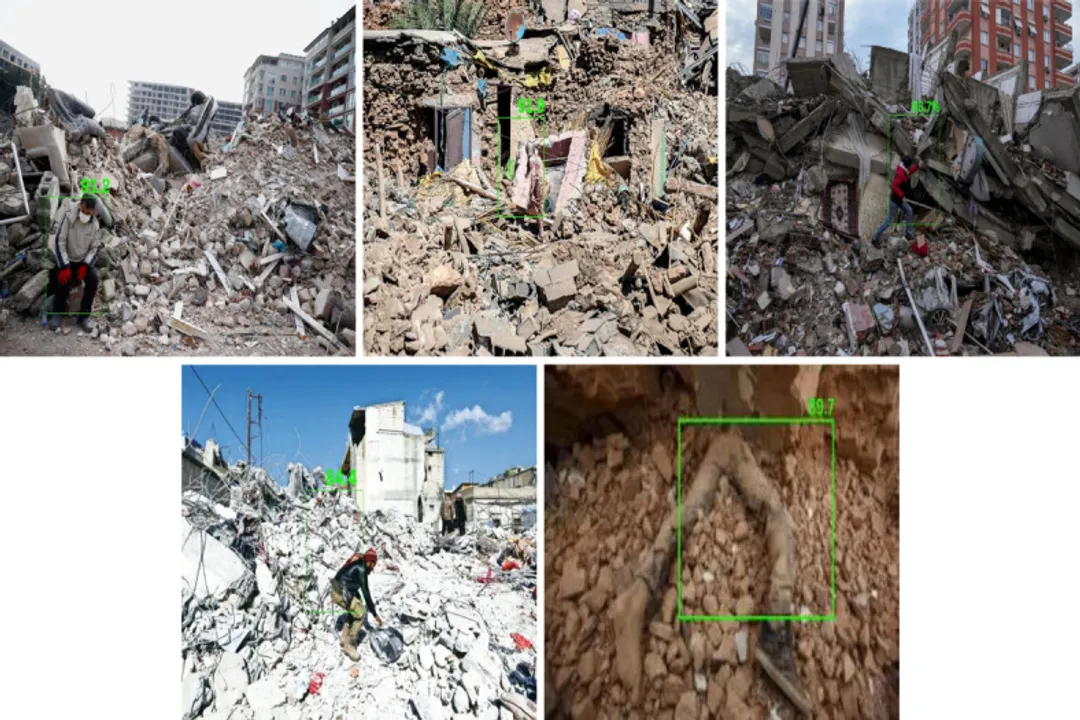
Gas-sensing devices designed for search and rescue operations operate on the principle of detecting carbon dioxide exhaled by human beings. These devices, often conceptualized as electronic noses, sample the air within trapped voids beneath debris to identify trace amounts of this specific gas. By distinguishing these human-produced gas concentrations from other ambient contaminants or residual materials in a disaster zone, responders can pinpoint the potential location of a living person, provided the ventilation conditions and gas concentration gradients are favorable.
Related Questions
What primary biological byproduct do gas-sensing devices target to identify survivors under rubble?What specific radar technology is utilized for detecting faint biological signals through heavy debris?Which materials are known to create significant signal interference for radar-based survivor detection systems?Why is it difficult to identify a single inventor for modern survivor detection technology?What is a major limitation of relying solely on gas-sensing technology to find survivors?Which research institution is actively developing gas-sensing apparatus for search and rescue operations?How do radar systems translate reflected microwave energy into a confirmation of life?Why is the concurrent deployment of gas sensing and radar detection recommended in rescue protocols?Which researcher is associated with the development of survivor search radar hardware and algorithms?What is the primary operational challenge regarding the search radius of gas-sensing devices?