What specific manufacturing benefit did Samuel Crompton's Spinning Mule provide in 1779?
Answer
It spun yarn that was strong enough for warp threads and incredibly fine and soft for muslin fabrics.
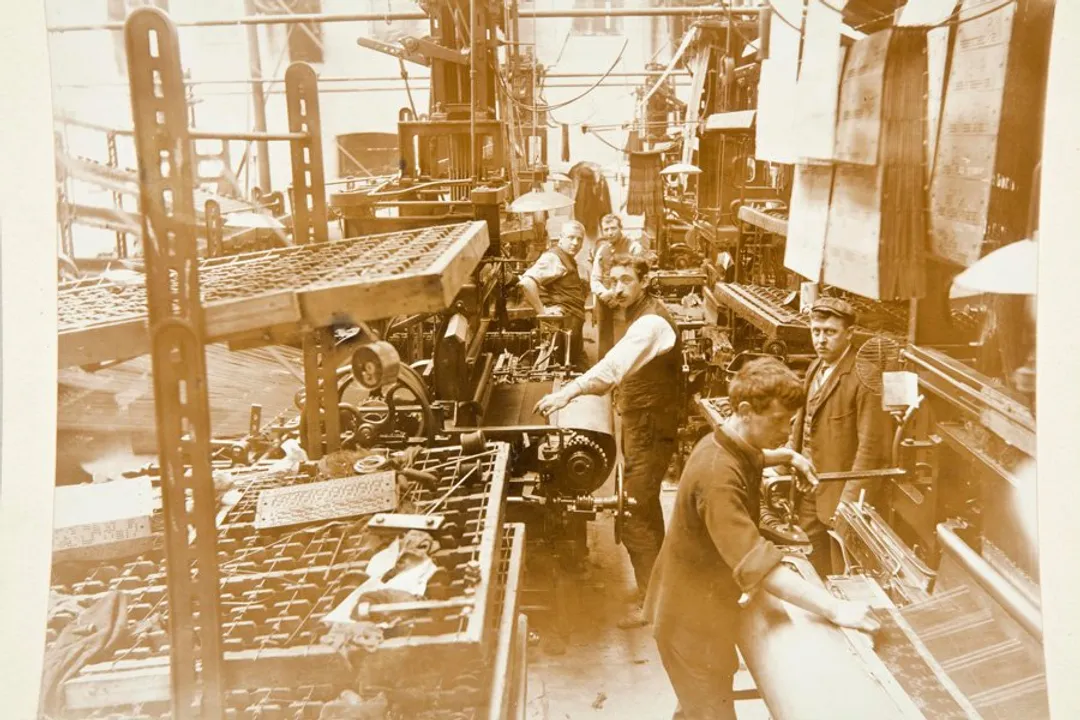
The Spinning Mule, invented by Samuel Crompton in 1779, represented the culmination of spinning mechanization by successfully merging the strengths of its predecessors. It incorporated the multi-spindle capacity of the Spinning Jenny while producing thread quality rivaling the strength achieved by the Water Frame. This combination allowed it to spin yarn that was simultaneously strong enough to be used as warp (the lengthwise threads) and exceptionally fine and soft. This capability was crucial for mass-producing high-quality fabrics like muslin, finally ensuring that yarn supply matched the demanding new weaving capabilities.
Related Questions
What industry crisis immediately followed John Kay's Flying Shuttle patent in 1733?How did Richard Arkwright's Water Frame fundamentally change factory location in 1769?What specific manufacturing benefit did Samuel Crompton's Spinning Mule provide in 1779?How did Joseph Marie Jacquard's 1801 loom accelerate patterned fabric creation?Which machine, developed around 1764, first addressed the yarn shortage created by the Flying Shuttle?What made Edmund Cartwright's Power Loom revolutionary for sheer volume weaving?Why was the invention of the Flying Shuttle described as creating a 'Weaving Lag' initially?What critical quality advancement did the Water Frame provide over the Spinning Jenny output?What infrastructure change accompanied the adoption of steam power near Manchester around 1787?Did the Jacquard Loom weave plain cloth faster than a standard Power Loom setup?