How has the sewing machine changed the world?
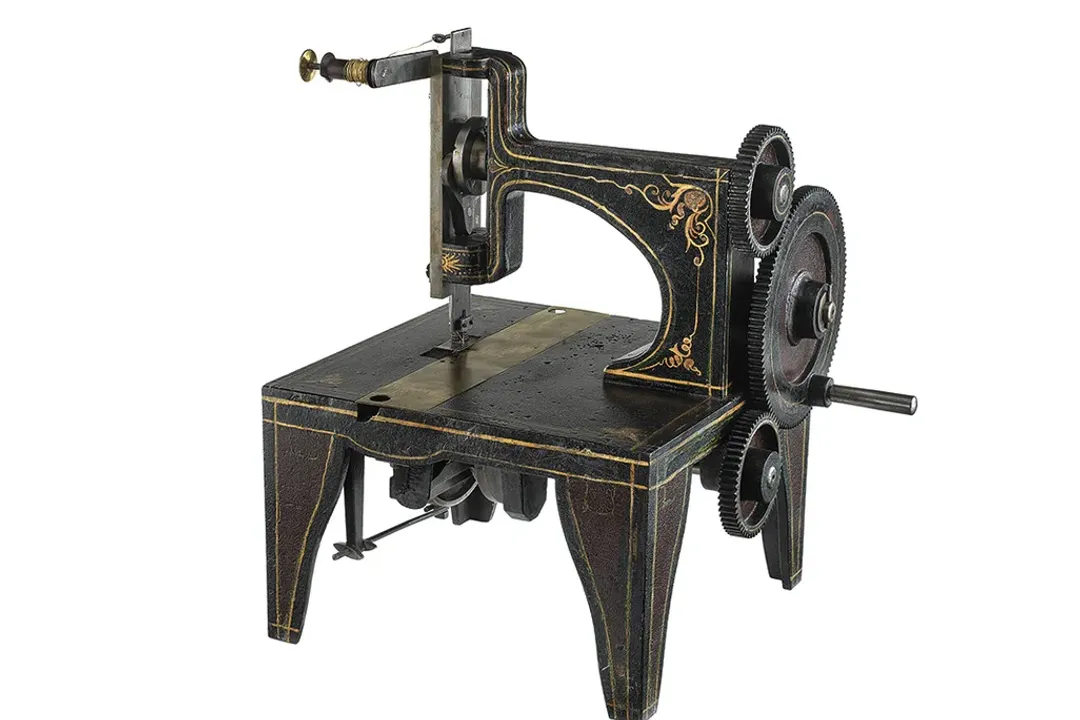
The whirring sound of a modern sewing machine is so commonplace now that it’s easy to overlook the profound, world-altering power contained within its simple mechanism. Yet, the arrival of this device, in less than two centuries, fundamentally reshaped global economics, redefined labor, and changed what it meant to own clothing. Before the mechanical stitch, every piece of fabric—from a simple shirt to royal drapery—required hundreds of painstaking hours from a human hand. [5] The invention didn't just speed up sewing; it engineered the textile world out of the cottage industry and into the industrial age, creating the modern concept of ready-to-wear apparel. [4][2]
# Slow Beginnings
For millennia, the needle and thread represented the primary technology for joining fabric. [1] This process was inherently slow, requiring considerable skill and time investment. [5] A single seamstress might take weeks to create an entire outfit by hand. [1] Because of this immense labor cost, clothing was often considered a significant investment, repaired meticulously, and rarely discarded. [4] Custom tailoring was the norm, as mass-producing garments of a consistent quality simply wasn't feasible without a breakthrough in the method of stitch creation. [2][3]
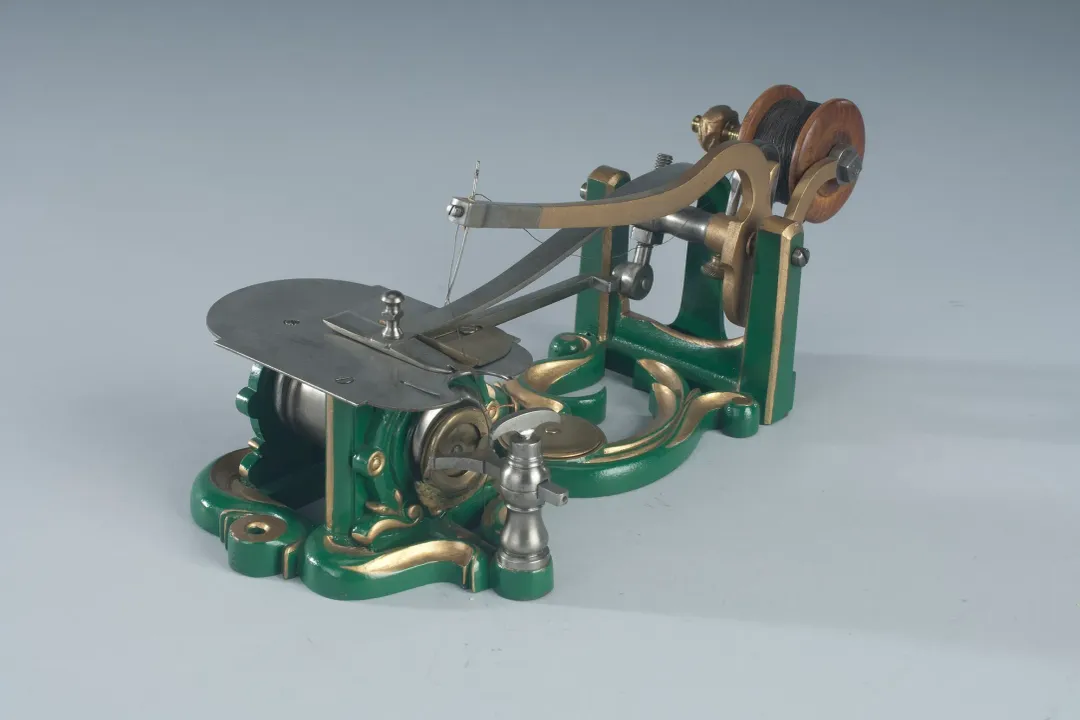
The real challenge inventors faced was not just automating the pushing of the needle, but mimicking the secure, interlocking nature of the hand stitch. [9] Early attempts often focused on single-thread chain stitching, which was fast but prone to unraveling if one link broke. [1] The true revolution lay in developing the lockstitch mechanism. [1][3]
# Mechanical Breakthroughs

The journey toward a practical machine was marked by decades of competition and contention among inventors. [7] While several individuals contributed to early designs, the critical step involved utilizing two separate threads to create a strong, interlocking stitch. [1] Elias Howe, for instance, secured a patent in 1846 for a machine that used an eye-pointed needle and a shuttle operating beneath the cloth to create the lockstitch. [1][3] Howe’s early struggles involved defending his patent against infringers, including Isaac Singer. [7]
Singer, arriving slightly later to the scene, made significant advancements in making the machine practical and commercially viable. [3] While Howe may have held the initial patent for the core lockstitch concept, Singer perfected the mechanics to allow for consistent, high-speed operation. [7] He introduced features like an upright needle bar and a presser foot to hold the fabric steady, which were essential for actual utility. [9] The period following the patent expiration wars saw a massive surge in manufacturing and adoption, as the technology became legally accessible to more producers. [7]

# Industrial Acceleration
The impact on the garment industry was immediate and dramatic. Factories equipped with these new machines could produce articles of clothing exponentially faster than any team of hand sewers. [2][5] A machine operator could achieve speeds of several hundred stitches per minute, a pace impossible for even the most skilled hand sewer to maintain consistently. [1][2]
This speed difference directly translated into a change in economic models. Before, clothing manufacture was dominated by bespoke work or very small workshops. The sewing machine enabled mass production. [4] Suddenly, standardized sizes became possible, giving rise to the ready-to-wear clothing sector that defines modern retail. [2] For manufacturers, this meant vastly reduced labor costs per unit, driving down the overall price of textiles and finished goods. [5] One fascinating metric that emerged from these early factories was the shift in efficiency measurement: output was no longer tracked by the daily time commitment of the artisan, but by the sheer volume of completed pieces emerging from the machine line. This quantifiable output, irrespective of the operator's prior skill, was a hallmark of the new industrial age efficiency. [2]
# Labor and Society
The effects rippled far beyond the factory walls, deeply altering domestic life and the labor market, particularly for women. [1] On one hand, the machine was a liberator in the home. Domestic sewing—a major, time-consuming chore for homemakers—was dramatically reduced. [5] What once took days could now take hours, freeing up time for other domestic duties, education, or leisure activities. [4]
On the other hand, the machine created new, often harsh, avenues for paid labor. [6] As production centralized, the demand for machine operators soared. [1] Factories sprung up, employing thousands, frequently young women and immigrants, who performed repetitive, piece-rate work. [6] This environment often led to the establishment of sweatshops, where workers labored long hours in poor conditions to meet the new demands of rapid production cycles. [4] The machine itself was neutral, but its industrial application created profound social stratification within the textile trade, contrasting the highly paid designer or factory owner with the low-wage machine operator. [6]
The accessibility of the machine also democratized fashion. As ready-made clothing became cheaper and more available, the distinct visual markers of wealth—elaborate, custom-stitched garments—began to blur. [4] For the average person, having access to multiple, relatively inexpensive garments was a new reality that the machine made possible. [1][5]
# Market Expansion and Accessibility
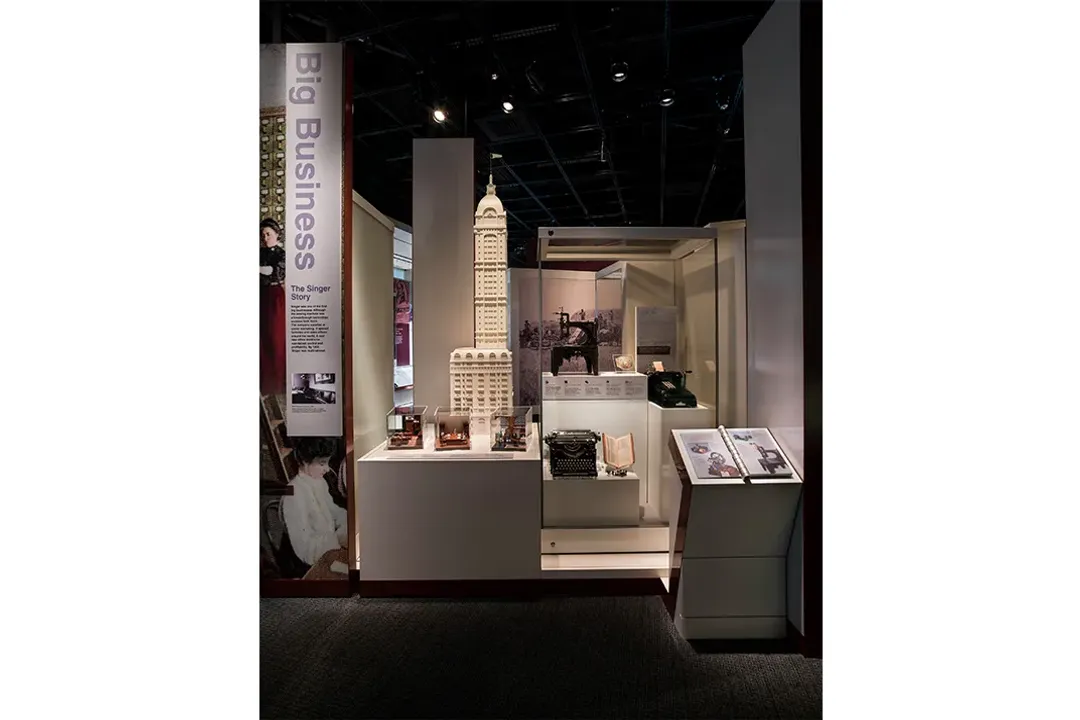
The success of the sewing machine hinged not just on its mechanics but on its marketing and distribution. Isaac Singer recognized early on that the technology needed to be sold not just to factories but to the average household. [7] Singer’s company pioneered installment plans, allowing families to purchase the expensive machines over time, often with just a small down payment. [7] This strategy successfully moved the machine from a purely industrial tool to a common household appliance, comparable to the later introduction of the washing machine or vacuum cleaner. [3]
This home adoption ensured that even as factories churned out ready-to-wear goods, many households maintained their own machines for mending, alterations, and creating custom pieces that the mass market didn't yet offer. [5] The machine quickly became a standard feature in many middle-class homes by the late 19th century. [1]
It is interesting to note the standardization this brought to visual aesthetics. When comparing a historically made quilt or garment created entirely by hand with one produced by a Singer machine from the 1870s, the latter exhibits a mechanical precision that was previously unavailable to the common person. [7] This consistency unintentionally set a new visual baseline for what constituted "good" sewing, subtly influencing consumer expectations across the board. [4]
# Beyond Clothing
While revolutionizing the ready-to-wear clothing sector was its most famous accomplishment, the sewing machine's application spread wherever pliable materials needed joining. [1] The same principles were quickly adapted for other manufacturing needs.
- Upholstery and Furniture: Creating durable seams for sofas, curtains, and carriage interiors required heavy-duty versions of the early machines. [1]
- Quilting: Though quilting has ancient roots, the machine transformed it into a more accessible and prolific craft. Quilters could now produce intricate patterns much faster, leading to new artistic expressions within the tradition. [5]
- Industrial Goods: Later industrial machines were adapted for heavy canvas, leather, and specialized synthetic materials used in everything from sails to tents and eventually automotive interiors. [1]
The core concept—using mechanical power to drive a needle and lock a stitch—proved infinitely adaptable, far exceeding its initial purpose of simply making shirts faster. [9] The continuous refinement, moving from treadle power to foot-pedal operation and eventually to electric motors, only further cemented its longevity in both domestic and industrial settings. [1][3] The evolution of its power source tracks the larger history of industrial mechanization itself.
The sewing machine’s legacy is therefore multifaceted. It was a brilliant piece of mechanical engineering that solved a centuries-old problem of textile construction. [9] Economically, it helped pave the way for modern consumer culture by enabling genuine mass production. [2] Socially, it both created new factory jobs and offered relief to domestic workers, all while fundamentally changing the speed and nature of textile creation across the globe. [4][6] It took the needle, humanity’s oldest tool for construction, and armed it with the power of the Industrial Revolution. [1]
Related Questions
#Citations
Sewing Revolution: The Machine That Changed America
How Did the Sewing Machine Impact the Industrial ...
The Complete History of a Sewing Machine
How the sewing machine changed the world
How the Invention of the Sewing Machine Changed ...
A Sewing Revolution
How Singer Won the Sewing Machine War
The machine that changed the world – one stitch at a time
Sewing machine