What mechanism constituted the true revolution in achieving a secure, interlocking stitch?
Answer
Lockstitch mechanism
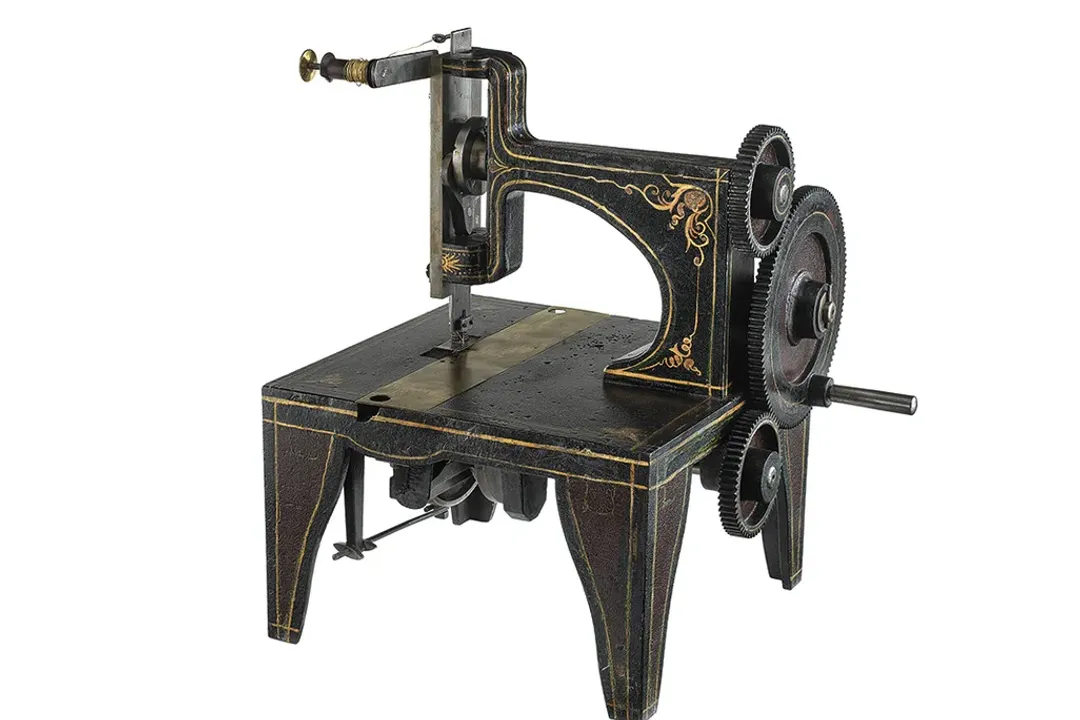
The true mechanical breakthrough in sewing technology was the development and implementation of the lockstitch mechanism. Earlier attempts often relied on single-thread chain stitching, which, while fast, had a critical vulnerability: if a single link in the chain broke, the entire seam would unravel. The lockstitch addressed this fundamental flaw by utilizing two separate threads working in tandem to create an interlocking stitch below the fabric surface, resulting in a far more durable and secure seam essential for long-lasting garments.
Related Questions
What mechanism constituted the true revolution in achieving a secure, interlocking stitch?What were the defining components of Elias Howe’s lockstitch patent secured in 1846?What essential features did Isaac Singer perfect to enable consistent, high-speed machine utility?What manufacturing concept did the speed of the new sewing machines enable within the garment industry?What negative social environment frequently developed due to the demand for rapid production cycles in centralized factories?What sales strategy did Isaac Singer pioneer that made the expensive machine accessible to the average household?Before the mechanical stitch, what status did clothing often hold due to the immense time investment required for creation?Why were early sewing machine attempts that focused on single-thread chain stitching found to be inadequate?What quantifiable metric replaced the tracking of an artisan's daily time commitment in early factory efficiency measurement?Beyond revolutionizing ready-to-wear apparel, what other manufacturing application quickly adapted heavy-duty versions of the early machines?