What prerequisite step is often mandated by modern robotic G2P systems using bin-stacking grids like AutoStore?
Answer
De-palletizing inventory into standardized totes for greater density
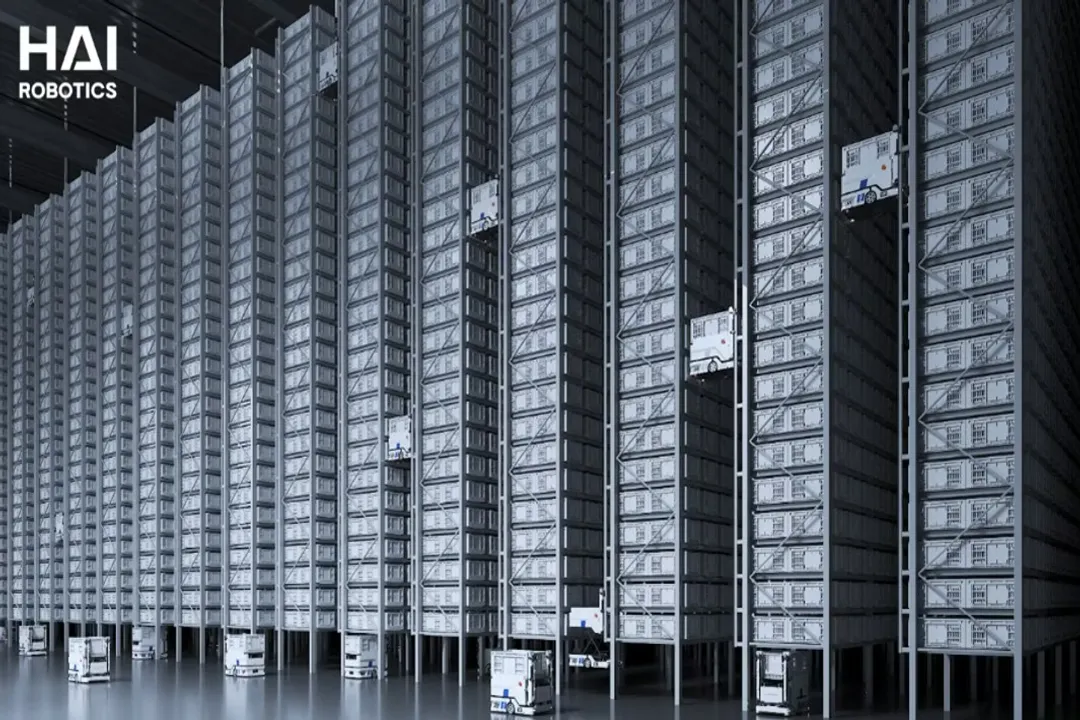
Modern robotic G2P systems that employ highly dense storage architectures, such as the grid-based, bin-stacking approach utilized by AutoStore, frequently require a preparatory step known as de-palletizing. This involves breaking down inventory from large shipping containers or pallets and repackaging it into standardized totes for storage within the system. Although this requires an upfront investment in labor or machinery, it is the trade-off accepted to enable the robot system to achieve significantly greater storage density and item accessibility, boosting overall throughput per square foot.
Related Questions
What non-value-added activity does the initial G2P principle aim to reduce?What early, rudimentary form of G2P involved goods moving while the person stayed put?How did early Automated Storage and Retrieval Systems (AS/RS) incorporate G2P logic?What specific picking operation did early AS/RS implementations often fail to solve?What system defined a modern breakthrough in G2P by using a grid-based structure for dense storage?What economic characteristic typically defines modern AMR-based G2P systems versus early fixed mechanical systems?In the progression of G2P enablement, what was the primary contribution of Storage System Designers?How do intelligent robots offered by companies like HAI Robotics move beyond simple mechanical transport?What prerequisite step is often mandated by modern robotic G2P systems using bin-stacking grids like AutoStore?What is the fundamental division of labor that defines the G2P functional definition persisting for a century?What characterized the initial phase of automated order picking systems roughly a century ago?