What is the fundamental division of labor that defines the G2P functional definition persisting for a century?
Answer
Machinery handles searching and moving; humans handle identification, verification, and packing
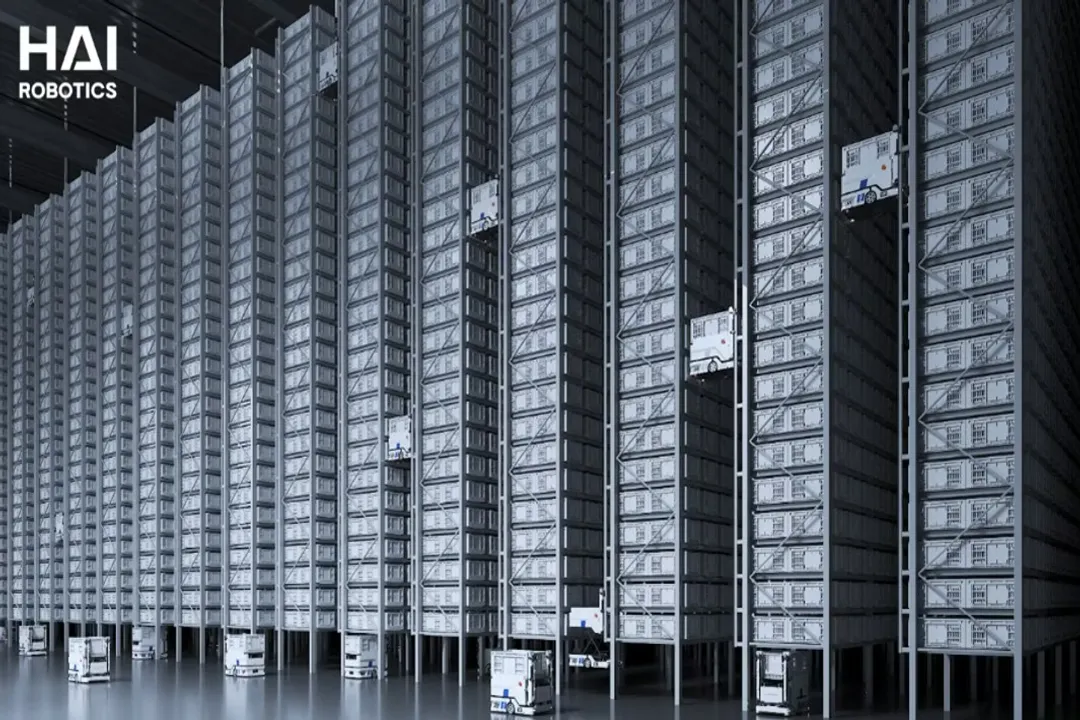
The core, persistent functional definition of Goods-to-Person (G2P) relies on a distinct separation of duties that maximizes efficiency. The automated machinery or robotic system is responsible for all the labor-intensive, non-value-added tasks, specifically locating the inventory item in storage and physically moving it. The human worker is then isolated to performing the high-value, cognitive tasks that require confirmation and final processing: accurately identifying the correct item presented, verifying its condition or quantity, and completing the packing procedure.
Related Questions
What non-value-added activity does the initial G2P principle aim to reduce?What early, rudimentary form of G2P involved goods moving while the person stayed put?How did early Automated Storage and Retrieval Systems (AS/RS) incorporate G2P logic?What specific picking operation did early AS/RS implementations often fail to solve?What system defined a modern breakthrough in G2P by using a grid-based structure for dense storage?What economic characteristic typically defines modern AMR-based G2P systems versus early fixed mechanical systems?In the progression of G2P enablement, what was the primary contribution of Storage System Designers?How do intelligent robots offered by companies like HAI Robotics move beyond simple mechanical transport?What prerequisite step is often mandated by modern robotic G2P systems using bin-stacking grids like AutoStore?What is the fundamental division of labor that defines the G2P functional definition persisting for a century?What characterized the initial phase of automated order picking systems roughly a century ago?