How do intelligent robots offered by companies like HAI Robotics move beyond simple mechanical transport?
Answer
By optimizing which item is retrieved and when, often learning from picking patterns
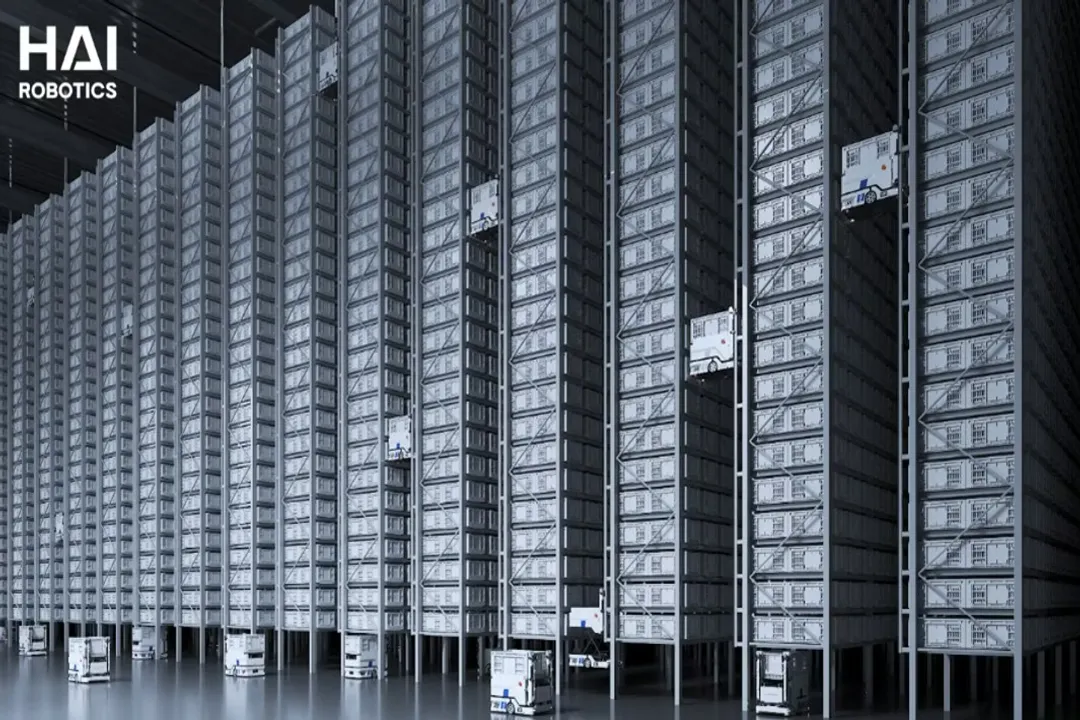
The advancements seen in systems provided by companies like HAI Robotics represent a move from simple mechanical conveyance toward true intelligent transport. This leap is facilitated by sophisticated software and navigation capabilities that manage storage and retrieval dynamically. The key differentiator is the intelligent optimization layer; these systems learn from warehouse picking patterns to dynamically determine the optimal sequence for retrieval and may strategically stage frequently requested items closer to fulfillment ports, enhancing responsiveness.
Related Questions
What non-value-added activity does the initial G2P principle aim to reduce?What early, rudimentary form of G2P involved goods moving while the person stayed put?How did early Automated Storage and Retrieval Systems (AS/RS) incorporate G2P logic?What specific picking operation did early AS/RS implementations often fail to solve?What system defined a modern breakthrough in G2P by using a grid-based structure for dense storage?What economic characteristic typically defines modern AMR-based G2P systems versus early fixed mechanical systems?In the progression of G2P enablement, what was the primary contribution of Storage System Designers?How do intelligent robots offered by companies like HAI Robotics move beyond simple mechanical transport?What prerequisite step is often mandated by modern robotic G2P systems using bin-stacking grids like AutoStore?What is the fundamental division of labor that defines the G2P functional definition persisting for a century?What characterized the initial phase of automated order picking systems roughly a century ago?