Which mathematical property was physically realized through the design of the Leibniz multiplier?
Answer
Distributive property of multiplication
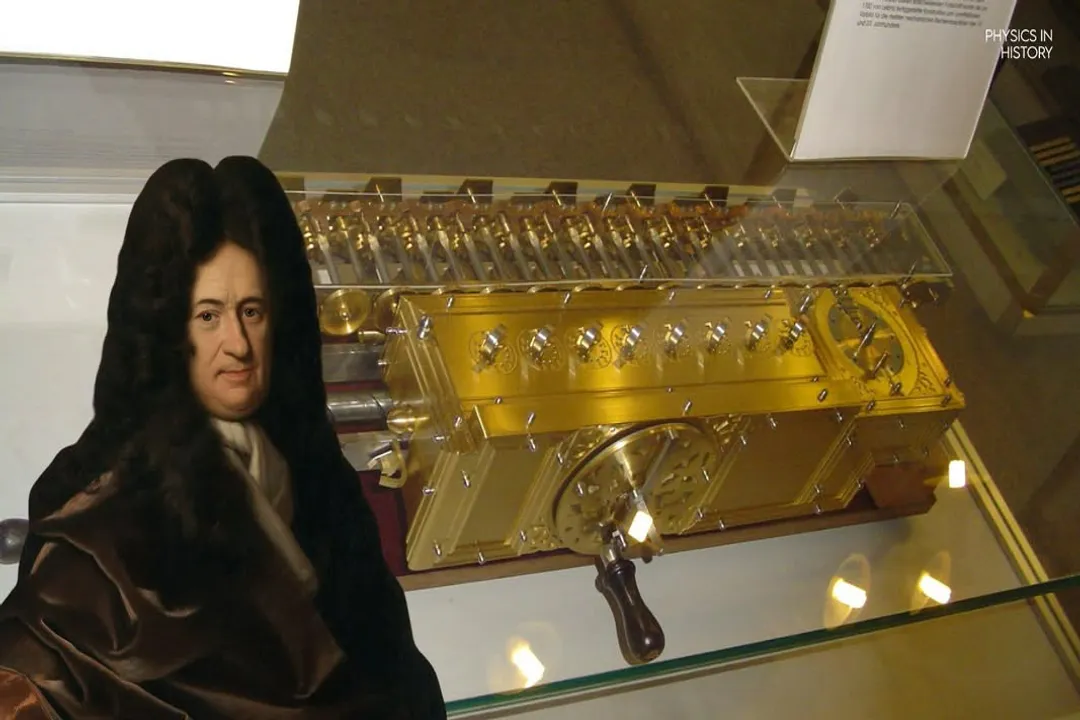
The genius of the Leibniz multiplier was not in discovering a new mathematical rule, but in engineering a physical mechanism to flawlessly execute an existing one. The operation of multiplication implemented by the stepped drum directly realized the distributive property of multiplication, often expressed as $a(b+c) = ab + ac$. By engaging the steps for each digit of the multiplicand simultaneously or sequentially in a structured manner, the machine effectively distributed the multiplier across the digits of the multiplicand, achieving the final product in fewer, more direct mechanical steps than iterative addition would allow.
#Videos
Gottfried Wilhelm Leibniz, 1672, demonstration video - YouTube
Related Questions
What mechanical component is the heart of the "Leibniz multiplier" capability in the Stepped Reckoner?How did the Stepped Reckoner's multiplication method differ from the Pascaline's iterative approach?Which inventor created the advanced mechanical calculator that preceded the Stepped Reckoner?What characterized the series of teeth on Leibniz's stepped drum for multiplication?Which mathematical property was physically realized through the design of the Leibniz multiplier?Approximately when did Gottfried Wilhelm Leibniz first conceive of the mechanism for his groundbreaking calculating machine?What technical difficulty delayed the successful realization of reliable multiplication on the Stepped Reckoner?How was the function of division performed within the architecture of the Stepped Reckoner?Which later commercial calculating machine concept was influenced by the vital principle of the stepped drum?Besides addition and subtraction, what two other primary arithmetic functions was the Stepped Reckoner designed to handle?