What characterized the series of teeth on Leibniz's stepped drum for multiplication?
Answer
Varying lengths corresponding to numbers one through nine
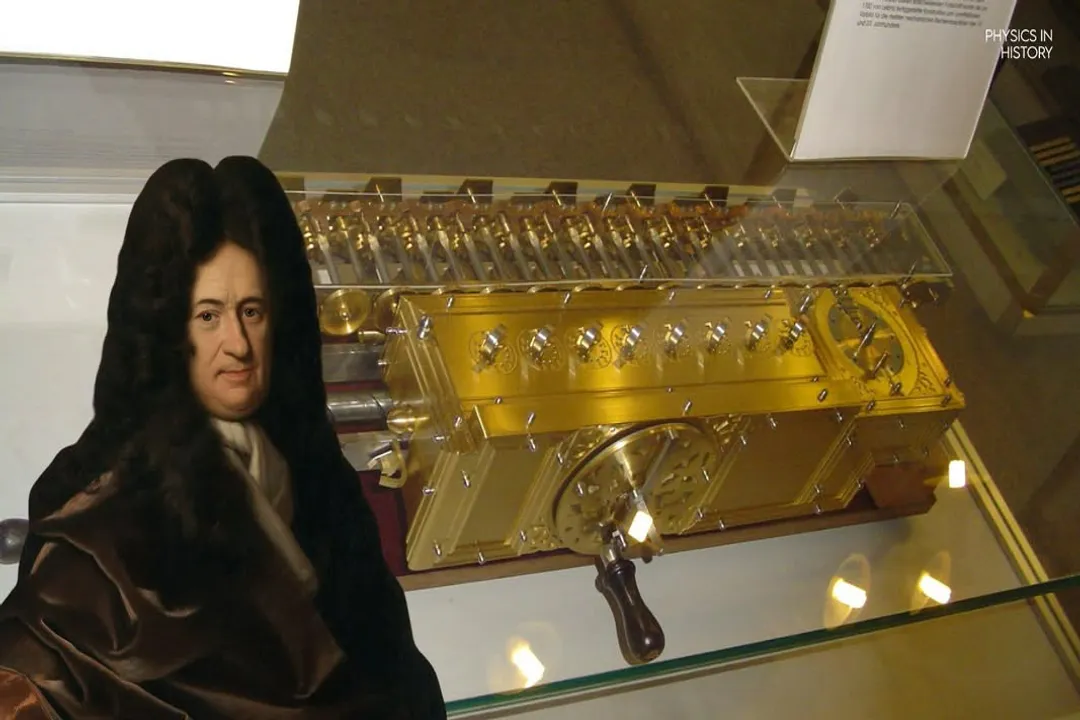
The defining physical feature of the stepped drum, which enabled the concept of the Leibniz multiplier, was the arrangement of its teeth. Unlike simpler notched wheels, Leibniz designed this crucial component so that it featured teeth of differing lengths. Specifically, these lengths corresponded numerically to the values one, two, three, all the way up to nine. This allowed the mechanical system to instantaneously know how far to advance the result gear based on the multiplier digit engaged, fundamentally tying the physical structure of the cylinder directly to base-ten arithmetic for multiplication.
#Videos
Gottfried Wilhelm Leibniz, 1672, demonstration video - YouTube
Related Questions
What mechanical component is the heart of the "Leibniz multiplier" capability in the Stepped Reckoner?How did the Stepped Reckoner's multiplication method differ from the Pascaline's iterative approach?Which inventor created the advanced mechanical calculator that preceded the Stepped Reckoner?What characterized the series of teeth on Leibniz's stepped drum for multiplication?Which mathematical property was physically realized through the design of the Leibniz multiplier?Approximately when did Gottfried Wilhelm Leibniz first conceive of the mechanism for his groundbreaking calculating machine?What technical difficulty delayed the successful realization of reliable multiplication on the Stepped Reckoner?How was the function of division performed within the architecture of the Stepped Reckoner?Which later commercial calculating machine concept was influenced by the vital principle of the stepped drum?Besides addition and subtraction, what two other primary arithmetic functions was the Stepped Reckoner designed to handle?