Where could AC power generation be centralized compared to Edison's DC system?
Answer
In areas where fuel (like coal) was cheaper or where water power was available.
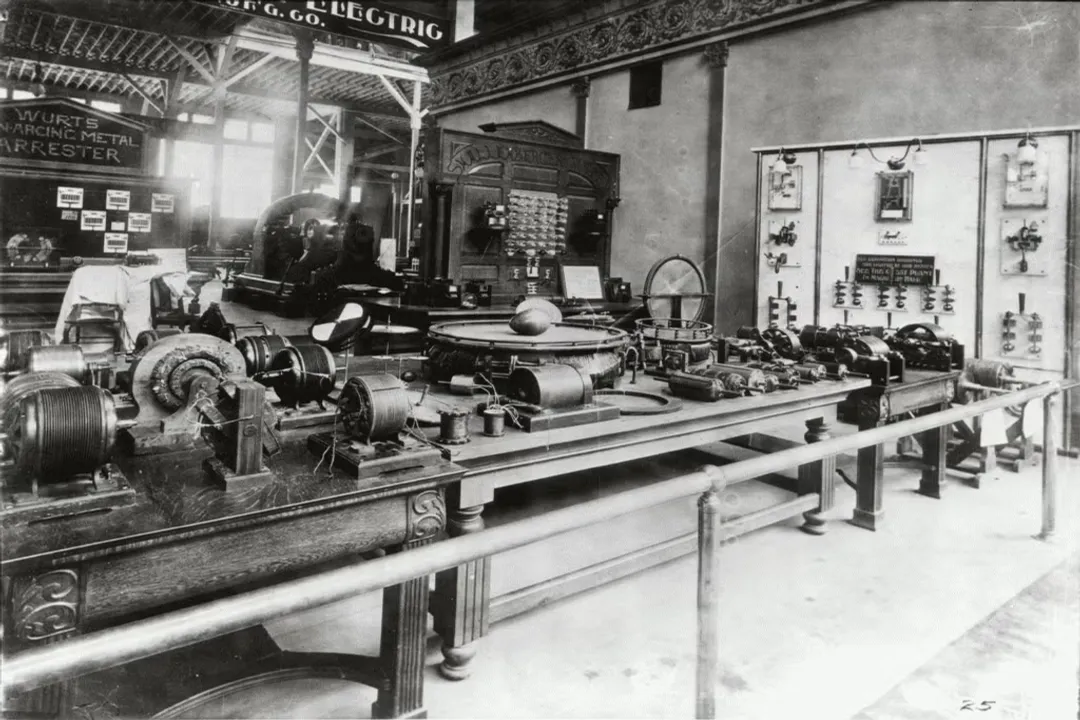
Because Alternating Current (AC) transmission, facilitated by transformers, drastically minimized energy loss over long distances, the geographical tether connecting generation to consumption was broken. Unlike Edison's DC system, which mandated that power stations be placed locally due to heat loss constraints, the AC system permitted strategic placement of large power generation facilities. This allowed utilities to site plants optimally—for instance, near abundant, lower-cost fuel sources like coal fields or reliable sources of hydroelectric power (water power)—even if those locations were far removed from the city centers requiring the electricity.
Related Questions
What type of power did Edison's Pearl Street Station primarily distribute in 1882?What fundamental limitation forced Edison's DC model to require frequent power stations?What key AC technology development enabled efficient long-distance transmission?What historical clash characterized the competition between Edison and Westinghouse/Tesla interests?Besides the incandescent bulb, what primary contribution did Edison supply to the utility model?What critical device did Nikola Tesla develop that utilized AC technology?What power source technology marked a major evolutionary step over reciprocating engines in central utility stations?Where could AC power generation be centralized compared to Edison's DC system?Which decades are electricity historians often pointing to for the formalization of the electric utility industry?Which standard element, required for interconnected service, was established around 60 Hz in the US?Approximately how far did Edison's initial Direct Current power distribution extend from the Pearl Street Station?