Who invented electric kettles?
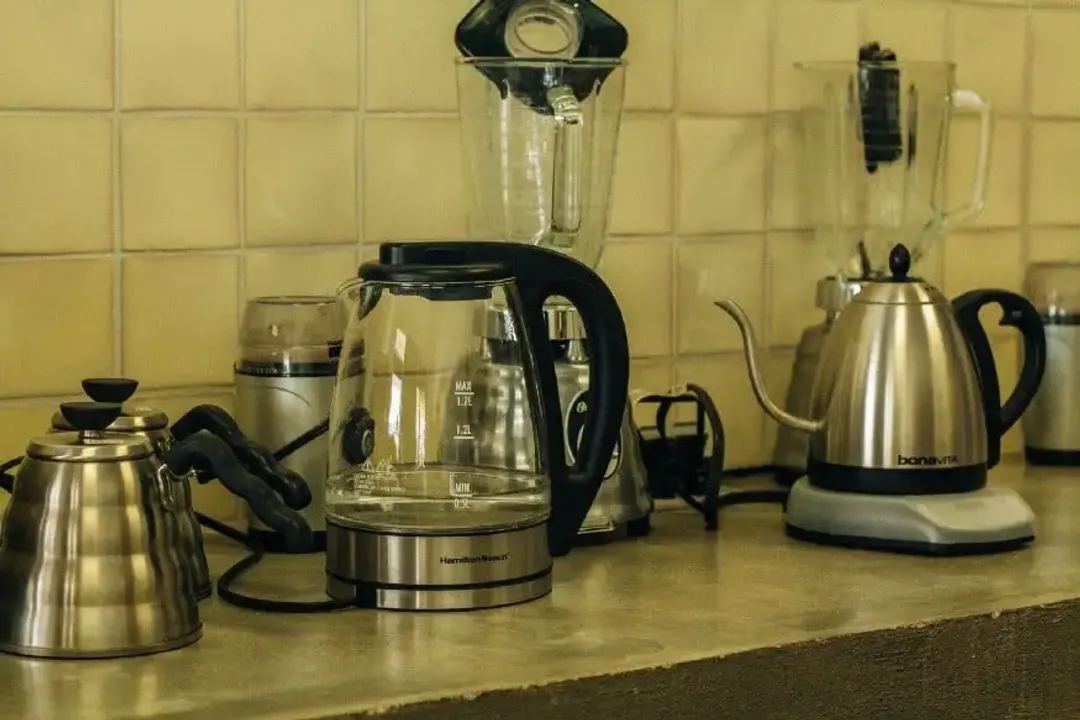
The simple act of boiling water rapidly has become so ingrained in daily routines, particularly across Europe, that it’s easy to forget the appliance responsible—the electric kettle—had a distinct origin story separate from its stovetop ancestors. [5][10] While the traditional kettle, a vessel designed to sit on a fire or stove grate, has existed for centuries, the move to integrate the heat source directly into the appliance marks the true beginning of the electric version. [3][9]
# Early Concepts
Long before the sleek, cordless models of today existed, inventors were contemplating how to apply newly harnessed electrical power to domestic tasks. The general concept of electric heating elements began to take shape in the latter half of the 19th century, primarily with designs focused on heating water for hygiene or beverages. [3][9] Some historical references point toward the work of Frederick Gutmann, who is credited with early designs for electric water heating apparatus around 1870. [3] These initial attempts were often cumbersome and were more akin to immersion heaters placed into existing containers rather than self-contained kettles. [9]
# Chicago Pioneer
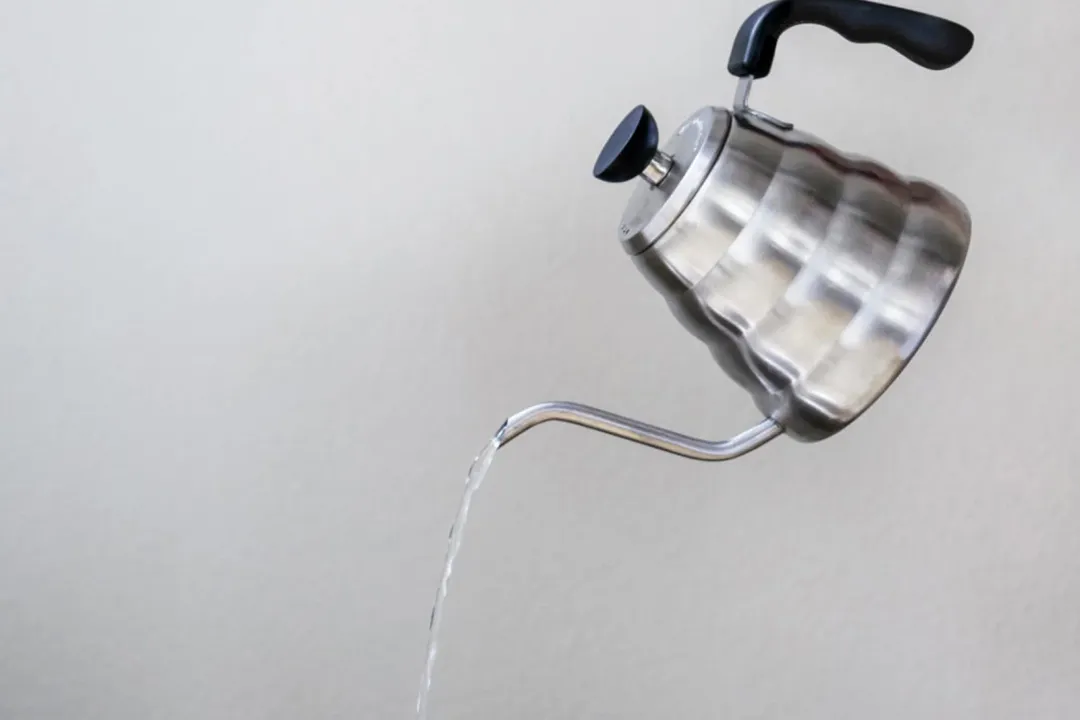
The crucial step toward the modern electric kettle involved packaging the heating element directly within the water vessel, allowing the appliance to operate independently on an electrical circuit. [1] This innovation appears to have materialized in the United States. Records indicate that the Carpenter Electric Company of Chicago introduced an early version of the electric kettle in 1891. [1] This specific model featured an internal heating element, marking a significant departure from earlier, external heating methods. [1]
The engineering challenge solved by this design was profound: how to safely and efficiently transfer electrical energy into thermal energy inside the contained water, without the user needing to manage an external flame or burner. [1] The initial implementation of an internal element, while revolutionary, often created maintenance issues, as the element was frequently difficult to clean or replace when it eventually failed. [7]

# Element Separation
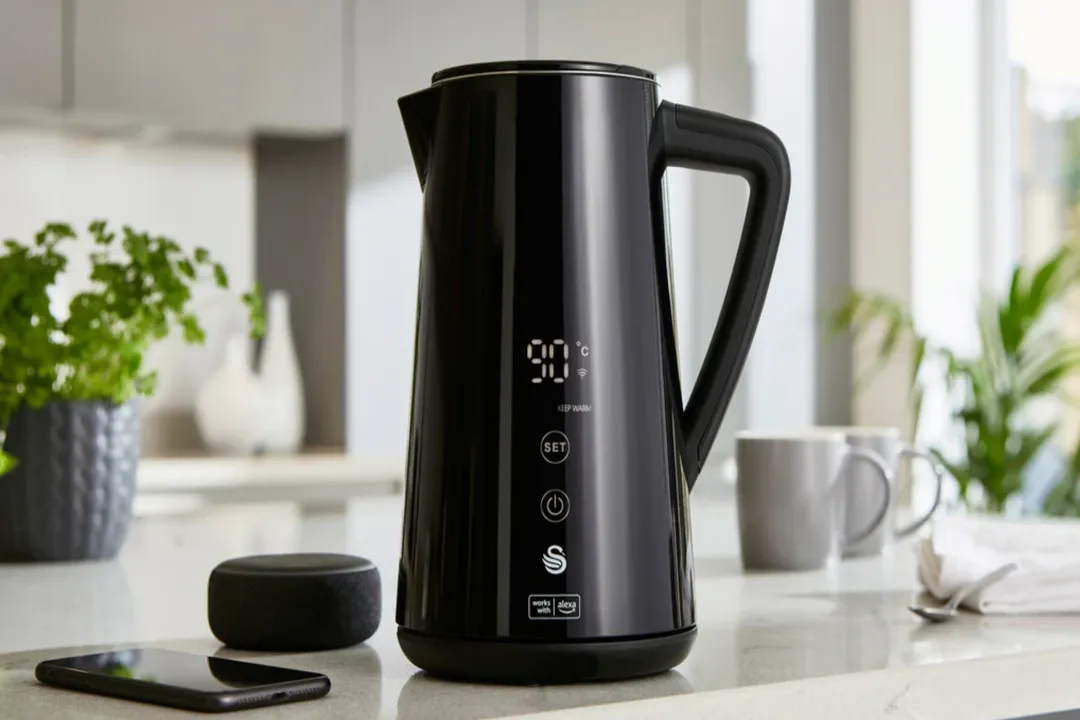
While the 1891 Chicago model established the electric kettle concept, the true usability revolution didn't come until the element was separated from the main body of the kettle itself. [9] Early electric kettles were usually wired directly, meaning the entire unit had to be carefully moved away from the electrical outlet, often while hot, which presented inherent safety risks and reduced convenience. [7]
The move towards a design where the kettle simply sat on a separate powered base marked a major paradigm shift in user experience. This design, which gained traction later, allowed the user to lift the kettle to pour without dealing with cords, and it simplified the internal plumbing, as the electrical connection was isolated to the base plate. [9] Considering the early, clumsy nature of the wiring and the high-wattage requirements even then, designing an appliance that could be safely handled mid-boil required significant material science and electrical expertise. [7] It is this base-and-kettle separation that many modern users implicitly associate with the appliance, even though the first electric kettle likely had a permanently attached cord. [9]
# British Adoption
While the invention took root in America, the electric kettle found its most fervent and enduring adoption in the United Kingdom. [5][6] The British tradition of tea drinking created a ready and consistent market demand for rapid, on-demand boiling technology. [5][10] Though the exact British inventor or the date of the first model sold there is sometimes obscured by competing early patents, the appliance quickly became a staple of the British kitchen in the decades following its introduction. [6][10]
The early adoption in the UK was also tied to the development of specialized branding and models. Companies like Swan became closely associated with domestic electrics, including kettles, ensuring that the technology moved from industrial novelty to everyday household item. [6] This widespread acceptance in the UK, which seems to far outpace initial adoption in other parts of the world, highlights how cultural habits can drive the success of a new technology more than the invention itself. [5] For instance, while many American homes might default to a stovetop kettle or microwave water heating even today, the electric kettle became synonymous with the quick cup of tea in Britain. [5]
# Design Evolution
The journey from the 1891 model to today’s iteration shows a continuous effort to improve speed, safety, and longevity. Early models were often slow and expensive to run because the heating elements were inefficiently designed or used high resistance materials that degraded quickly. [7]
The materials changed significantly as well. Early vessels might have been glass or ceramic, but metal bodies—often stainless steel—became common as they better handled the thermal stress and provided a sturdier housing for the internal components. [9] Furthermore, the addition of features like automatic shut-off, which prevents the kettle from boiling dry and potentially damaging itself or causing a fire, was a non-negotiable safety feature that took time to perfect. [3][7] If we were to map the efficiency gains, the move from immersion-style resistance heating to concealed elements that optimize heat transfer to the water would represent the greatest leap in power consumption reduction over time. A typical early 1000-watt element performed far less effectively than a modern 2000-watt element due to better material science allowing for higher operating temperatures and better insulation of the heat path.
The comparison between the historical models and contemporary ones reveals a shift in priorities:
| Feature | Early Electric Kettle (c. 1900-1930) | Modern Cordless Kettle (c. 2000+) |
|---|---|---|
| Heating Element | Exposed or internal, difficult to clean [7] | Concealed beneath a flat metal plate |
| Power Cord | Permanently attached to the body | Detachable; sits on a separate power base |
| Safety | Required manual monitoring; risk of boiling dry | Automatic shut-off mechanism |
| Speed | Often relatively slow due to lower efficiency | Very fast, often achieving a rolling boil in under two minutes [4] |
The invention, therefore, is not attributable to a single person or moment but rather a cascade of engineering improvements stemming from the initial 1891 concept. [1][9] It was the perfection of the element and the base that truly made the electric kettle a successful, ubiquitous kitchen appliance rather than just an interesting electrical novelty. [7]
#Videos
How Electric Kettles were Invented - YouTube
Related Questions
#Citations
Kettle – 1891 - Magnet Academy - National MagLab
The History of Electric Kettles
Kettle - Wikipedia
The Kettle: Past, Present, and Future - Aqua Libra
Whats up with Europeans (mainly people from the UK) thinking ...
A Brief History of the Electric Kettle - Teasmade
Electric Kettles, Burned Fingers and the Riddle of Commoditised ...
How Electric Kettles were Invented - YouTube
The History Of The Kettle - Tansy Bradshaw
Electric Kettles - John Lewis Partnership Memory Store