What critical difference separates the intent behind ancient food wrapping from modern edible packaging development?
Ancient methods relied on existing food robustness; modern aims to mimic synthetic polymer barrier properties using organic chemistry
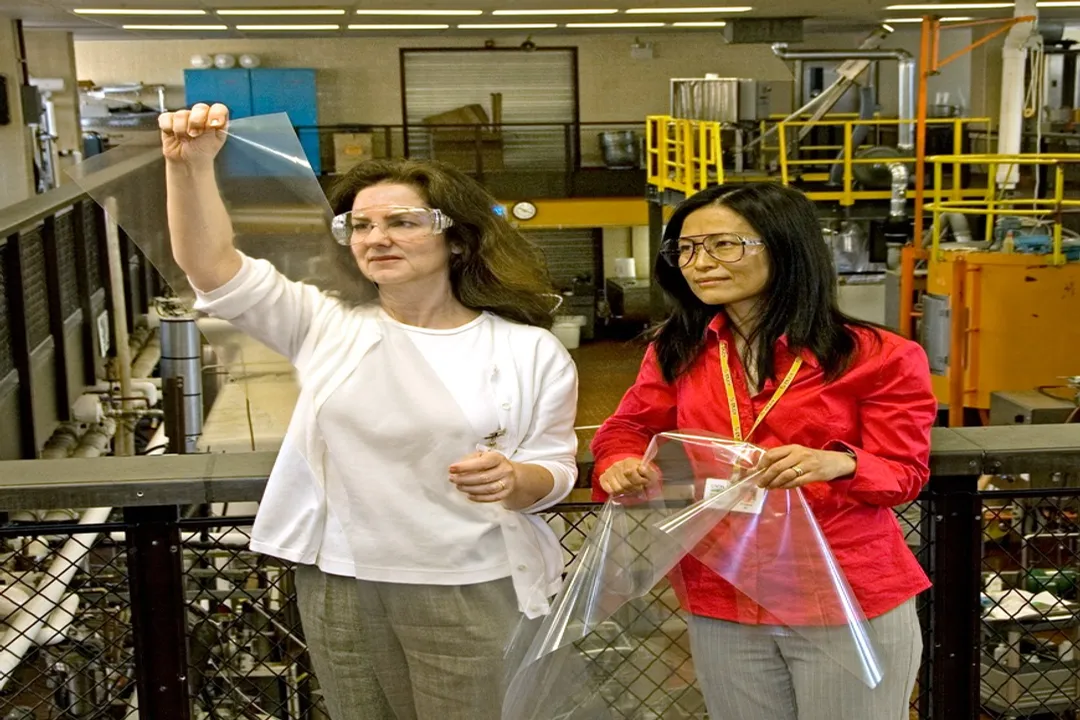
While both historical and contemporary practices involve enclosing food, the underlying scientific intent is vastly different. Ancient methods utilized the inherent robustness of existing food structures, such as thick dough or natural casings, for basic protection. Modern edible packaging, conversely, involves sophisticated material science and organic chemistry. The contemporary objective is to actively engineer natural biopolymers to replicate the high-performance barrier properties—like resistance to vapor and gas transmission—that synthetic polymers provide, moving the practice from simple containment toward functional encapsulation.