In the design evolution, how does the power cord on a modern cordless kettle differ from the first electric kettles?
Answer
Modern kettles feature a detachable cord on a separate power base.
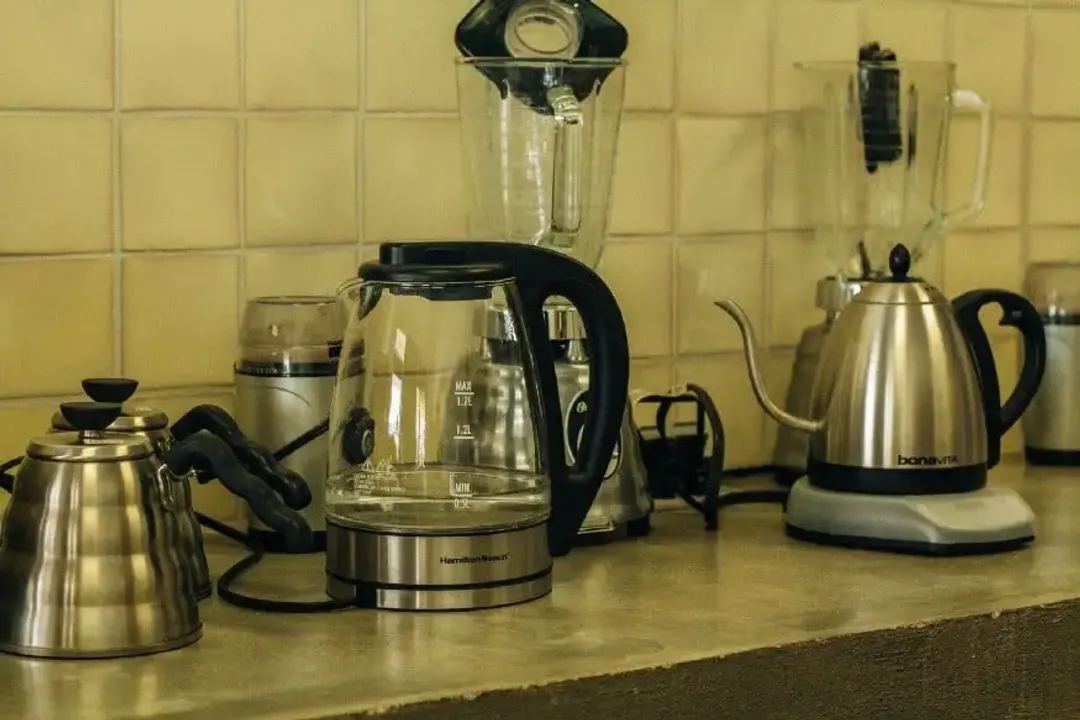
The transition from a permanently attached cord to a detachable system residing on a separate power base marks a significant design evolution. Early kettles required the user to move the entire unit, often while hot, away from the outlet because the cord was permanently wired to the body, presenting obvious safety hazards. The cordless design isolates the electrical connection to the base plate, allowing the kettle itself to be lifted freely and safely for pouring.
#Videos
How Electric Kettles were Invented - YouTube
Related Questions
Which company introduced the electric kettle with an internal heating element in 1891?Who is credited with early designs for electric water heating apparatus around 1870?What change brought the true usability revolution to the electric kettle design?What cultural habit primarily drove the fervent adoption of the electric kettle in the UK?Which company became closely associated with domestic electrics, including kettles, in the UK market?What safety feature was perfected over time to prevent the kettle from boiling dry?What issue frequently arose with the internal heating element introduced in the 1891 Chicago model?Which material choice became common for kettle bodies due to better handling of thermal stress?In the design evolution, how does the power cord on a modern cordless kettle differ from the first electric kettles?What process caused the greatest reduction in power consumption efficiency over time?