How has the functional evolution of rescue robotics progressed over the last two decades?
Answer
From basic visual assessment to active intervention and transport
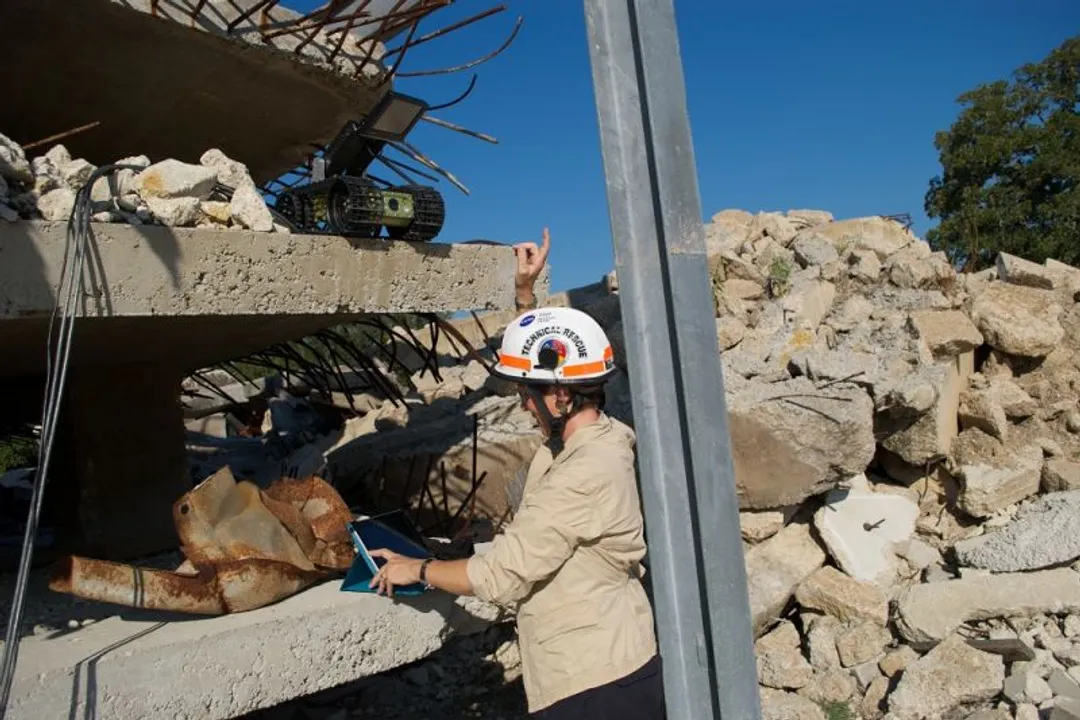
The trajectory of rescue robotics has shifted from simple reconnaissance tasks to more complex, multi-functional roles. Initially, the technology focused on getting a camera into a hazardous area to gather visual information. As the field matured, requirements expanded to include environmental monitoring, such as air quality and radiation detection, and eventually, active intervention, such as transporting medical supplies. This evolution highlights a maturation from observation-based tools to active support systems.
#Videos
After Disaster Strikes, Robots to the Rescue - YouTube
Related Questions
What fundamental role did Dr. Robin Murphy play in the field of rescue robotics?Which organization provided foundational research support for Dr. Ronald C. Arkin?What is the primary operational purpose of the PackBot developed by iRobot?What specific operational challenge was the Gemini Scout designed to address?Why is system interoperability essential for robotic deployment in a disaster zone?What is a defining goal for the next-generation Juxin platform slated for 2025?How has the functional evolution of rescue robotics progressed over the last two decades?What factors dictate the selection of a specific robotic form factor, such as a tracked unit versus an aerial drone?What event served as a major catalyst for the deployment of ground robots at Ground Zero?Which statement accurately characterizes the invention and development of rescue robotics?