Who invented palletizing robots?
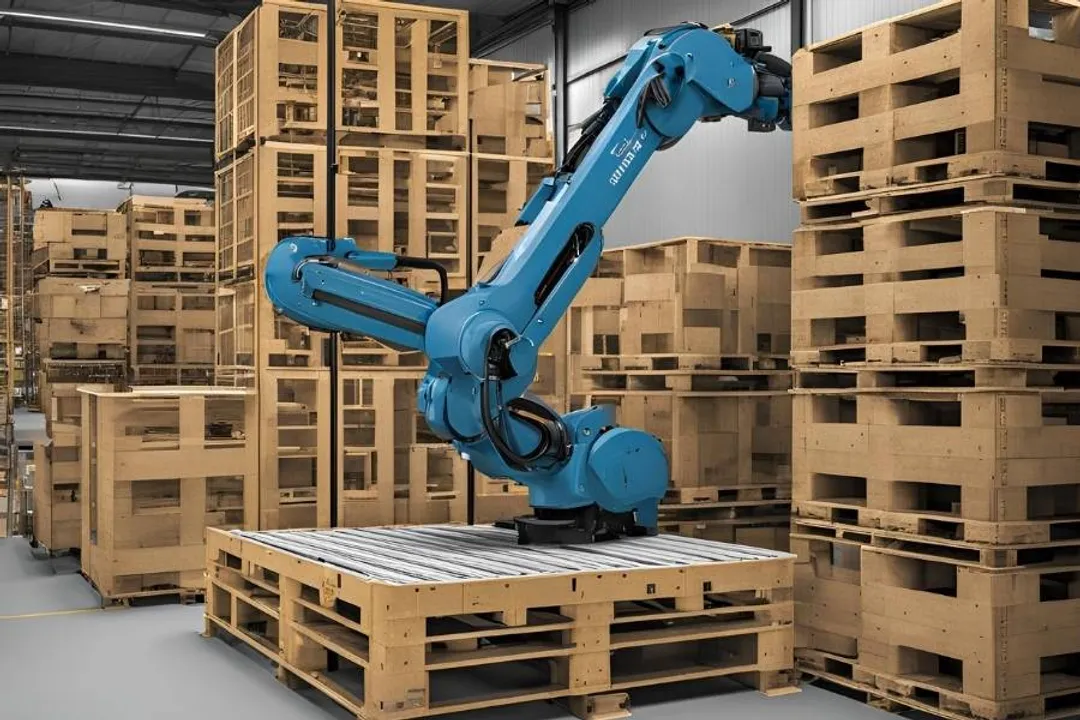
The sight of perfectly stacked cases, boxes, or bags forming neat pyramids on a pallet is so commonplace in modern logistics that it’s easy to forget the sheer physical strain and repetitive nature of the task when done by hand. Palletizing, the process of arranging products onto a pallet for efficient storage and transport, has always been a bottleneck and a high-risk area for worker injury due to heavy lifting and monotonous movements. The arrival of automated machinery, and specifically robotic palletizers, marked a profound shift in supply chain management, moving the responsibility from human backs to sophisticated mechanical arms. However, pinpointing a single "inventor" of the palletizing robot is less like identifying a lone genius with a blueprint and more like tracking a significant evolutionary milestone in automation technology. [1][2]
# Precursor Systems

Before the flexible robotic arm became the standard, manufacturers sought relief from the drudgery of stacking through more rudimentary automation. The initial attempts at automating this process were often fixed, mechanical systems, sometimes referred to as conventional or layer-type palletizers. [1][2] These machines were designed to handle a specific product size and stacking pattern, often using belts, chains, or infeed systems to gently place entire layers of product onto the pallet at once. [1]
These conventional palletizers represented a significant step forward from purely manual operations, successfully eliminating much of the heavy lifting and speeding up the rate at which product could be prepared for shipment. [1] However, their major drawback was a crippling lack of flexibility. If a company needed to switch production to a different sized case or adopt a new, more space-efficient stacking pattern—a common requirement in fast-moving consumer goods—the entire conventional machine often needed extensive, costly retrofitting or complete replacement. [1][2] The inherent inflexibility meant that while they solved the labor and speed issue for high-volume, single-SKU production lines, they could not adapt to the increasing product diversity characteristic of modern warehousing. [2][7] This limitation created the perfect technological vacuum for a more adaptable solution to emerge.
# The Robotic Leap
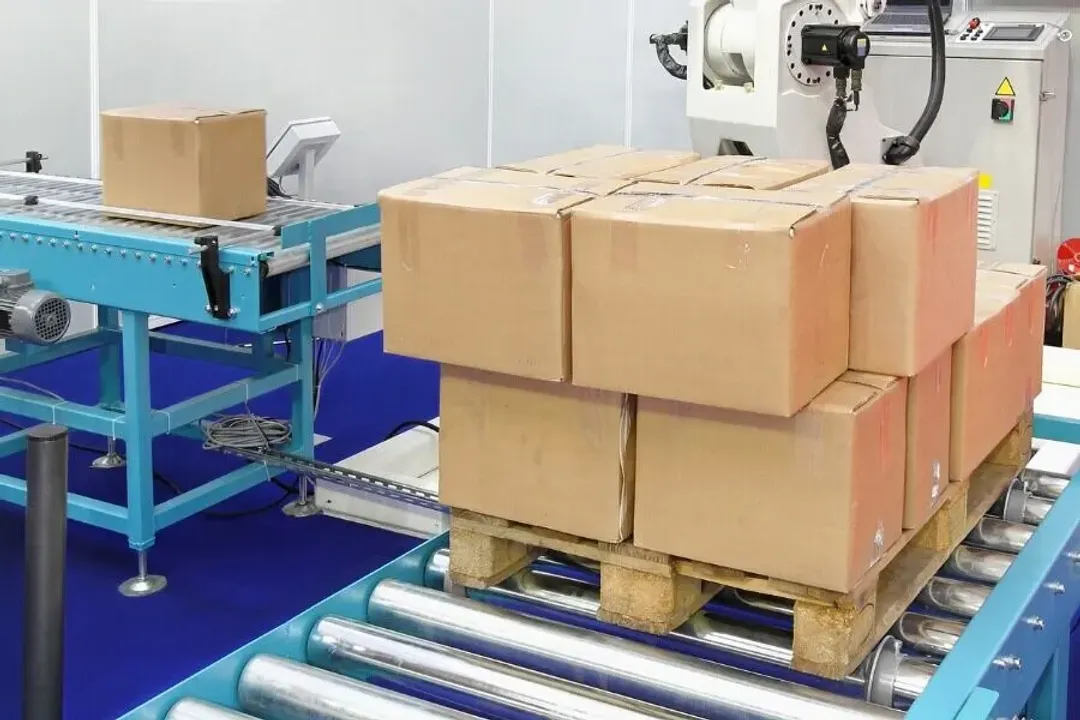
The true revolution arrived with the integration of programmable robots into the palletizing function. While the exact origin story of the very first robotic palletizer is often debated in industry lore, the technology became viable as industrial robotics matured through the 1960s and 1970s. [1][2] The key difference between a conventional palletizer and a robotic palletizer lies in the versatility of the end effector—the "hand" of the machine. [2] A conventional machine handles a layer; a robot can handle a single case, allowing it to build complex, interlocking patterns one item at a time, guided by software. [1][2]
The sources available trace this evolution, suggesting that the commercial viability and widespread adoption of these sophisticated machines occurred as the general field of robotics gained traction. [1] Robotics provided the necessary dexterity and reprogrammability that conventional systems lacked. [2] It was the marriage of the articulating arm—capable of moving along multiple axes—with computer control that allowed operators to redefine the stacking sequence simply by changing the software parameters, rather than rebuilding hardware. [1] This shift from fixed automation to flexible automation is what fundamentally defines the invention of the robotic palletizer. If we consider the invention to be the point at which a multi-axis, programmable industrial robot was successfully tasked with the palletizing function, it sits squarely within the broader advancement of robotics technology that characterized the late 20th century. [1][2]
# Axis Progression
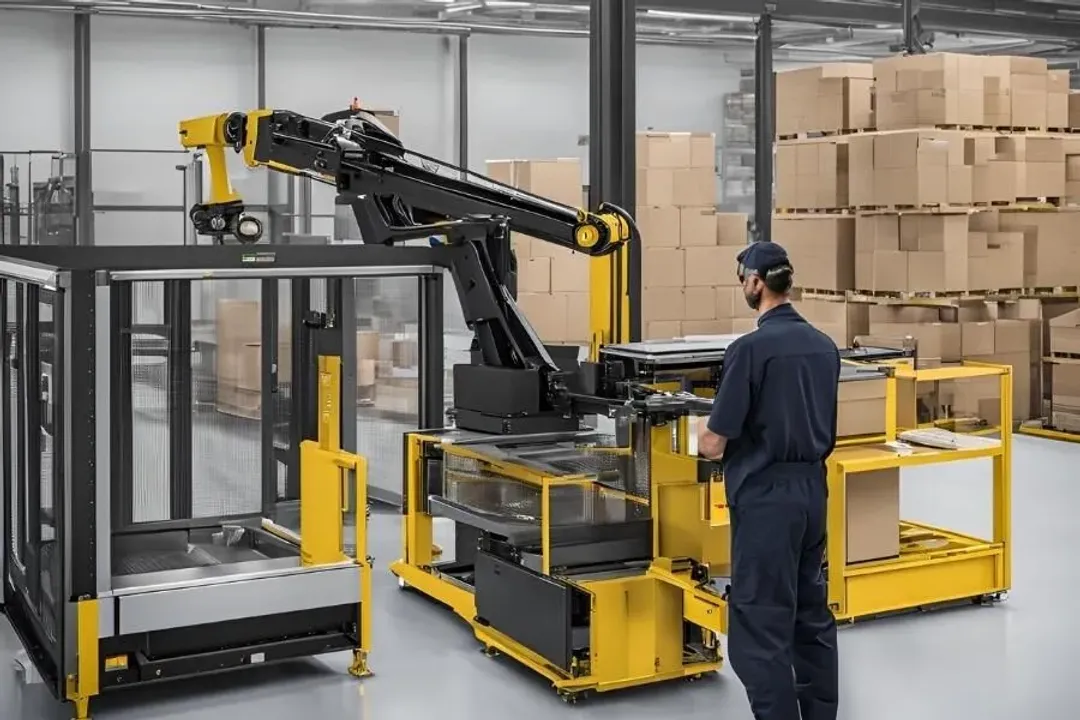
The capability of palletizing robots has increased dramatically over time, directly correlating with the development of the robots themselves. Early robotic palletizers often employed simpler mechanical designs, sometimes featuring four axes of movement. [7] While four-axis robots were an improvement over layer palletizers, they still had limitations regarding the precise placement and orientation required for complex patterns or tight interlocking stacks. [7]
The transition to modern designs is heavily reliant on systems featuring six axes of movement. [6][7] The six-axis robot mimics the human arm more closely, offering superior dexterity, reach, and articulation. [6] This increased number of degrees of freedom allows the robot to approach the pallet from awkward angles, orient a product perfectly before placing it, and maintain the proper grip throughout the entire movement envelope. [7] This refinement in mechanical design is critical, especially when dealing with varied packaging materials, such as handling flexible bags or oddly shaped containers in food and beverage applications. [7] Furthermore, as the mechanics improved, so too did the end-of-arm tooling (EOAT), which evolved from simple vacuum cups to sophisticated grippers capable of handling multiple products simultaneously. [7]
# Programming and Intelligence
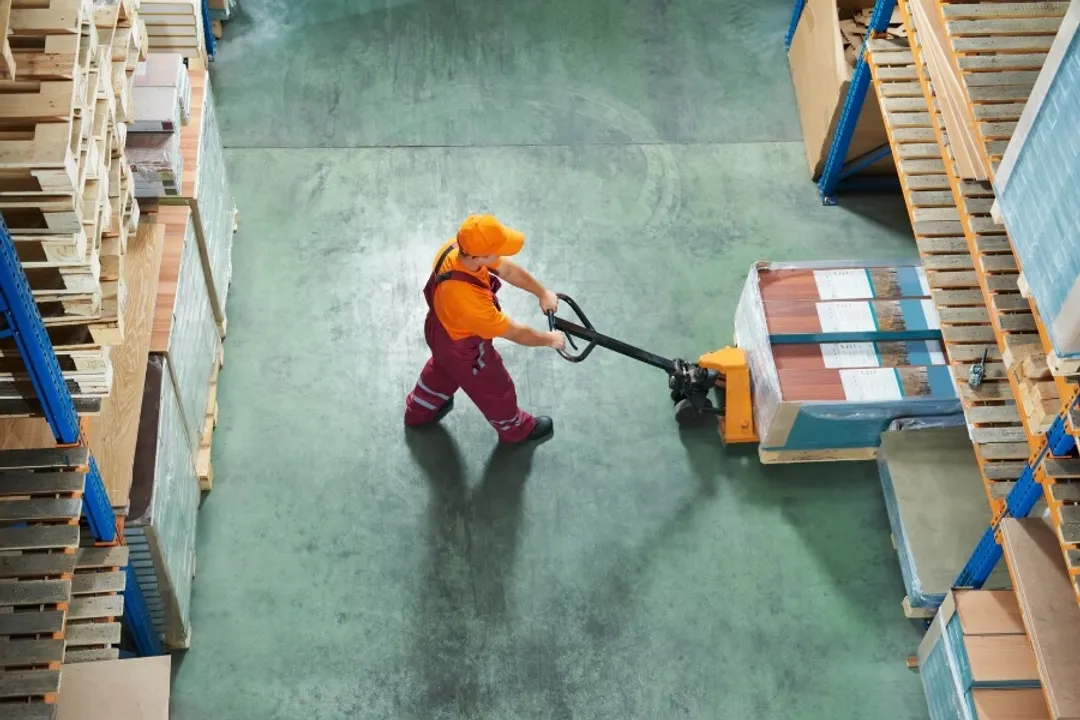
Beyond the physical structure, the "intelligence" driving the palletizer has seen as much development as the arm itself. [8] Initially, programming these robots involved painstaking, manual teaching of coordinates for every single pick-and-place point. [8] This made pattern changes time-consuming, although still far faster than retooling a conventional machine. [8]
The true democratization of robotic palletizing came with the introduction of user-friendly software interfaces. [8] Modern systems often feature graphical interfaces and template-based programming, allowing floor staff with minimal specialized coding knowledge to input a new pallet pattern or product dimension directly into the system. [8] This move toward intelligent automation also incorporates sensory input. Vision systems, for instance, have become increasingly common. A vision-guided robot can locate a product that is slightly misplaced on the infeed conveyor, correct its grip path, and still place it perfectly on the pallet. [4] This capability significantly reduces downtime caused by minor conveyor misalignments, a common frustration with less sophisticated automation. [4]
Here is a brief comparison illustrating the shift in operational complexity and capability:
| Feature | Conventional Palletizer | Early Robotic Palletizer (e.g., 4-Axis) | Modern Robotic Palletizer (e.g., 6-Axis) |
|---|---|---|---|
| Flexibility | Very Low (Fixed) [1] | Medium (Software-dependent) [2] | High (Software + Dexterity) [6] |
| Pattern Change Time | Hours/Days (Requires hardware change) [1] | Minutes/Hours (Requires reprogramming) [8] | Seconds/Minutes (Template driven) [8] |
| Product Orientation | Fixed based on infeed [1] | Limited ability to rotate product [7] | Full 360-degree rotation capability [7] |
| Handling Irregularities | None | Poor | Good (with vision systems) [4] |
# Industry Pain Relief
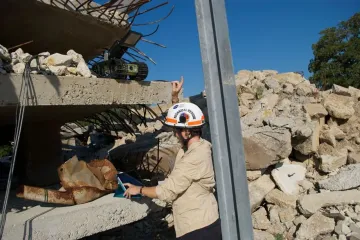
The sustained development and adoption of palletizing robots are direct responses to persistent operational challenges that manufacturers and distributors face daily. [4] The primary pain points addressed by this technology fall into a few key categories: labor dependency, injury rates, and line efficiency. [4]
In many regions, finding reliable labor willing to perform the physically demanding and monotonous work of palletizing has become increasingly difficult. [4] Robots eliminate the need for this specific, arduous manual role, allowing existing employees to be reassigned to higher-value or less physically taxing tasks. [4] Furthermore, the repetitive strain injuries (RSIs) associated with manual pallet stacking are almost entirely removed from the equation when a robotic arm takes over. [4] While the initial investment in robotics can be substantial, the reduction in worker’s compensation claims, the improved safety record, and the ability to maintain production output during labor shortages provide a compelling return on investment. [4]
For example, consider a facility running three shifts, requiring three dedicated palletizers per shift. The capital expenditure for one modern robotic cell that can often handle the output of two or even three human workers simultaneously, and reliably, far outweighs the long-term costs associated with chronic absenteeism or turnover in those manual roles. [4] This consistency is an often-overlooked benefit; a robot does not slow down at the end of an eight-hour shift due to fatigue. [2]
# Food Packaging Evolution
The food and beverage sector provides a particularly interesting case study in the evolution of palletizing robots because of its unique demands: hygiene, speed, and product sensitivity. [7] In food packaging, the transition from conventional systems to robotics was not just about speed but also about adapting to softer packaging and complex patterns needed to maximize stability in shipping. [7]
In the early days, food packaging lines often used less rigid packaging, which meant that the impact of a layer-style conventional palletizer could sometimes damage the product before it even left the line. [7] Robotic systems, especially those utilizing vacuum grippers or specialized soft-contact tooling, offer a gentler, more controlled approach. [7] Furthermore, the cleanliness requirements in food processing mandate that equipment be easy to sanitize. Modern stainless steel, washdown-rated robotic systems are designed to meet stringent sanitary standards, something that was historically difficult to achieve with older, enclosed mechanical palletizers. [7] The ability to quickly change patterns for seasonal promotions or new product introductions, common in the CPG space, locks in the robotic solution as superior to fixed automation in this dynamic environment. [7]
# Future Trajectories
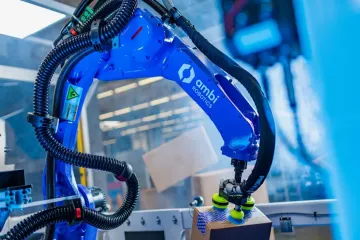
Looking ahead, the evolution continues to move away from mere mechanical action toward deeper integration and adaptability. [8] Current trends suggest that future palletizing robots will require even less human intervention for daily operation and maintenance. [8]
Key areas for future development include:
- Advanced AI Integration: Moving beyond simple pattern recognition to predictive maintenance and dynamic load planning, where the robot adjusts the pattern in real-time based on pallet stability feedback or even shipment manifesting data. [8]
- Enhanced Portability and Flexibility: Developing highly mobile robotic units that can serve multiple lines or be quickly deployed to temporary packing stations, further reducing the need for dedicated, fixed infrastructure. [8]
- Collaborative Operation: While palletizing is inherently a high-speed, high-force task, the technology is moving toward safer integration in mixed-use areas, potentially allowing humans and robots to work in closer proximity without extensive caging, though safety protocols will always dictate the final setup. [8]
When assessing the current state of robotic technology, it's worthwhile for any operations manager to look past the simple calculation of "labor hours saved." A more telling metric is the Pallet Quality Consistency Index (PQCI). This index factors in the percentage of finished pallets that pass an automated stability scan upon leaving the cell, penalized for overhang, improper interlocking, and leaning stacks. A good conventional system might achieve a PQCI of 92%, while a modern 6-axis robot with vision assistance can consistently hit 99.5% or higher because its positional accuracy is measured in millimeters, unaffected by accumulated wear on mechanical components the way older machinery is. [4][6] This improved consistency reduces freight damage claims, which can represent a significant, hidden cost in logistics that traditional ROI calculations often ignore.
The history of the palletizing robot is therefore not a story of a single inventor but a narrative of technological convergence: the maturation of multi-axis robotics, the development of user-friendly programming interfaces, and the relentless pressure from industry to find solutions for strenuous, repetitive labor. What started as a mechanical replacement for an entire layer of boxes has become an adaptable, intelligent system capable of optimizing the very geometry of shipping itself. [1][2][8]
#Videos
Dual Robotic Palletizer by Bastian Solutions - YouTube
Universal Robots Palletizing Wizard Grady Turner - YouTube
Related Questions
#Citations
A Guide to the History of Palletizers | TDI Packsys
History and Impact of Robots in Palletization Processes
Palletizer - Wikipedia
Packaging & Palletizing Robots Solve Industry's Pain Points
Dual Robotic Palletizer by Bastian Solutions - YouTube
Everything You Need To Know About Robotic Palletizers
the evolution and future trends of palletizing robot technology