Who invented rescue robotics?
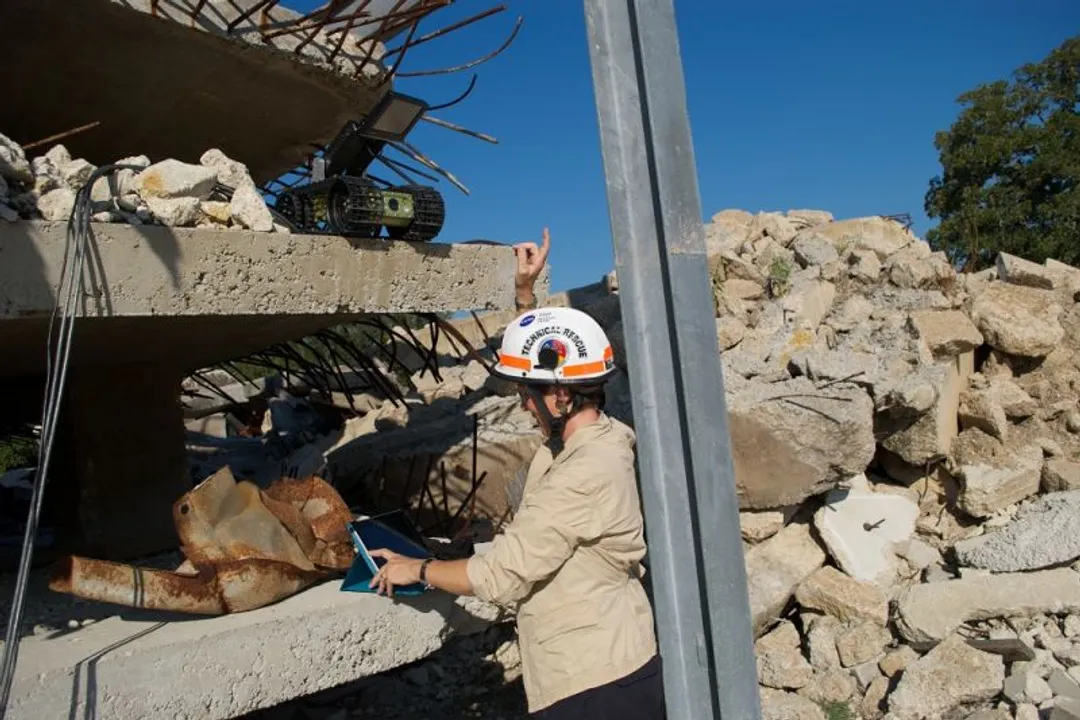
The creation of rescue robotics doesn't trace back to a single lightbulb moment or an isolated inventor; rather, it emerged from necessity, driven by successive tragedies and the ingenuity of researchers responding to immediate, life-threatening situations. It is more accurate to speak of pioneering figures and organizations that defined the initial capabilities and standards of this technology over decades. The field coalesced around the recognized need to send machines into environments too hazardous for human first responders, whether those environments were collapsed buildings, contaminated zones, or underground mines.
# Field Pioneers
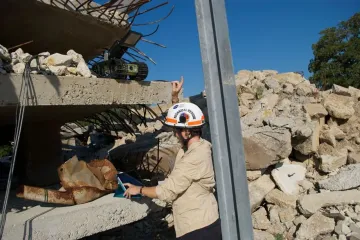
One of the most significant figures shaping the modern landscape of search and rescue (SAR) robotics is Dr. Robin Murphy of Texas A&M University. Her work has been fundamental not just in developing the machines themselves, but in establishing the protocols for their use in real-world disaster scenarios. After the devastating events of September 11, 2001, for instance, Murphy and her team deployed ground robots at Ground Zero, providing crucial early experience that informed the next generation of SAR devices. Dr. Murphy's contributions extend to creating standards for emergency response robotics, ensuring that these complex tools can be effectively integrated into high-stakes operations.
Another notable contributor supported by early federal investment is Dr. Ronald C. Arkin of Georgia Tech, whose research on robotic systems received backing from the National Science Foundation (NSF). The NSF's role has been to support the foundational research that underpins many robotic systems used today, fostering innovation in areas like search, sensing, and navigation for disaster relief. This institutional support suggests that the invention phase was heavily reliant on governmental and academic backing to explore concepts that private industry might later commercialize.
# Significant Systems
The practical application of rescue robotics often becomes tied to specific hardware that proved effective under duress. Following the need demonstrated post-9/11, companies began developing more rugged and capable machines. A prime example is the PackBot, developed by iRobot. This robot became an important asset for search, reconnaissance, and mitigating potential hazards in unstable structures, marking a transition from purely experimental setups to fielded technology.
Contrast this with specialized ground vehicles designed for specific industrial disasters. For instance, Sandia National Laboratories developed the Gemini Scout, a dedicated vehicle engineered specifically for mine rescue operations. The Gemini Scout’s design focus—navigating rubble, carrying life support, and providing communication—illustrates how the broader field of "rescue robotics" fragments into highly specialized sub-disciplines driven by the environment of the disaster. The evolution from small, camera-equipped ground robots to larger, life-support carrying vehicles highlights a maturation of the technology where initial reconnaissance gave way to active intervention capability.
It's interesting to observe how the initial impetus often came from immediate, high-profile crises, such as structural collapses, leading to the rapid development of ground-based inspection tools, whereas other needs, like underground rescue, might see slower, more targeted development through national laboratories focused on mining safety. This dual-track development—reactive deployment versus planned engineering—is a characteristic feature of how life-saving robotics advanced.
# Global Expansion
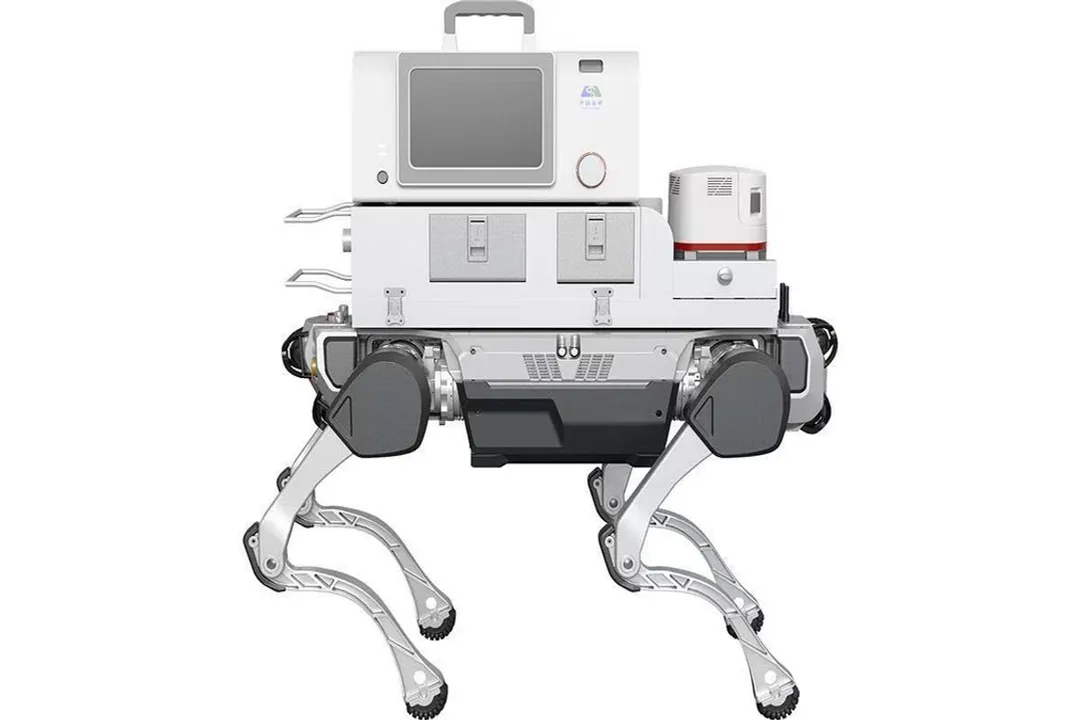
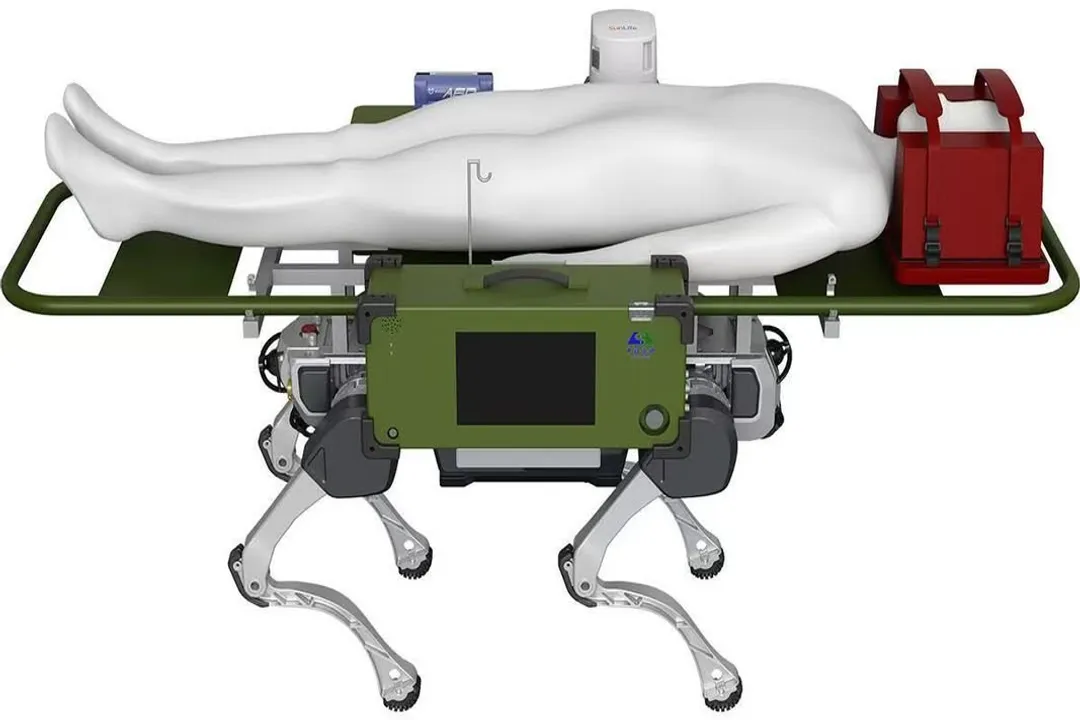
While early American efforts often centered on post-disaster response teams and federally funded university research, other nations have also been instrumental in pushing the technology forward, often focusing on unique national priorities or integrating advanced systems into their own emergency services. In China, for example, recent announcements pointed toward the development of advanced systems like the world’s first emergency rescue robot and emergency transport robot, with aims for independent operation slated for around 2025. These newer systems, such as the Juxin platform, appear to integrate autonomous transport capabilities alongside traditional search functions, suggesting a next-generation focus that combines mobility with immediate aid delivery, moving beyond simple visual assessment. The development of such integrated transport robots signifies a clear progression: the first generation located victims, and the current generation aims to sustain them until human rescuers arrive.
# Robotics Design Traits
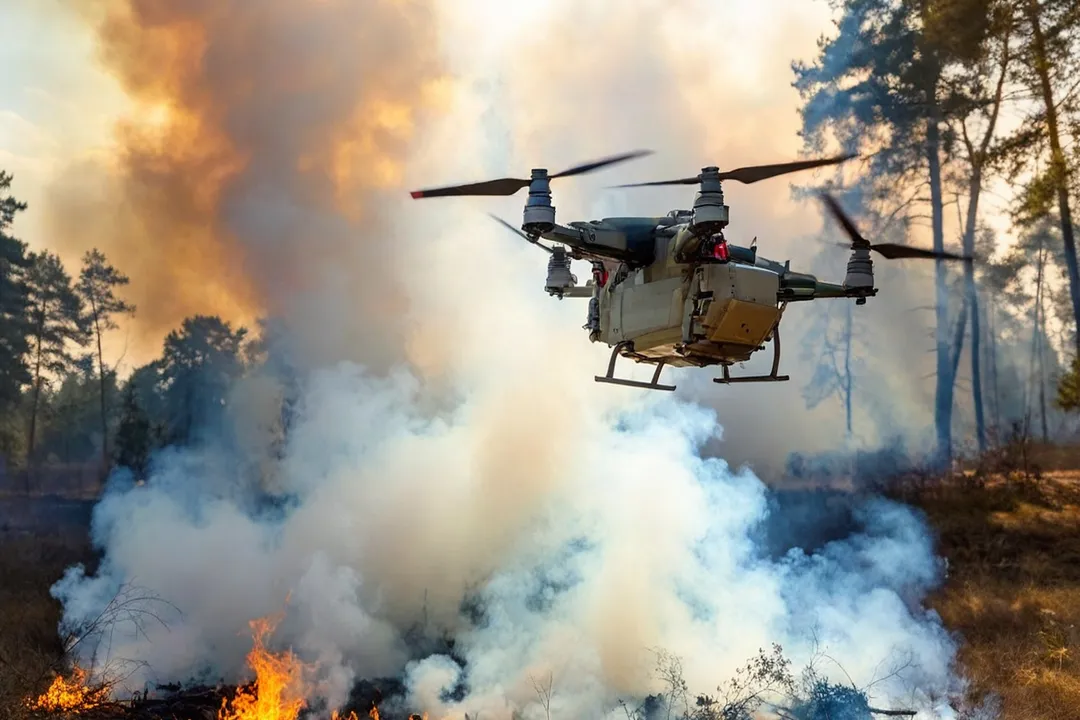
The core of any rescue robot lies in its ability to navigate and sense the environment where humans cannot safely tread. Early ground robots focused heavily on basic mobility over rough terrain and transmitting video and audio feeds. As the field matured, the requirements expanded to include tasks like air quality monitoring, detecting radiation, and even manipulating objects. The selection between different robotic forms—whether tracked ground vehicles, aerial drones, or specialized legged machines—is entirely dependent on the operational context. For example, a steep, debris-choked slope might demand a small, agile tracked unit like the PackBot, whereas inspecting a large, structurally sound but chemically contaminated factory might favor an aerial drone with advanced atmospheric sensors.
One principle that underpins the effectiveness of these devices, though not an invention of a single person, is the concept of system interoperability, which Dr. Murphy’s work helped solidify. In a major disaster, the ability for different robots, sensors, and data streams to communicate with a central command structure is as important as the hardware itself. If a system cannot share its data reliably with the incident commander, its utility plummets, regardless of how well it navigates the rubble. This moves the focus of "invention" from pure mechanics to information technology management within the emergency response context.
# Current Trajectories
Today, the concept of who "invented" rescue robotics is less relevant than understanding who is currently advancing it, as the technology continually evolves. The trend is clearly moving toward greater autonomy and multi-functionality. Researchers continue to push for robots that can not only navigate but also make semi-autonomous decisions about search patterns or hazard mitigation, reducing the cognitive load on overwhelmed human operators.
The ongoing need remains, driven by natural disasters like earthquakes, industrial accidents, and collapsing infrastructure. The legacy of the early pioneers—those who developed the first reliable cameras on wheels and established the rules for their field deployment—is evident every time a new machine is deployed to assess danger without risking human life. The invention wasn't just the machine; it was the confidence in the machine's ability to survive and report back, a confidence built through the testing and standardization efforts of people like Dr. Murphy over the last two decades.
The continuous cycle of need, funding (like that provided by the NSF), academic development (like Arkin's work), and practical deployment (like iRobot's PackBot) solidifies the idea that rescue robotics is a field of collective, iterative invention rather than a singular breakthrough. The latest systems appearing in countries like China suggest that the next major development will likely involve sophisticated logistics, such as automated transport of medical supplies directly to victims identified by earlier scouting robots.
#Videos
After Disaster Strikes, Robots to the Rescue - YouTube
Related Questions
#Citations
Robin Murphy: A Pioneer In Rescue Robotics - Texas A&M Stories
Robots to the Rescue | NSF - U.S. National Science Foundation
The world's first emergency rescue robot and emergency transport ...
All About Rescue Robots | Amprius Technologies
These Rescue Robots Can Tackle Almost Any Disaster, Part 2 - ASME
Gemini-Scout Mine Rescue Vehicle - Sandia National Laboratories
World's 1st emergency rescue robot, transport robot unveiled ...
After Disaster Strikes, Robots to the Rescue - YouTube
Evolution of Rescue Operations with Advanced Robotics
Rescue robot – Knowledge and References - Taylor & Francis