How does nanopore sequencing technology, co-invented by Church, primarily function?
By monitoring changes in an electrical current as a strand passes through a protein pore
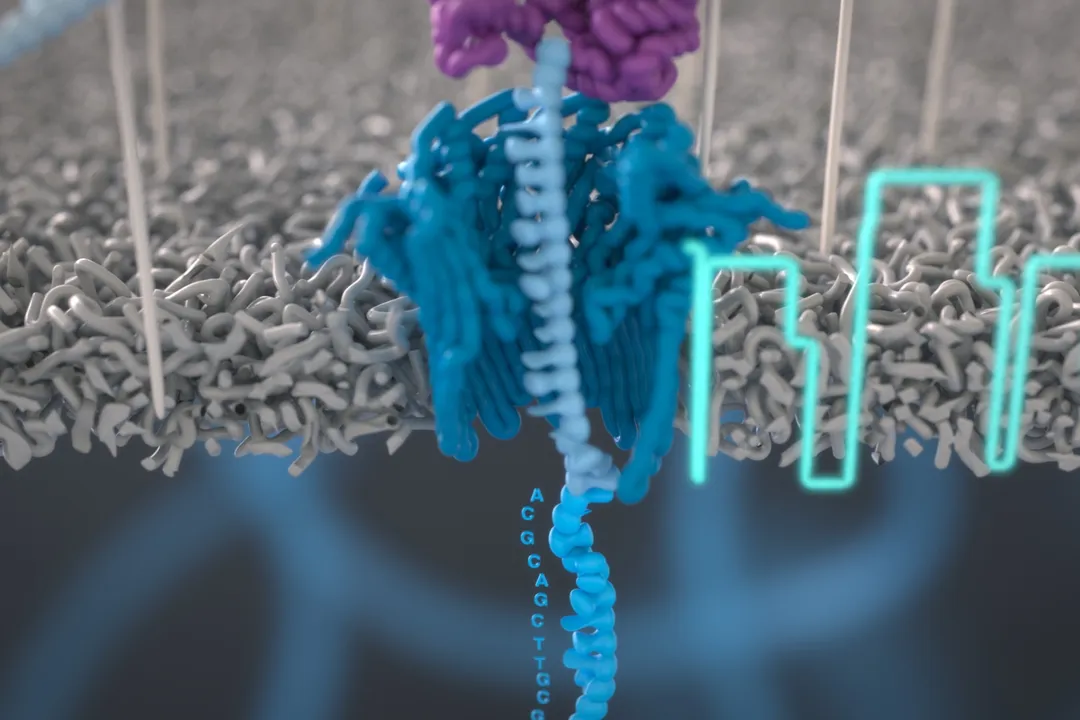
Nanopore sequencing represents a paradigm shift toward speed and portability. This technology operates by threading a single strand of nucleic acid (DNA or RNA) through an ultra-small protein structure embedded in a synthetic membrane, known as a protein pore. As the strand passes through this pore, the physical presence of each base (A, T, C, or G) temporarily obstructs or alters the flow of a precisely controlled electrical current running across the membrane. The pattern of these minute changes in the electrical signal is distinct for each base, allowing sophisticated electronics to read the sequence of bases in real-time. This mechanical process eliminated the need for complex enzymatic reactions and optical detection systems required by earlier generations, enabling the creation of highly portable devices like the MinION.
#Videos
Pardis Sabeti - Genomic Surveillance and Response System for ...