Who invented genomic surveillance?
The question of who invented genomic surveillance is less a matter of pointing to a single inventor and more an acknowledgment of a necessary technological and conceptual convergence. Genomic surveillance, in its modern sense, is the strategic fusion of rapid, high-throughput DNA sequencing with classical epidemiology to monitor infectious pathogens, their evolution, and their spread across populations in near real-time. It wasn't a sudden Eureka moment, but rather a progression built upon foundational discoveries that made the genomic part feasible, followed by the realization by public health experts that this data could transform outbreak response.
# Sequencing Foundation
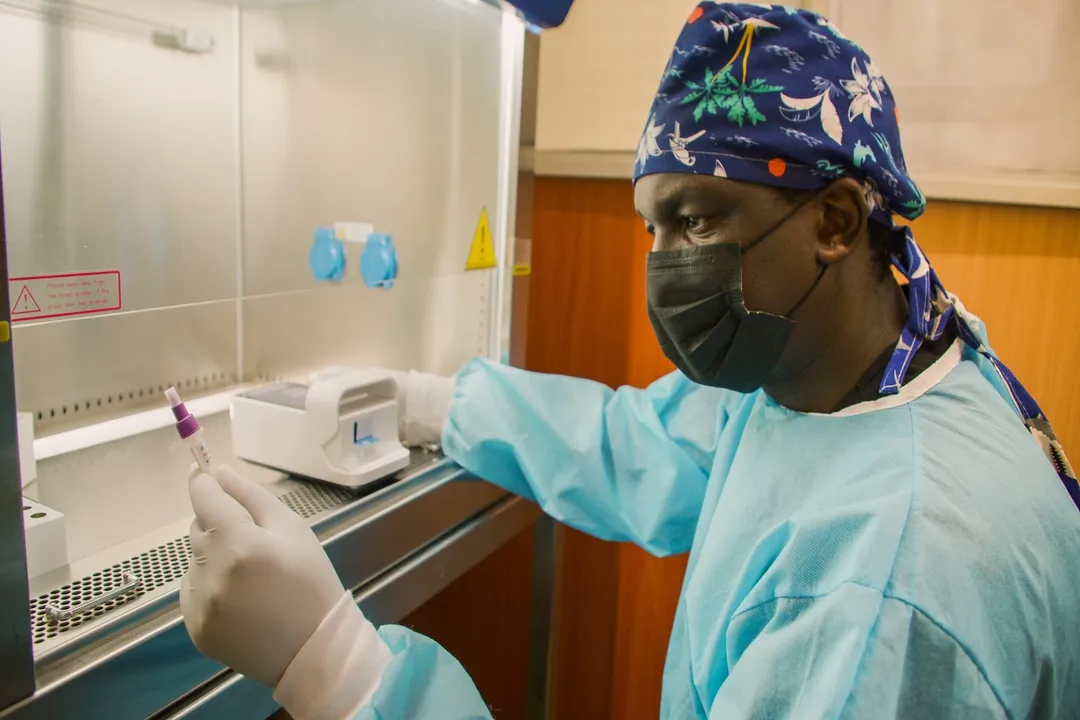
The necessary bedrock for any form of genomic surveillance is the ability to efficiently read the genetic code. This capability itself has gone through several revolutionary phases, each dramatically reducing the time and expense involved in generating sequence data. Before one could surveil a pathogen's genome, that genome had to be read cheaply and quickly, moving far beyond the laborious methods of the past.
The early 20th century gave us the conceptual structure of DNA, thanks to foundational work by scientists like Watson, Crick, Wilkins, and Franklin in the 1940s. However, determining the actual order of the bases required new chemical and enzymatic approaches. The first major step was Frederick Sanger’s development of the chain-termination method in 1977, which was crucial for sequencing the first viral and, later, the first human genomes. This was first-generation sequencing—a monumental achievement, but too slow for population-wide monitoring.
The transition from simply reading a single gene to reading entire genomes became a realistic goal through the development of Next-Generation Sequencing (NGS) techniques starting in the 1980s. These methods, which allow for massively parallel reactions, drastically increased throughput and lowered costs. A significant contributor to this acceleration was George Church, who, alongside Walter Gilbert, published the first direct genomic sequencing method in 1984. Church’s laboratory also co-invented the concept of molecular multiplexing and barcode tags, which are vital for running many reactions concurrently, a core principle of NGS.
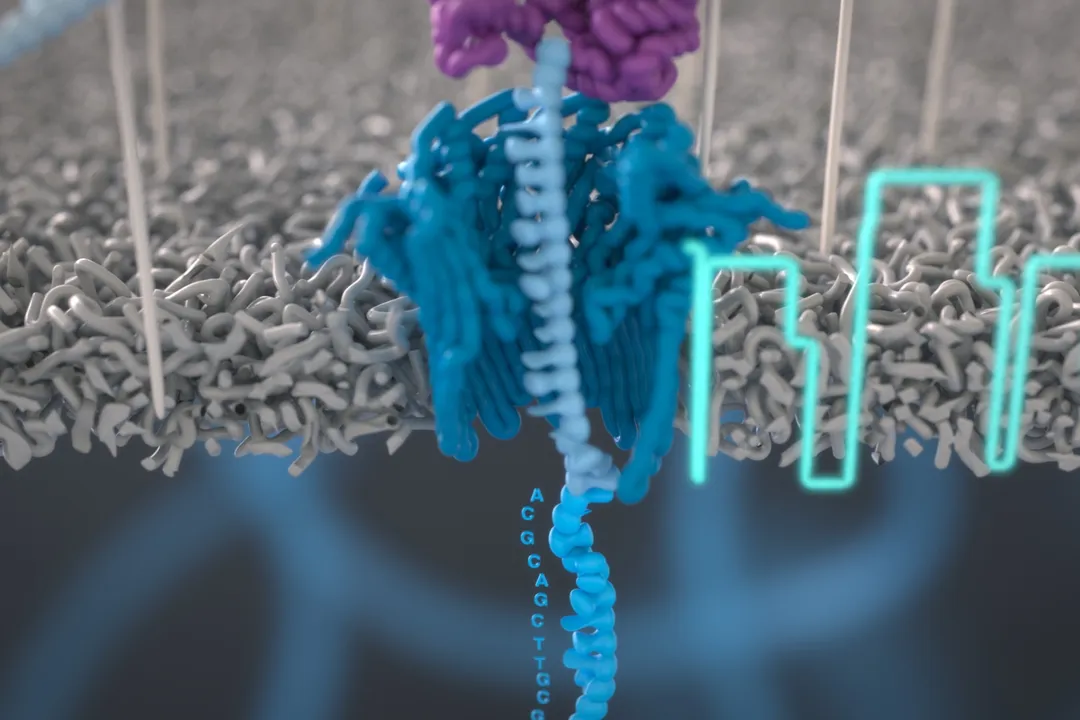
The utility of surveillance was further enhanced by technologies that allowed for speed and portability. Church was also a co-inventor of nanopore sequencing in 1995. This technology, which monitors changes in an electrical current as a nucleic acid strand passes through a protein pore, eventually led to the development of pocket-sized devices like the MinION sequencer. This allowed sequencing to move out of centralized labs and toward point-of-care testing and fieldwork, making real-time analysis possible. The cost curve of sequencing has been steeper than Moore's Law in computing for a time, transforming what was once the multi-year, multi-billion-dollar Human Genome Project into something accessible for routine public health analysis. This technological shift—the ability to generate massive amounts of sequence data affordably—is the sine qua non of genomic surveillance.
# System Architects
With the tools emerging, the concept of systematically applying them to public health threats began to crystallize, largely in response to major epidemics. While early genomic sequencing was primarily confined to small-scale studies of things like antibiotic-resistant bacteria or influenza strains, events forced a broader view.
The Ebola epidemic from 2014 to 2016 is frequently cited as a landmark event that demonstrated the value of using genomic surveillance to track the virus’s rapid evolution and spread within communities. This showed that the necessary data existed, but the surveillance system—the process of collecting, analyzing, and acting on the data—was often underdeveloped.
In the conceptual development of the system, Dr. Pardis Sabeti stands out as a prominent figure advocating for a structured response mechanism. As early as 2017/2018, she presented lectures detailing a "Genomic Surveillance and Response System for Infectious Disease Outbreaks". Her work emphasized that health workers needed integrated information systems to detect threats and track their spread, highlighting that oversight occurs when tools are not properly integrated into a response pipeline. This perspective shifted the focus from can we sequence it? to how do we use the sequence data to save lives?
Simultaneously, public health institutions were recognizing this need internally. In Germany, the Robert Koch Institute (RKI) began developing what they termed Integrated Molecular Surveillance (IMS) in 2014. This pre-pandemic initiative specifically aimed to merge pathogen sequence data with traditional epidemiological reporting data, initially targeting pathogens like Salmonella, Listeria, E. coli, Tuberculosis, and HIV. As genomic data became more central, the RKI refined this concept into Integrated Genomic Surveillance (IGS).
Therefore, the invention is a partnership: the technological pioneers like Church who built the sequencing engine, and the systems architects like Sabeti and institutional efforts like the RKI that designed the integrated public health chassis to house that engine.
# Data Ethos and Infrastructure
Effective genomic surveillance requires more than just high-speed sequencing machines; it demands data sharing at a speed and scale unprecedented in routine public health reporting. The successful application of these systems hinges on making raw genetic information rapidly accessible to researchers and officials globally.
This necessity for open data finds a conceptual precursor in the work of George Church, who initiated the Personal Genome Project (PGP) in 2005. The PGP was built on providing the world's only open-access human genome and trait data sets, championing the idea that sharing genomic data among researchers, even for personal information, accelerates discovery. While the PGP focused on individual health, its underlying ethos—that open, standardized data access drives scientific progress—is mirrored in the infrastructure required for modern pathogen surveillance.
When the COVID-19 pandemic struck, the need for this open data framework became globally urgent. Existing platforms, like the one used for influenza data, were quickly adapted to handle the SARS-CoV-2 sequences. The Global Initiative on Sharing All Influenza Data (GISAID) database became the central clearinghouse, where sequences from around the world could be uploaded to identify emerging variants like Delta and Omicron. The ability of global entities to pivot existing data-sharing structures, informed by years of genomic research principles, allowed for a response that, while imperfect, was far faster than relying on older reporting methods. The foundational work in genomics, including Church’s push for open consent mechanisms for sharing personal data, helped lay the cultural and technical groundwork for the massive, necessary data exchange seen in global pathogen surveillance today.
# Equity in Detection Capabilities
It is instructive to compare the early days of whole-genome sequencing with the current objectives of genomic surveillance, particularly regarding global equity. The completion of the first human genomes, such as the one sequenced by Craig Venter’s team using Sanger technology, took substantial time and cost. In contrast, the goal for contemporary pathogen surveillance is speed and ubiquity.
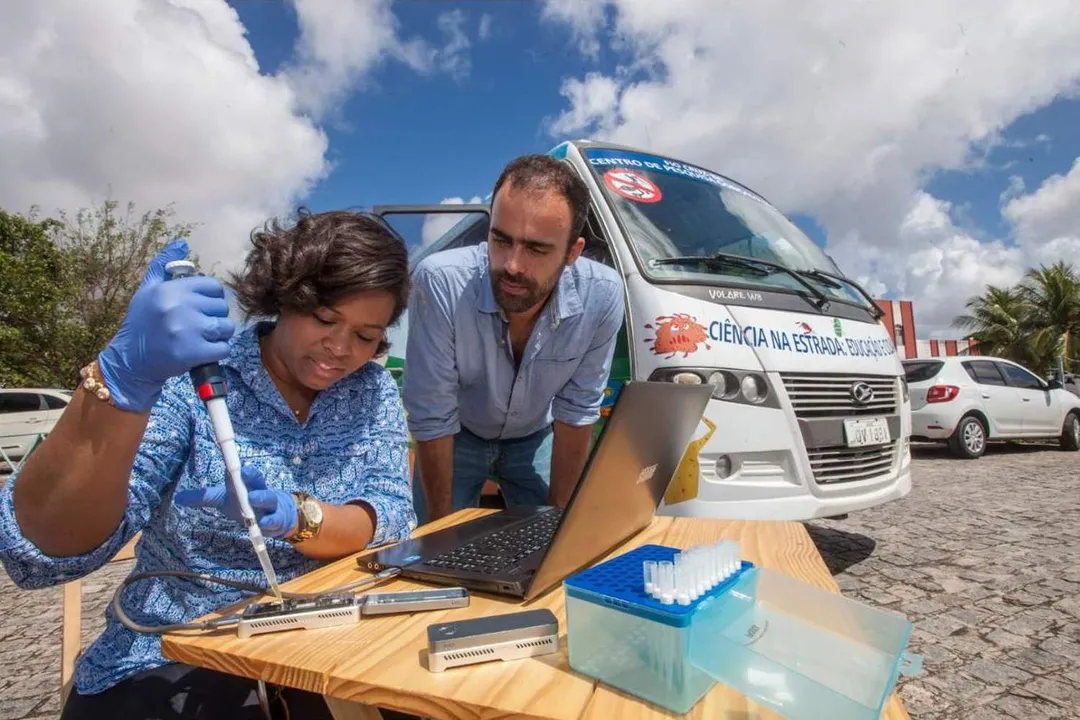
The rise of portable sequencers, like the MinION, has opened the door to democratizing this powerful tool. As experts noted in a Gates Philanthropy Partners discussion, pre-pandemic, genomic surveillance capabilities were concentrated in well-funded labs in places like the UK, Europe, and South Africa. Traditional surveillance methods are often expensive and time-consuming, creating gaps where endemic diseases persist undetected. The introduction of smaller, faster, and more affordable sequencing hardware, combined with global capacity-building efforts like the Africa Pathogen Genomics Initiative (launched in 2020), aims to correct this imbalance. The very essence of modern, effective genomic surveillance is not just what is being sequenced, but where it can be sequenced. If surveillance is to truly predict and manage the next global threat, the infrastructure must be geographically distributed, moving the capacity from a few central hubs to the regions most impacted by infectious diseases.

# Future Trajectories
Genomic surveillance, which tracks everything from drug resistance in bacteria to viral shifts in populations, is now understood to be a complement to, rather than a replacement for, traditional public health methods. The evolution of the field is now pointed toward greater integration. The RKI’s framework, for instance, emphasizes combining genomic findings (like identifying a specific Salmonella outbreak across multiple countries) with epidemiological data to map transmission chains and initiate targeted interventions immediately. The technology has matured to the point where the bottleneck is no longer obtaining the sequence, but ensuring the defined data flow from the clinic, through the various levels of diagnostic laboratories, to the national reference centers, and finally into the analytical pipelines.
The people who "invented" this capability are therefore a broad cohort: the molecular biologists who developed the sequence-by-synthesis techniques, the engineers who miniaturized the hardware, the informaticians who built the analytical software, and the public health leaders who mandated the integration of this powerful new data stream into mandatory reporting laws, such as the amendments to Germany’s Infection Protection Act in 2017. The conceptual invention lies in recognizing that understanding the genome sequence of a pathogen in a lab sample, when rapidly cross-referenced with who was sick, where they were, and when it happened, offers a powerful predictive lens on evolving public health risks.
#Videos
Pardis Sabeti - Genomic Surveillance and Response System for ...
Related Questions
#Citations
The Rise (And Fall?) of Genomics: The Omics Revolution
Pardis Sabeti - Genomic Surveillance and Response System for ...
Integrated Genomic Surveillance (IGS) - RKI
George Church (geneticist) - Wikipedia
What is genomic surveillance and sequencing?
What is genomic surveillance? | University of Pittsburgh
Four milestones powering the genome sequencing revolution - UKRI
Fool me once: What is 'genomic surveillance' and how might it help ...
The sequence of sequencers: The history of sequencing DNA - PMC