How was bottled water invented?
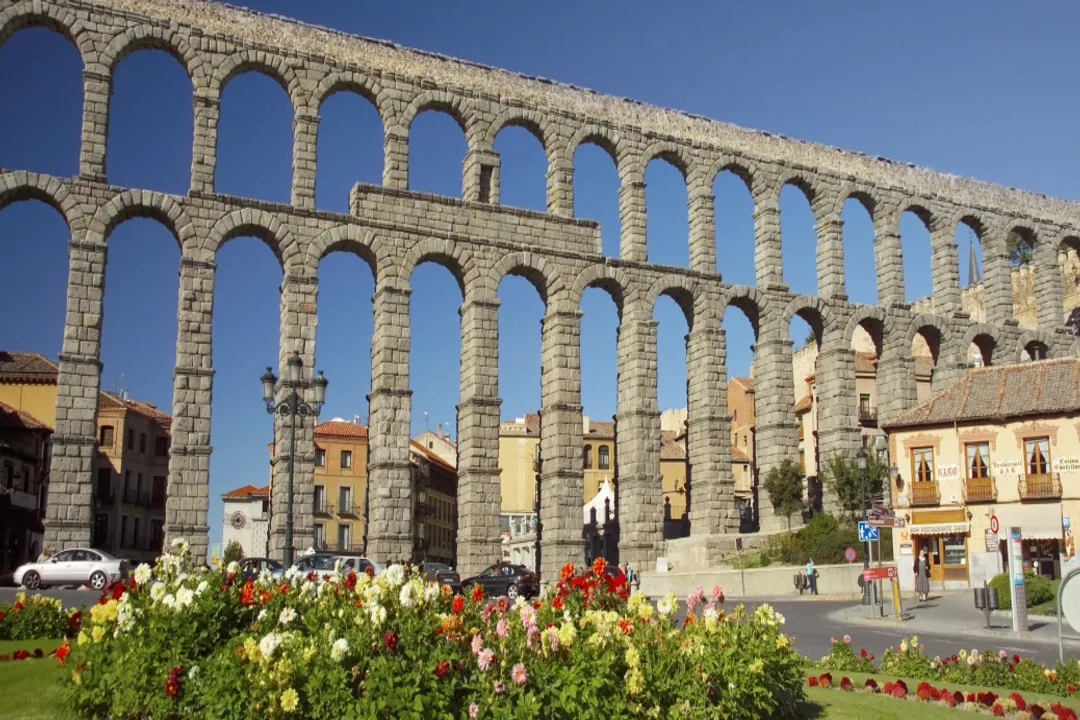
The practice of preserving and consuming water from specific sources is far older than the modern plastic bottle, stretching back to antiquity where natural springs were already recognized for their perceived restorative qualities. Ancient Greeks and Romans, for instance, documented drawing water from certain springs, suggesting an early understanding or belief in the therapeutic value of particular mineral compositions found in natural water flows. This reverence for natural water sources was not about convenience but about health, treating water less as a simple hydrator and more as a consumable medicine.
# Early Medicine
The transition from ancient belief to formalized consumption began in Europe centuries later, establishing the true groundwork for the bottled water industry. A key milestone occurred in 1764 in Spa, Belgium, often cited as the birthplace of bottled water marketing, where water from the town's springs was bottled and sold for its supposed health benefits. This act formalized the concept of packaging water for external distribution, moving it beyond the immediate vicinity of the spring itself.
This tradition of medicinal water quickly crossed the Atlantic. In the United States, early attempts at commercial bottling began around the same period or slightly later, often revolving around specific mineral springs that were seen as American counterparts to European spas. One of the earliest recorded instances involved Jackson's Spring in Massachusetts, which began bottling its water around 1767. These early American efforts were deeply rooted in the European model: selling mineral water as a treatment for various ailments, capitalizing on the perceived purity and unique mineral content that municipal supplies often lacked.
# American Commercialization
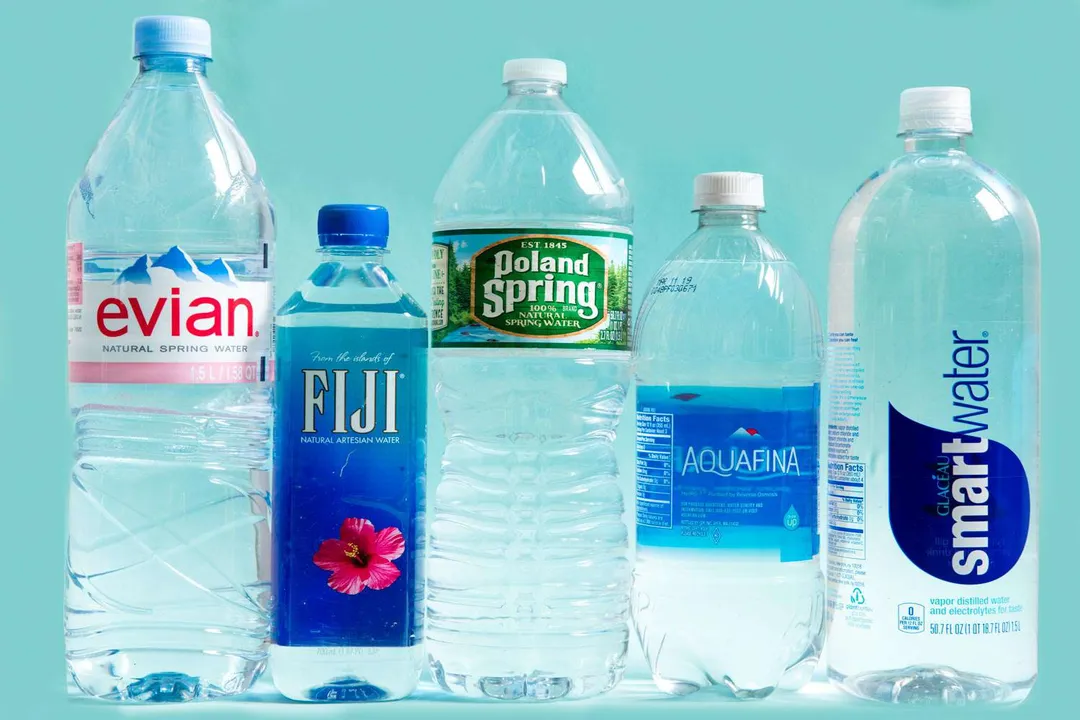
The true dawn of the industry rather than isolated sales happened throughout the 1800s in the US. While there were various localized efforts, brands that achieved lasting recognition began to emerge in the mid-19th century. For example, Poland Spring in Maine started bottling and selling its spring water in 1859. These companies relied heavily on the image of the pristine, remote natural source—a powerful marketing tool when urban water quality was frequently unreliable or suspect.
The concept of water as a branded product gained traction, but it was still often associated with spa culture or specific health regimes rather than daily refreshment. Early containers were typically made of glass, which was heavy, expensive to transport, and prone to breakage, inherently limiting the market to those who could afford a premium, fragile product. It is interesting to consider that in the early days, the packaging itself—heavy glass—was probably a greater part of the cost and logistical hurdle than the actual water sourcing, which would be counterintuitive to the lightweight plastic era that followed.
# Regulatory Shifts
As the 19th century progressed and competition increased, the marketing claims made by various spring water bottlers became increasingly exaggerated, leading to consumer confusion and mistrust. This environment eventually necessitated government oversight to ensure a baseline level of safety and truth in labeling. The need for federal regulation arose because, unlike soda or milk, bottled water in the US was not initially subject to strict federal standards concerning contaminants.
It wasn't until the 1970s that federal regulations, driven by the Food and Drug Administration (FDA), began to provide clearer standards for what qualified as "spring water" or "mineral water". Before this oversight, different states might have had varying definitions, leading to confusion over whether a product was merely treated municipal water or genuinely sourced spring water. This regulatory clarification, while intended to protect the consumer, also helped legitimize the category in the eyes of the public.
# Packaging Revolution
The single greatest catalyst for bottled water transforming from a luxury or medicinal item into a daily staple was undeniably the shift in packaging technology. The introduction and subsequent dominance of plastic containers, particularly PET (Polyethylene terephthalate) bottles, starting in the 1970s, fundamentally changed the economics and convenience of the product.
Glass is heavy and costly to ship, meaning transportation costs added significantly to the final price, restricting its reach. Plastic, conversely, is light, virtually unbreakable, and cheaper to manufacture on a massive scale. This allowed producers to ship far greater volumes of water over longer distances with less risk, drastically lowering the barrier to entry for consumers who needed portability. Suddenly, water was not just available at the source or a pharmacy; it was available everywhere—at gas stations, vending machines, and grocery stores—packaged in something you could easily carry in a backpack or gym bag. This portability factor cannot be overstated; it allowed water to transition from being a destination purchase (a trip to the spring or health store) to an impulse purchase.
If we look at the simple mathematics of shipping, a pallet of 500ml glass bottles might weigh significantly more than the same volume in PET plastic. This difference in weight translates directly into fuel and labor costs, which, when multiplied across millions of units, makes the ubiquitous plastic bottle the engine behind the product's ubiquity today.
# Rise to Staple Status
While packaging made the product available, several cultural and civic factors cemented its place as America's most popular beverage, eventually overtaking milk in some metrics. The 1970s and 1980s saw growing public awareness and concern regarding the safety and taste of tap water in various municipalities. Simultaneous to this, sophisticated marketing campaigns began framing bottled water as the ultimate symbol of health, fitness, and purity.
Brands successfully positioned themselves as the superior alternative to tap water, which some consumers perceived as being chemically treated or simply unappetizing. For many Americans, especially those in urban environments, bottled water became the default choice because it offered an easily accessible, reliably tasteless, and seemingly healthier option compared to what came out of their kitchen faucet. The perception was that you were paying for guaranteed purity, even if the source was, in some cases, comparable to municipal supplies after treatment.
It is fascinating to observe the dual nature of its popularity: in some areas, bottled water is sought out because the local municipal supply is genuinely inadequate or has experienced contamination scares, which gives the product a necessity status. In other, more affluent or health-conscious areas, it remains popular despite having excellent tap water, purely because of brand association with active lifestyles and wellness marketing. This demonstrates that the invention of the product was centuries ago, but the invention of the market need—or at least the consumer desire—was a modern, multi-decade marketing achievement fueled by packaging innovation.
# Modern Varieties
As the market matured, producers moved beyond simply marketing "spring water" to creating specialized categories to capture different consumer segments. This segmentation reflects an effort to create distinction when the base product (water) is fundamentally similar across many brands.
Different types of bottled water are now broadly categorized based on their source and mineral content:
- Spring Water: Originates from an underground source and must flow naturally to the surface.
- Mineral Water: Contains a consistent level of dissolved solids (minerals and trace elements) from its underground source.
- Purified Water: Water that has been treated to remove dissolved solids, often through processes like reverse osmosis or distillation. This category includes water marketed as distilled or demineralized.
The distinction between these sources becomes a significant marketing point, even though for the average consumer selecting a bottle from a cooler, the difference in taste might be negligible compared to the brand name or bottle shape. A comparison of product labeling reveals a clear hierarchy; water sourced directly from a famous natural spring usually commands a higher perceived value than water labeled simply as "purified," even if both are perfectly safe to drink.
# Sustainability Questions
While the convenience of the plastic bottle drove the industry's massive growth, it has also generated significant environmental scrutiny in recent decades. The widespread adoption of lightweight, single-use PET bottles has resulted in immense amounts of plastic waste accumulating in landfills and natural environments.
This has naturally prompted a partial pushback, creating a secondary market trend focused on reusability and sustainable sourcing. Consumers are increasingly aware of the lifecycle of the product they buy—a product whose main ingredient is virtually free from the tap—and its environmental consequence. This tension between ultimate convenience (single-use plastic) and environmental responsibility is the defining challenge for the industry moving forward. Some consumers are returning to reusable bottles filled from the tap, while others are seeking brands that utilize recycled plastic content or invest in bottle collection schemes.
The historical journey of bottled water is a fascinating case study in how an ancient commodity—water—was transformed first into medicine, then into a luxury item through glass bottling, and finally into a daily necessity by the advent of cheap, lightweight plastic and savvy marketing that targeted public anxiety about municipal supplies. The invention wasn't a single moment, but a slow evolution spanning centuries, punctuated by key technological and regulatory milestones.
#Videos
The Story of Bottled Water - YouTube
Related Questions
#Citations
Bottled water - Wikipedia
Birth of the Bottled Water Industry - BCC Research Blog
How Bottled Water Became America's Most Popular Beverage
My Own Water - History Of Bottled Water
When Was Bottled Water Invented? - Soda Sense
History of Bottled Water - Alexa Springs
The Story of Bottled Water - YouTube
A Return to Reuse, The Journey Through the History of Bottled Water
When did bottle water start becoming popular? : r/AskOldPeople