When was the PET bottle invented?
The sight of a clear, lightweight plastic container holding a beverage is so common today that it seems like it has always been this way. However, the journey to the modern PET bottle involved a specific moment of engineering breakthrough that fundamentally changed how liquids—from water to soda—are packaged and distributed across the globe. [1][6] While the underlying polymer has a history stretching back decades, the creation of the bottle format we recognize now is tied to a single inventor and a patent filed in the early 1970s. [4]
# Material Basis
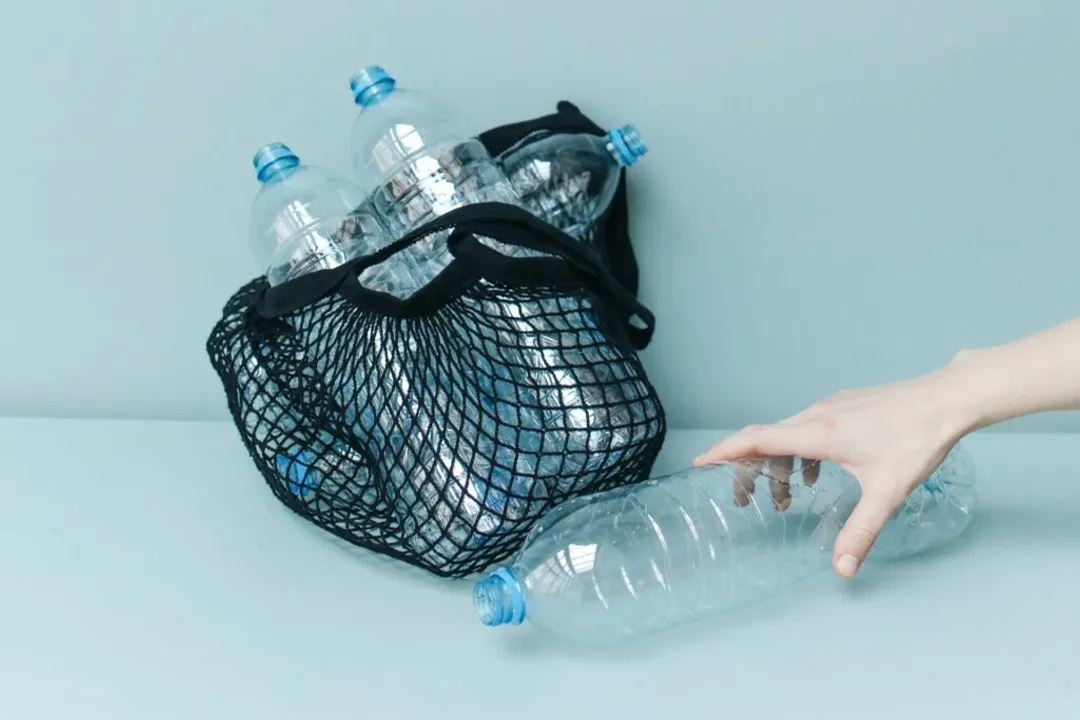
The container material in question is Polyethylene terephthalate, commonly shortened to PET or PETE. [5][8] This substance belongs to the family of polyesters and is known for its strength, light weight, and excellent barrier properties, making it ideal for keeping carbonation in and oxygen out. [1][6] Although PET itself was developed in the 1940s by British scientists, it was initially used primarily for synthetic fibers, such as in clothing. [1][8] It was not immediately destined for the beverage aisle.
The material’s ability to be easily molded and shaped, coupled with its resistance to breakage, set the stage for its future packaging dominance. [1] This contrasted sharply with the prevailing container standard of the time: heavy, fragile glass. [3]
# The Inventor's Work

The critical step in transforming the PET polymer into the modern beverage container is attributed to Nathaniel Wyeth. [4] Working at DuPont, Wyeth is credited with inventing the plastic bottle specifically designed for holding carbonated soft drinks. [4] His breakthrough came in 1973, when he successfully developed a plastic bottle that could withstand the pressure exerted by carbonation, a major technical hurdle at the time. [4] Wyeth subsequently received the patent for this revolutionary design. [4]
Before Wyeth’s invention, glass was the near-universal standard for bottled drinks. Glass offered reliability but presented significant logistical challenges due to its weight and susceptibility to shattering, increasing shipping costs and creating safety concerns. [3] The introduction of Wyeth's PET bottle represented a profound shift in packaging physics. The successful creation of a lightweight, shatterproof vessel capable of handling pressurized contents meant that packaging could now be treated as a disposable, easily transportable commodity rather than a heavy, returnable asset.
# Industrial Adoption
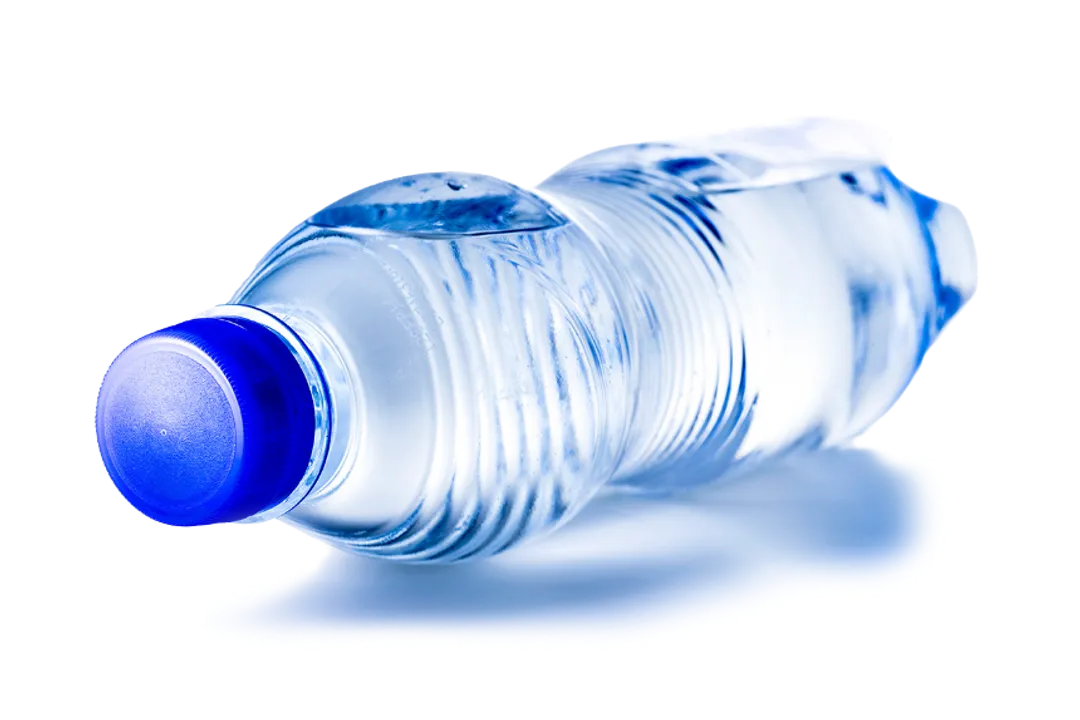
Following Wyeth’s patent, the commercial viability of PET was quickly recognized, especially by the beverage industry eager to reduce shipping weight and breakage expenses. [3] The immediate benefit wasn't just about surviving the factory floor; it was about transforming the entire supply chain. Think about the infrastructure shift required: suddenly, bottling plants designed to handle heavy glass needed to retool entirely to manage lightweight, high-speed filling and capping of plastic containers. This necessary capital investment across the global beverage industry speaks volumes about the perceived future value of this new packaging format.
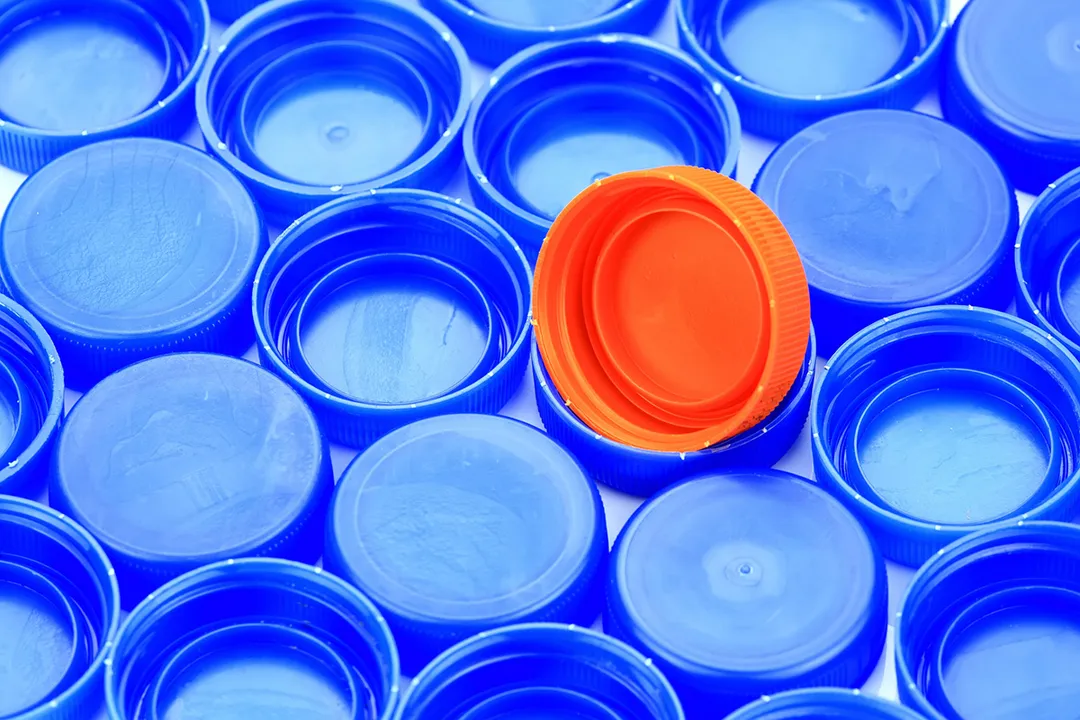
While Wyeth established the bottle, the component that seals it also underwent its own technological refinement. Early PET containers often used aluminum caps, similar to those on glass bottles. However, the ongoing need for a more efficient, recyclable, and economical closure led to the widespread adoption of plastic caps, which often utilize different types of polymers, such as HDPE or PP, creating a multi-material package challenge for recycling facilities later on. [7]
# Plastic History
To fully appreciate the invention of the PET bottle, it helps to place it within the broader context of plastic’s evolution. Plastic as a material category is not new; chemists have been experimenting with synthetic polymers for well over a century. [9] Early materials, like Parkesine developed in the mid-19th century, marked the beginning of the plastics age, often driven by a desire to find non-metal alternatives for everyday items. [9]
PET, however, arrived much later, a product of advanced polymer chemistry developed mid-century. [1][8] Its emergence as the preferred beverage container in the 1970s came at a time when consumer culture was rapidly accelerating and the concept of single-use packaging was becoming normalized. [9] While earlier plastics solved specific problems (like electrical insulation or fiber creation), PET solved the problem of convenient mass liquid distribution better than any material before it.
# End of Life Context
The very properties that made the PET bottle a success—its low weight, low cost, and durability—also created its greatest challenge: waste management. [1] The speed at which the PET bottle dominated the market following its invention meant that infrastructure for handling its disposal lagged significantly behind its adoption rate.
Initially, the focus was entirely on the utility of the container itself. However, as the sheer volume of PET bottles entering the waste stream grew, attention shifted to recycling efforts. [1] Early recycling programs often focused on collecting the glass bottles that PET displaced, meaning that the recycling infrastructure for plastics had to be built almost from scratch in the ensuing decades. [7][9] The material is highly valued in recycling streams because it can be melted down and reformed into new bottles or other products like carpet fiber or strapping. [1][5]
# Beyond the 1973 Patent
While Nathaniel Wyeth’s 1973 patent marks the invention of the beverage bottle, it is important to note that recycling evolution has continued long after that initial patent expired or was superseded. For example, the evolution of bottle caps showcases how material science continues to adapt packaging to meet new demands, including recyclability. Modern recycling streams are constantly working to separate the PET bottle body from its different plastic cap material, a complexity that didn't exist when Wyeth first designed his container. [7] Understanding the timeline requires separating the invention of the material (pre-1970s) from the invention of the application (Wyeth, 1973) and the subsequent development of the system (recycling infrastructure, post-1980s). The PET bottle, therefore, is less a singular invention and more a convergence point for polymer science, logistics demands, and consumer convenience.
Related Questions
#Citations
The story of PET Bottles - Ammeraal Beltech
History - Plastic Bottle Village
History of Plastic Water Bottles: How Did They Become So Ubiquitous?
Nathaniel Wyeth - Lemelson-MIT Program
DID YOU KNOW? Little-Known Facts about PET Plastic
Understanding PET: Benefits, Recycling, and Sustainability
The Evolution of Bottle Cap Recycling - Green Group Consulting
What is PET? History, production, use, alternatives - Forum PET
The Age of Plastic: From Parkesine to pollution | Science Museum