Who improved the sewing machine design?
The history of the modern sewing machine is less about a single moment of creation and more about a chain of iterative, often fiercely contested, improvements that transformed a collection of fascinating but impractical concepts into the indispensable tool we know today. [1][6][7] Attributing the final design to one person is impossible because inventors across decades tackled different, essential problems: making a machine that could sew at all, making a stitch that wouldn't unravel, and finally, making a machine a layperson could operate reliably. [7][9]
# Early Attempts
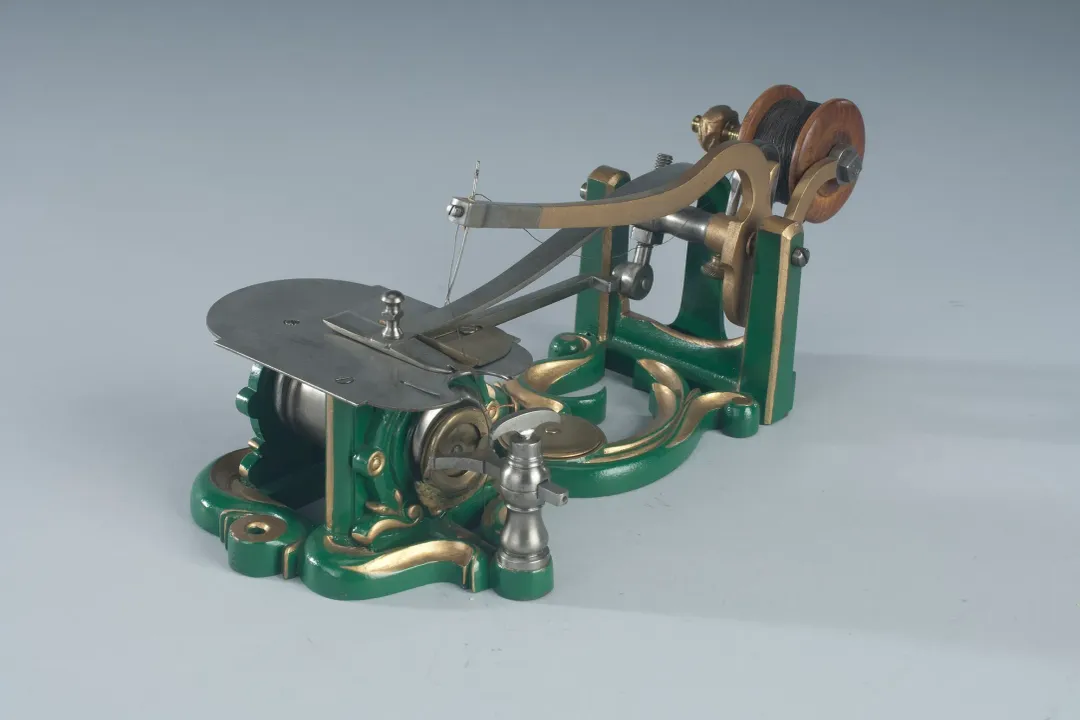
The earliest documented efforts toward automated sewing stretch back to the late 18th century. An English inventor named Thomas Saint, for instance, patented a design in 1790 intended for sewing leather. [6][9] While Saint’s design utilized a form of stitching, its specific mechanics—likely a chain stitch—were fundamentally different from the durable stitch that would eventually dominate textile manufacturing. [1][7] The concept remained largely theoretical or extremely limited in application.
The first machine to actually gain some traction, though still rudimentary, appeared in France in the 1830s, credited to Barthélemy Thimonnier. [6] His machine, patented around 1830, used a mechanism similar to a tambour embroidery machine, creating a chain stitch. [7] Thimonnier actually secured contracts to produce uniforms for the French army, suggesting a brief period of industrial acceptance. [6] However, this success was short-lived and violent. Traditional seamstresses, fearing technological unemployment, reportedly destroyed his factory and machines, effectively halting the early French mechanical sewing development. [6] This incident highlights an early roadblock: public and industry acceptance was as crucial as the engineering itself. [1]
# Howe's Breakthrough
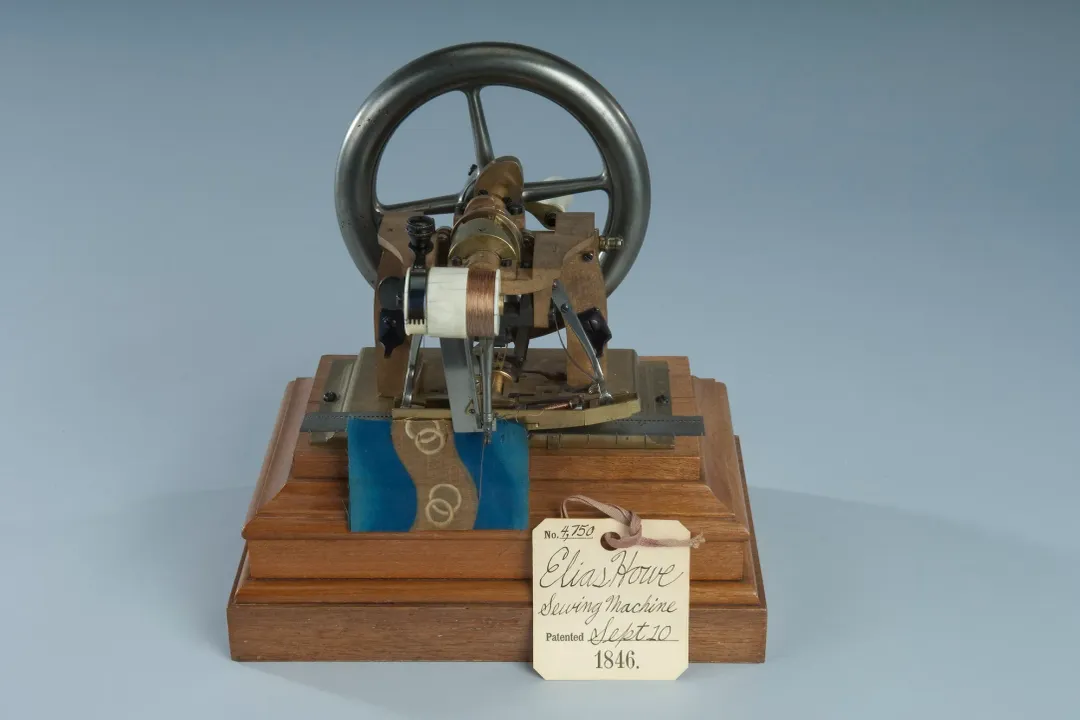
The true mechanical leap that laid the foundation for the modern domestic machine came from Elias Howe Jr. in the United States. [5][8] Howe is credited with inventing the first truly practical sewing machine using the lockstitch mechanism. [3][5] He received his patent in 1846 for a machine that dramatically improved upon earlier attempts. [3][5][8]
What made Howe’s machine so superior was the combination of two elements working in tandem: a needle with the eye near the point and a shuttle positioned beneath the cloth that carried a second thread. [3][8] The needle plunged down, carrying the upper thread through the fabric; as it began to rise, the point created a loop, which the shuttle then caught to interlock the two threads securely. [3] This lockstitch created a stitch that was far stronger and less likely to pull out than the chain stitches used previously. [1][5] While Howe’s patent model, now housed at the Smithsonian, demonstrates this ingenious mechanism, his early machine was still operated by a hand crank, limiting its speed and ease of use. [3][5]

# Singer's Commercialization

While Howe secured the patent for the critical lockstitch idea, Isaac Merritt Singer is often the name most associated with the machine’s eventual domination of the market. [1][9] Singer entered the scene later, securing his patent in 1851. [9] Importantly, Singer did not invent the lockstitch itself; he built upon the existing foundation, primarily focusing on making the machine faster, more reliable, and accessible to the average household. [1][6]
Singer’s key improvements centered on user experience and efficiency. He introduced the treadle mechanism, allowing the operator to use foot power rather than having one hand constantly turning a crank. [1][6] This innovation freed both hands to guide the fabric, significantly increasing speed and control. [9] He also perfected the vertical movement of the needle bar and introduced a raised arm that allowed operators to see the stitching area better. [1][6] Furthermore, Singer pioneered concepts that revolutionized manufacturing and sales: interchangeability of parts, standardized sizing, and installment plans for purchase. [1][9] He understood that selling a machine was only half the battle; making it easy to learn and affordable was the other half. [1]
The distinct contributions of these major figures can be summarized by looking at the primary function they perfected:
| Inventor/Pioneer | Primary Contribution | Stitch Type | Significance |
|---|---|---|---|
| Thomas Saint (1790) | Conceptualized automated sewing | Chain Stitch (implied) | Early patent, limited practical outcome [6][7] |
| Barthélemy Thimonnier (1830) | First machine used for production | Chain Stitch | Led to early industrial use, but faced violent backlash [6][7] |
| Elias Howe Jr. (1846) | The Lockstitch mechanism | Lockstitch | Created a durable, reliable seam, the basis of modern machines [3][5] |
| Isaac Singer (1851) | User operation improvements | Lockstitch | Introduced the treadle, mass production, and installment sales [1][6] |
# The Infamous Patent Wars
The period following the 1850s was marked by intense legal battles, often referred to as the "Sewing Machine War". [4] Since Howe held the fundamental patent for the lockstitch mechanism until 1867, manufacturers like Singer, Grover & Baker, and Weed had to license his design or face lawsuits. [4][9]
Singer, Grover & Baker, and others initially formed a patent pool to share royalties, but this arrangement eventually fractured, leading to litigation where Singer directly challenged Howe’s claims. [4] The dispute revolved around whether Singer’s specific improvements constituted an infringement on Howe’s original mechanical concept. [4] Eventually, the courts upheld the validity of Howe’s primary patent. [4] Singer, recognizing the strength of Howe's foundational work, settled and began paying royalties to Howe, securing his own ability to continue manufacturing and innovating within the framework Howe had established. [4][9] This complex legal environment underscores that improvement isn't just engineering; it involves securing the legal right to implement that improvement commercially. [5]
# Refining the Experience
The "improvement" of the sewing machine did not cease with the lockstitch or the treadle; rather, these foundational advancements opened the door for continuous refinement that directly impacted the textile industry and home life. [1][7]
One significant, yet often overlooked, improvement was the development of standardized needles and thread tensions. [7] Once the basic mechanics were locked down, inventors focused on optimizing the interaction between the cloth, the needle, and the thread to handle different fabrics seamlessly. [7] For example, a machine designed primarily for heavy canvas or leather (like Thimonnier’s or even some of Saint's conceptual uses) required much different dynamics than one intended for fine muslin. [7]
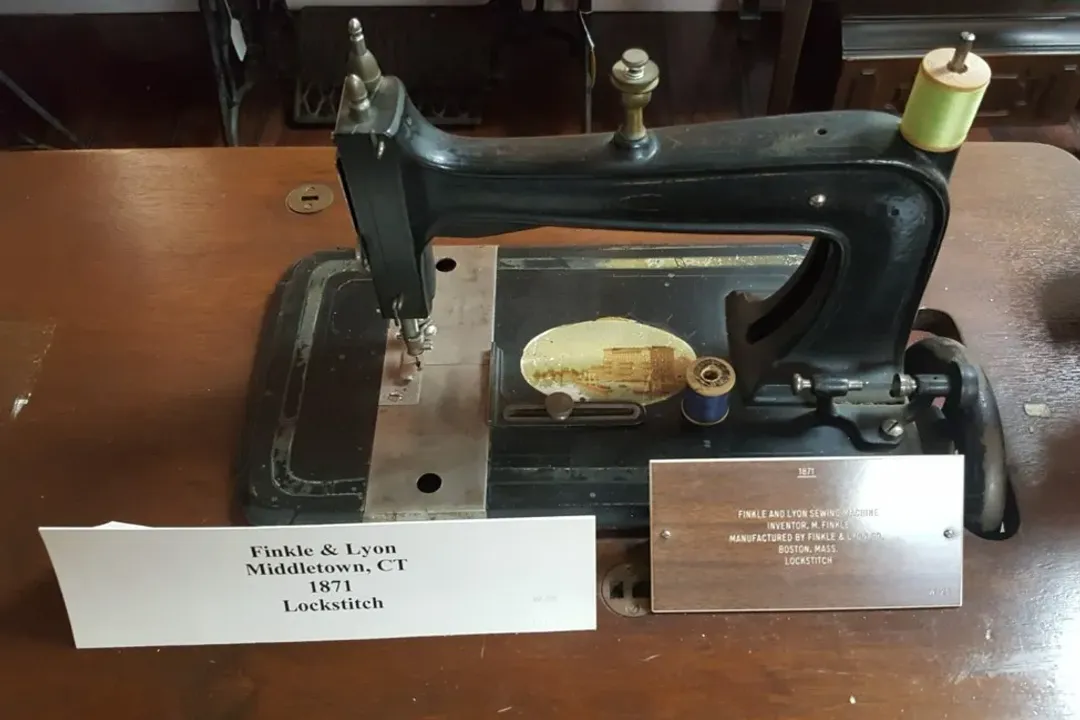
It is fascinating to consider that the very durability of the lockstitch, thanks to Howe’s vision, made the mass production of ready-to-wear clothing viable for the first time. [1] Before this, most garments were mended or repaired using the lockstitch, or newly made garments were tailored on a bespoke basis. [1] The ease with which an entire seam could be constructed quickly and permanently allowed manufacturers to create standardized sizes efficiently, fundamentally altering the economics of apparel. [1] This technological shift, driven by a single, improved stitch design, profoundly changed social structures by making durable, affordable clothing accessible to the working classes. [1]
Further refinements came as technology progressed:
- Speed and Power: The transition from hand-crank to foot treadle, and eventually to the electric motor, was a steady march toward reducing operator fatigue and maximizing stitch output. [6][9]
- Stitch Variety: Later designs moved beyond the simple straight lockstitch to include zig-zag, buttonhole, and embroidery stitches, transforming the machine from a purely utilitarian tool into a craft instrument. [7]
- Automation: Modern computerized machines represent the next major evolution, where digital programming controls stitch selection, tension, and even fabric feeding, moving far past the mechanical constraints faced by Singer and Howe. [7]
In short, the person who "improved" the sewing machine depends entirely on which bottleneck you are trying to solve. If the issue was unraveling seams, the answer is Elias Howe. If the issue was practical, home-based usability and market penetration, the answer points strongly toward Isaac Singer. The long-term success, however, belongs to the collective of inventors who built upon those initial breakthroughs, demonstrating that innovation is rarely a solitary achievement but a collaborative, competitive evolution. [7]
Related Questions
#Citations
Sewing Revolution: The Machine That Changed America
Elias Howe's Sewing Machine - Cambridge Historical Society
1846 - Elias Howe Jr.'s Sewing Machine Patent Model
Sewing Machine Drama in the Old Days! Singer vs Howe!
Sewing Together Patent Protection - National Inventors Hall of Fame®
The Evolution of the Modern Sewing Machine
The Many, Many Designs of the Sewing Machine
Elias Howe - ASME
The Complete History of a Sewing Machine | GoldStar Tool | Blog